


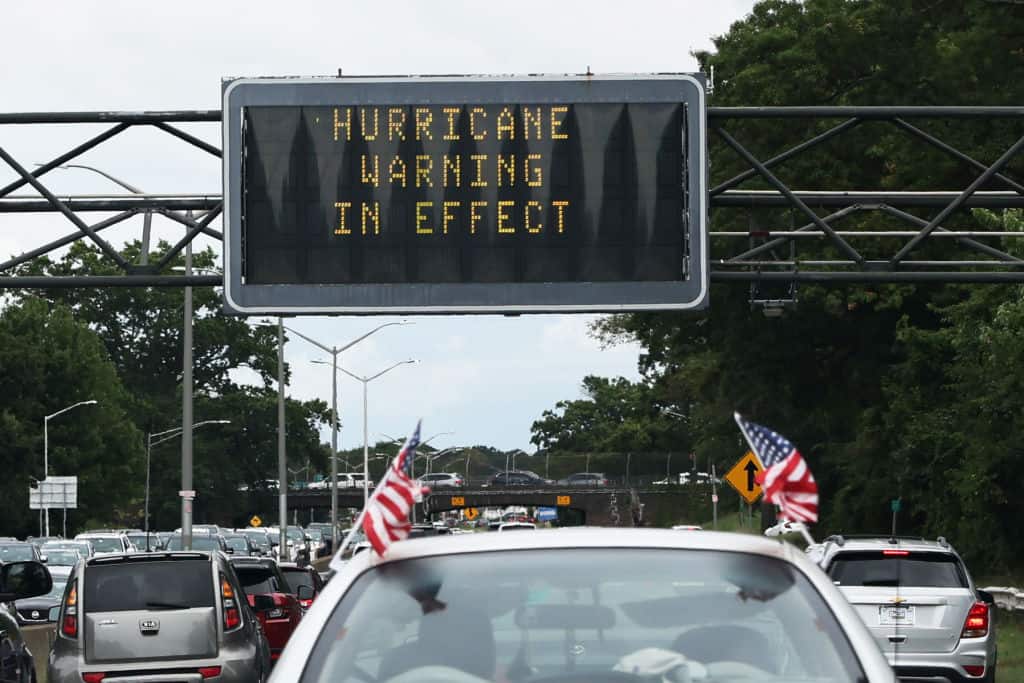
Some of the most expensive natural disasters have occurred in the last few years. Several factors contribute to this recent rise in destruction. Populations grow and expand into more dangerous areas, infrastructure, and buildings become more expensive to build and repair, and global warming has increased the frequency and severity of natural disasters.
For this list, we gathered data collected by the National Centers for Environmental Information of the National Oceanic and Atmospheric Administration. This list is ranked by economic cost (in no particular order) and includes the most expensive natural disasters that caused over $1 billion in damage.
This post was updated on September 8, 2025 to clarify deadliest vs. costliest (death toll versus economic cost).
Why Are We Talking About This?
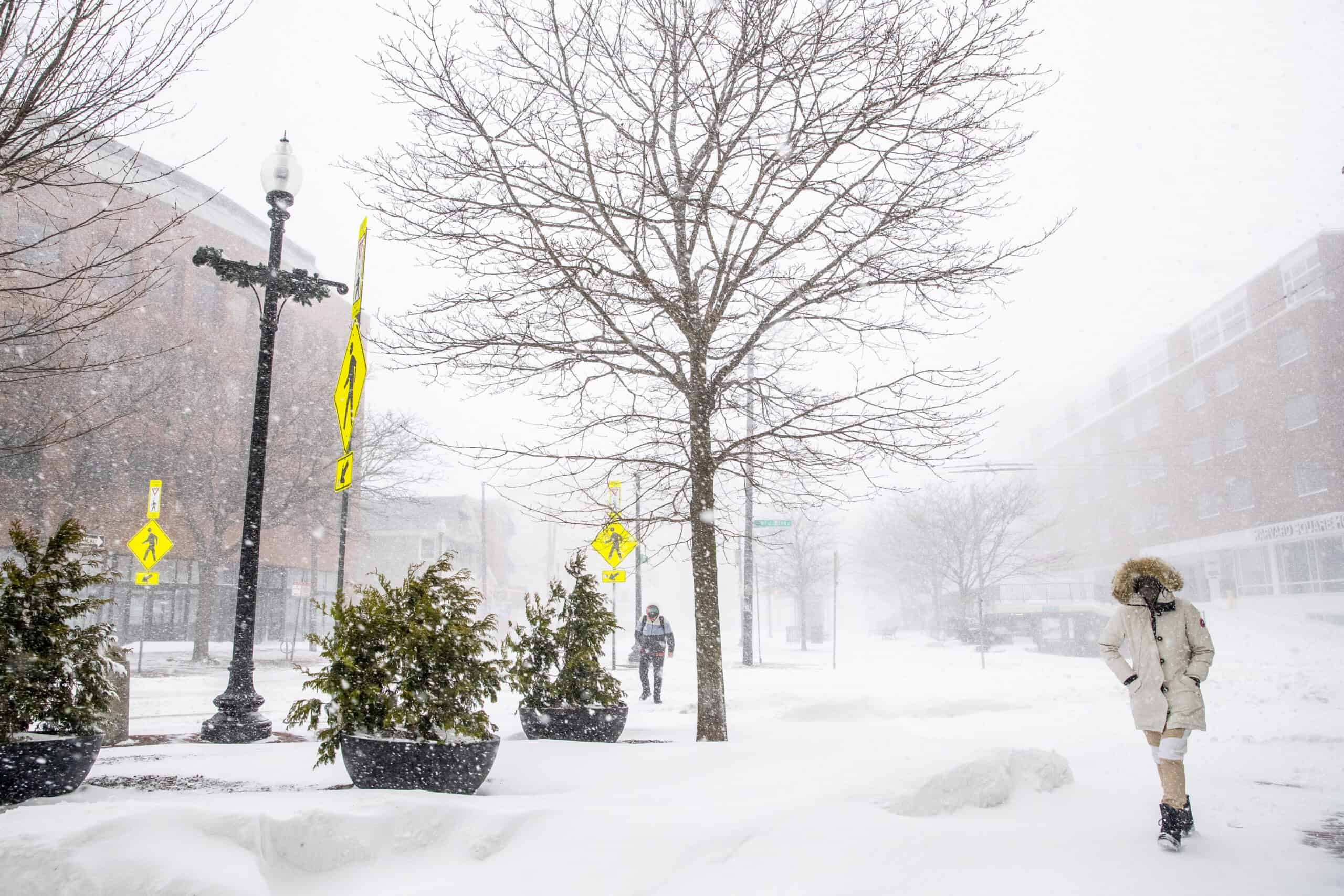
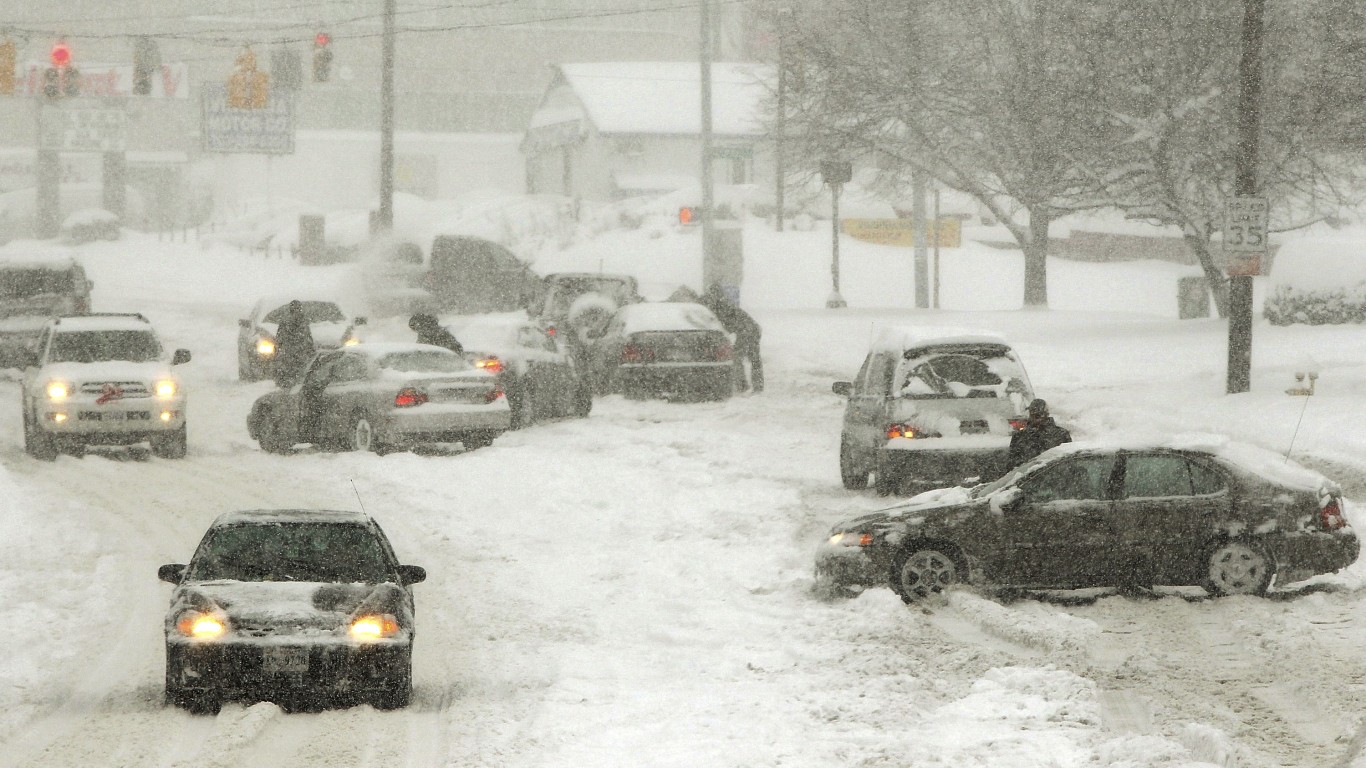
A view of a blizzard.
The only way to understand how bad the problem of global warming is becoming is to see all the data in one place. It’s easy to forget one disaster when another happens almost immediately after, so seeing the toll of human life in one list might help highlight this issue that all of us face.
18. 2022 Drought/Heat Wave
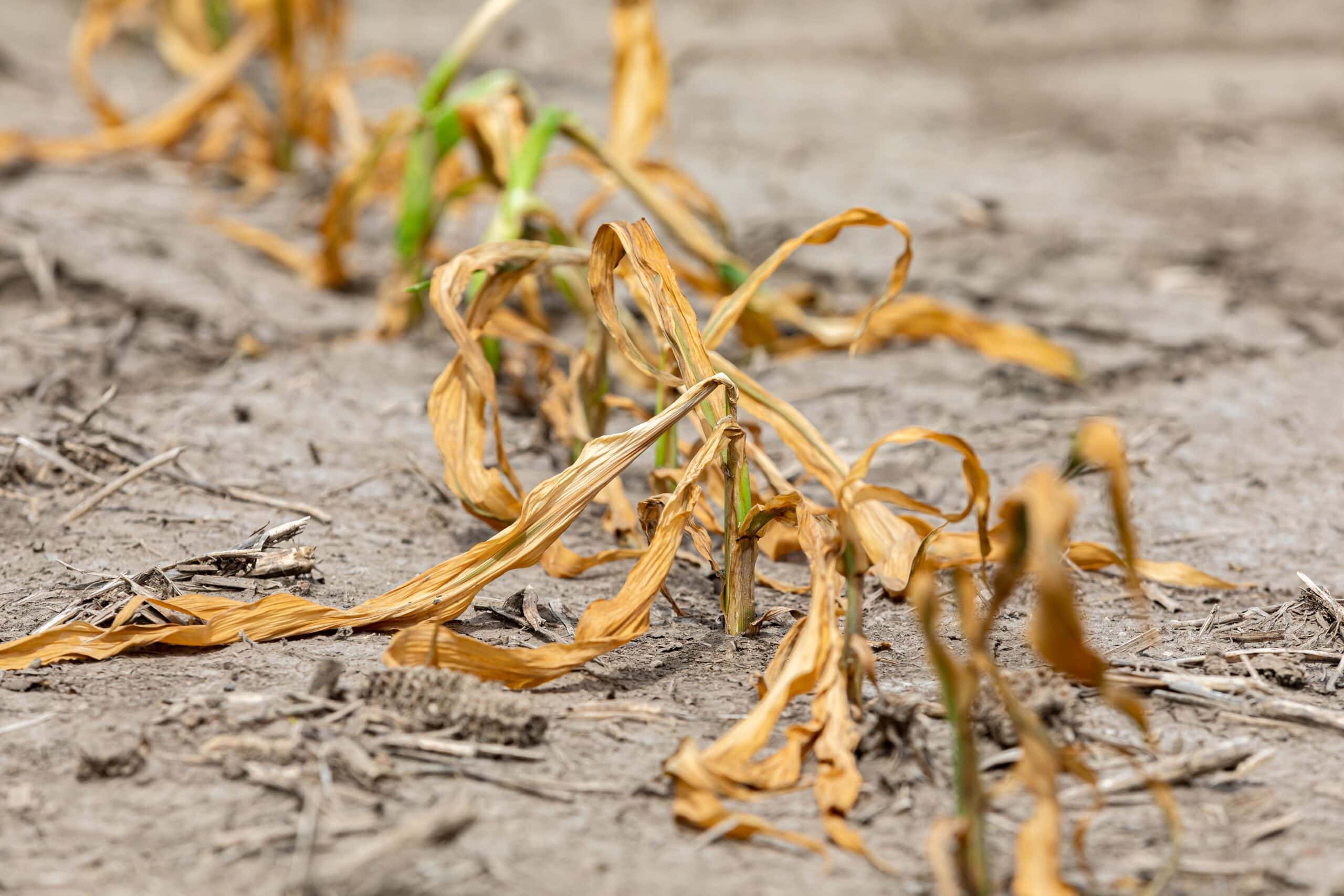
Corn dying in a drought.
- Cost: $23.5 billion
- Deaths: 136
- Date: 2022
This drought hit the Western and Central U.S. states the hardest, though other states felt the ripple effects of this heat wave. Many of the Western water reservoirs began to run low on water and were severely depleted before the drought even began. This led to strict water rationing and emergency measures. Lake Mead reached its lowest level since 1930. As some rivers dropped low, river commerce also dropped as some ships could no longer navigate the shallow waters. The 2022 drought remains one of the most expensive and damaging droughts in our history.
17. 2000 Drought/Heat Wave
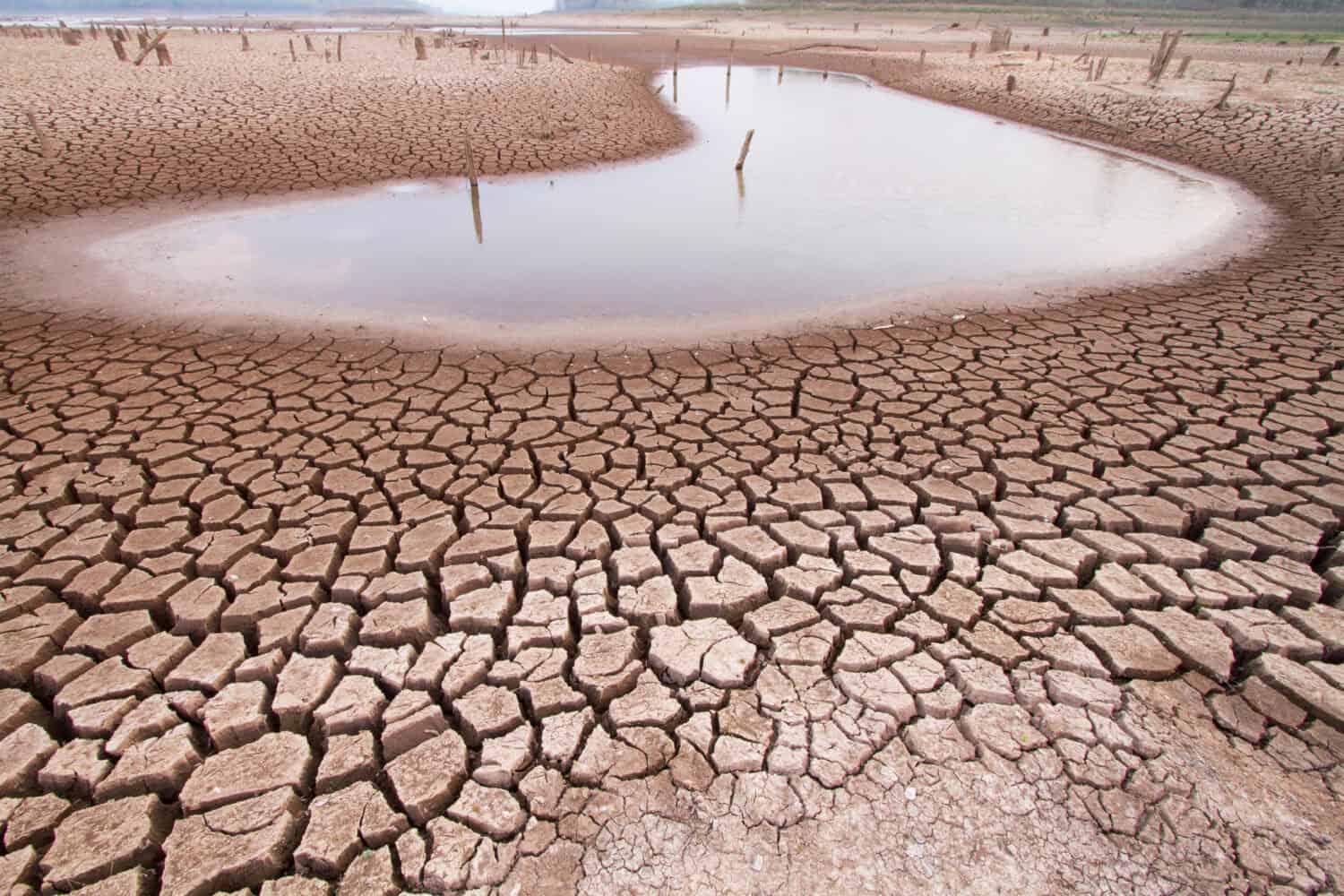
Water levels dropping during a drought.
- Cost: $9.3 billion
- Deaths: 140
- Date: 2000
This heat wave hit around 20 U.S. states, but its effects were felt throughout the whole country as water shortages impacted food production, livestock, existing water reservoirs, and much more. Electrical grids often fail during heat waves due to the excessive strain put on certain parts of the grid and as people use their air conditioning much more in order to survive.
16. 1983 Cold Wave
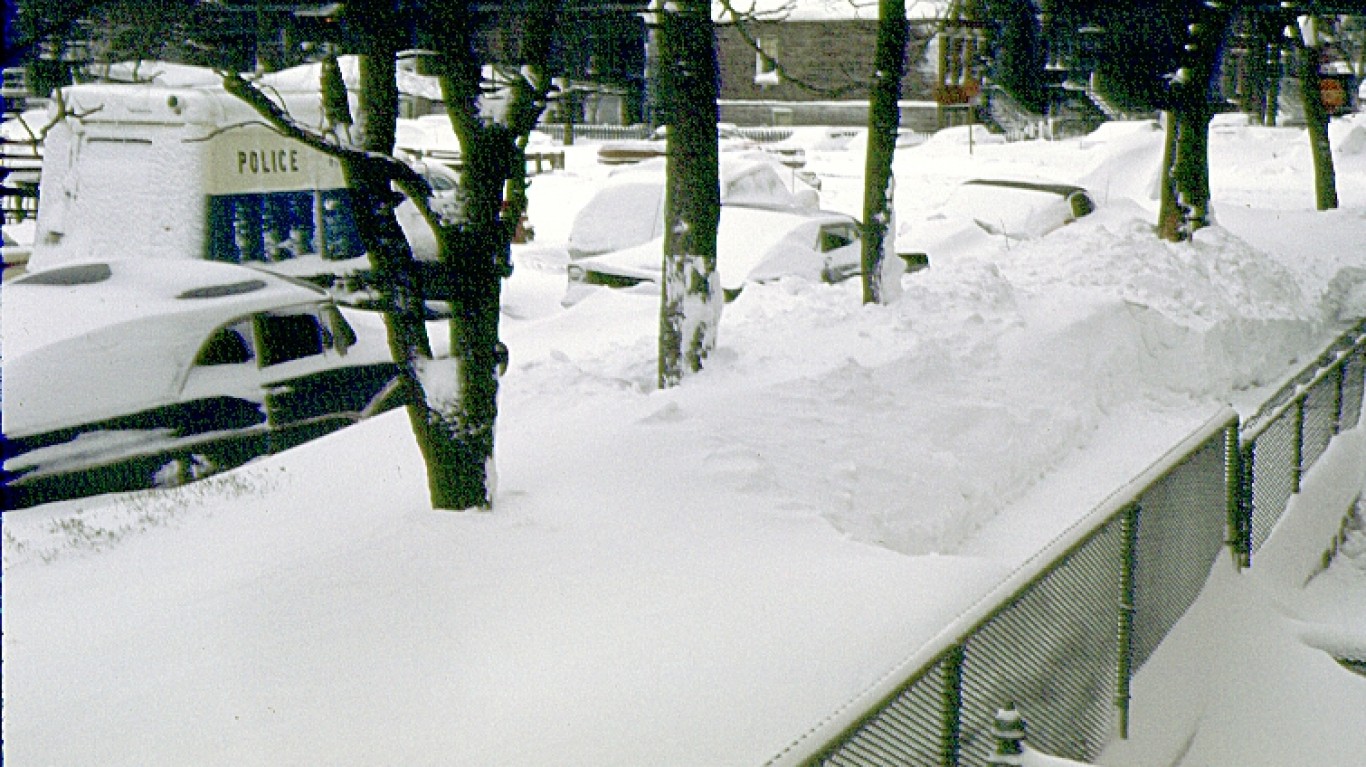
A photo of a blizzard in Chicago.
- Cost: $6.4 billion
- Deaths: 150
- Date: 1983
This cold wave hit Florida particularly hard, impacting and destroying much of the citrus crop that the state depends on. People called this the Great Freeze of 1983 and it was the worst winter event in the United States of the whole century. The entire country was impacted by the cold wave except for some of the Southwestern deserts.
15. Hurricane Ian
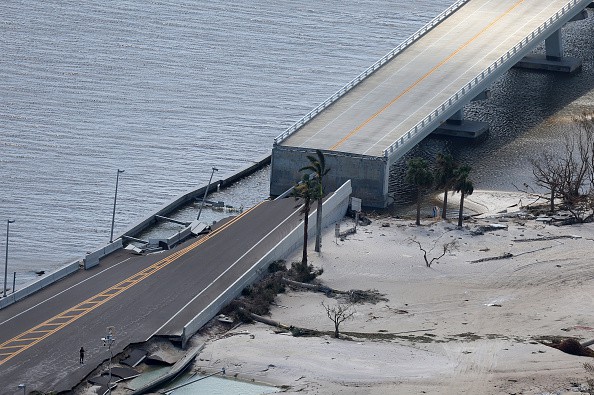
The damage of Hurricane Ian.
- Cost: $118.5 billion
- Deaths: 152
- Date: 2022
Hurricane Ian was a Category 4 storm that made landfall in Florida in September of 2022, hitting Cayo Costa. Some cities received more than 20 inches of rain and wind speeds exceeded 150 miles per hour.
14. Hurricane Sandy

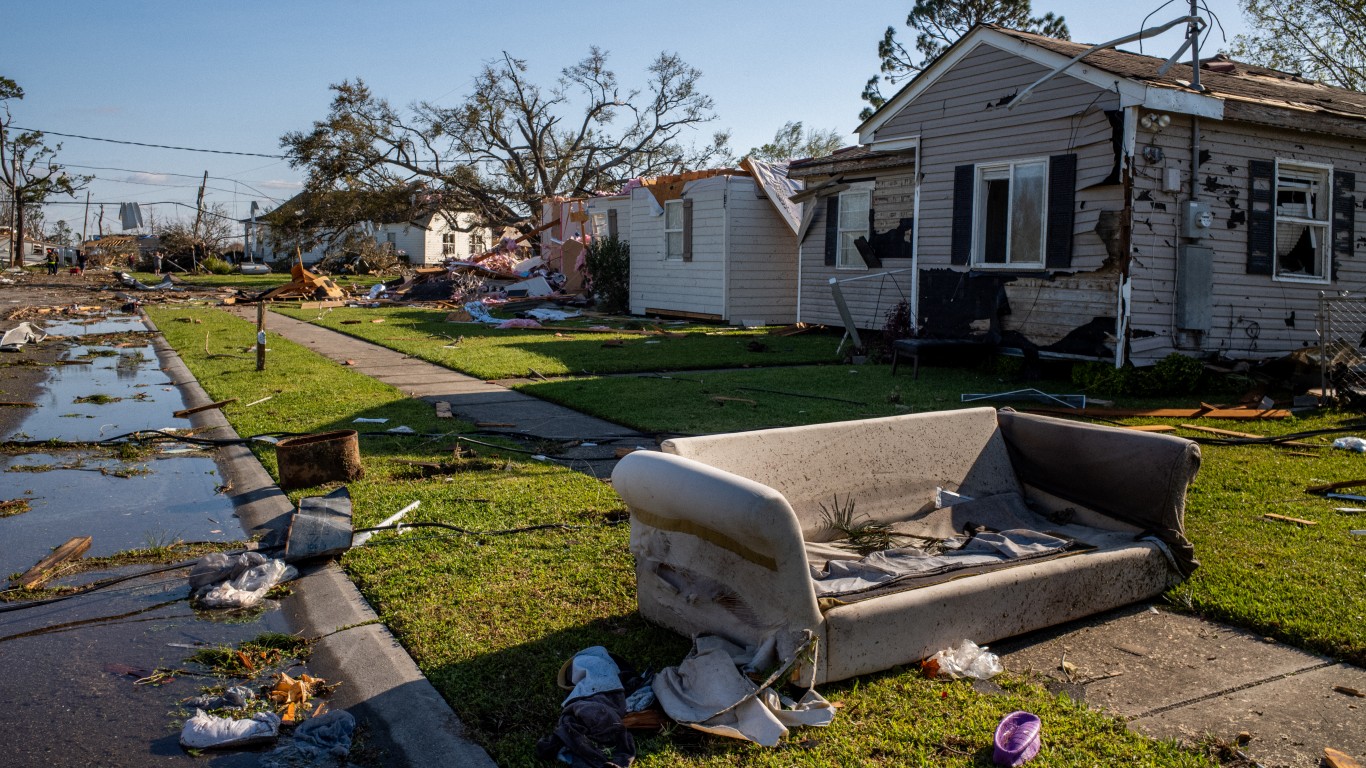
Homes after Hurricane Sandy.
- Cost: $88.5 billion
- Deaths: 159
- Date: 2012
Hurricane Sandy hit a number of U.S. states, with most of the wind damage in New York and New Jersey and rain and snow damage in states to the south. It destroyed electric and water services and closed the NYSE for two business days, which had not happened since 1888.
13. 2011 Joplin Tornado
- Cost: $12.6 billion
- Deaths: 158
- Date: 2011
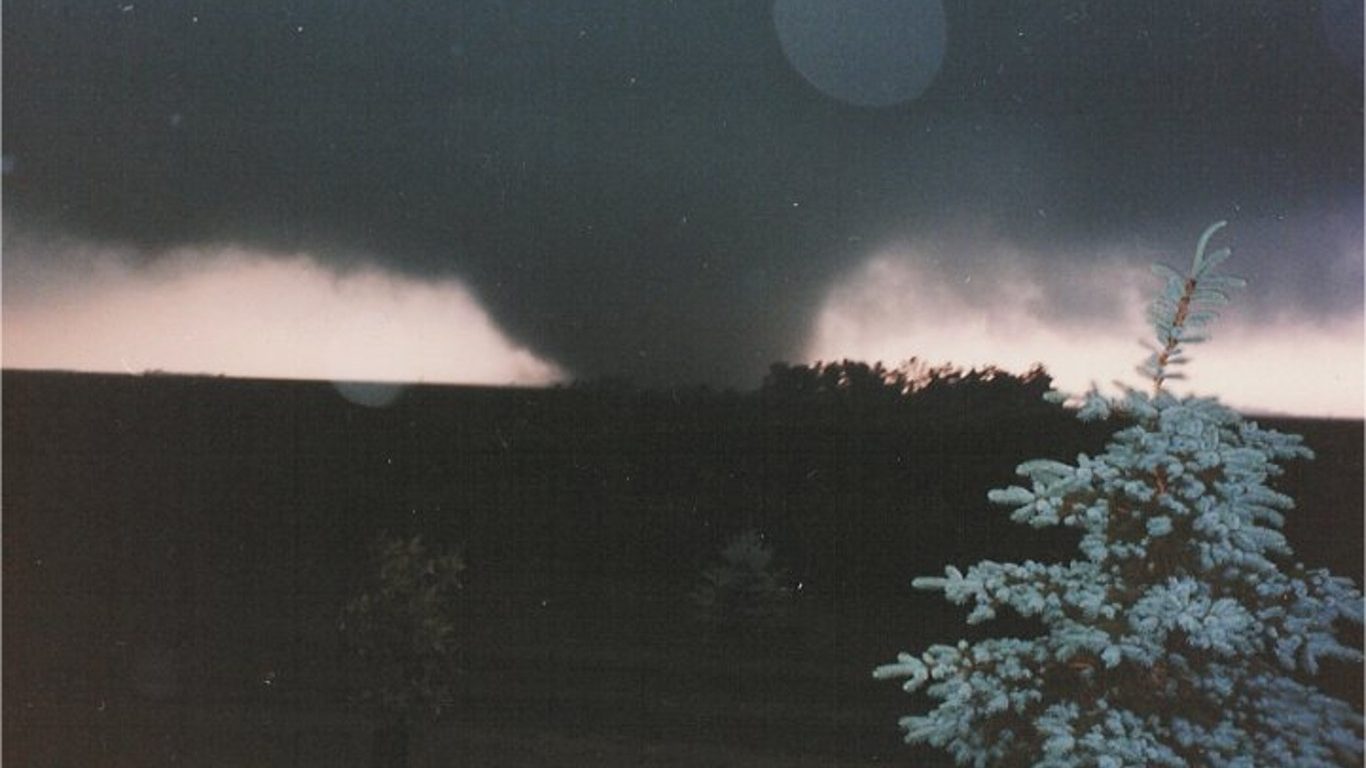
This massive outbreak of tornadoes in May of 2011 hit 15 states from Texas to Pennsylvania. Over 180 tornadoes spawned from this single storm. The largest and most deadly tornado was an EF-5 tornado that touched down near Joplin, Missouri, and killed over 150 people. It remains the deadliest tornado in modern U.S. history.
12. 1996 Blizzard
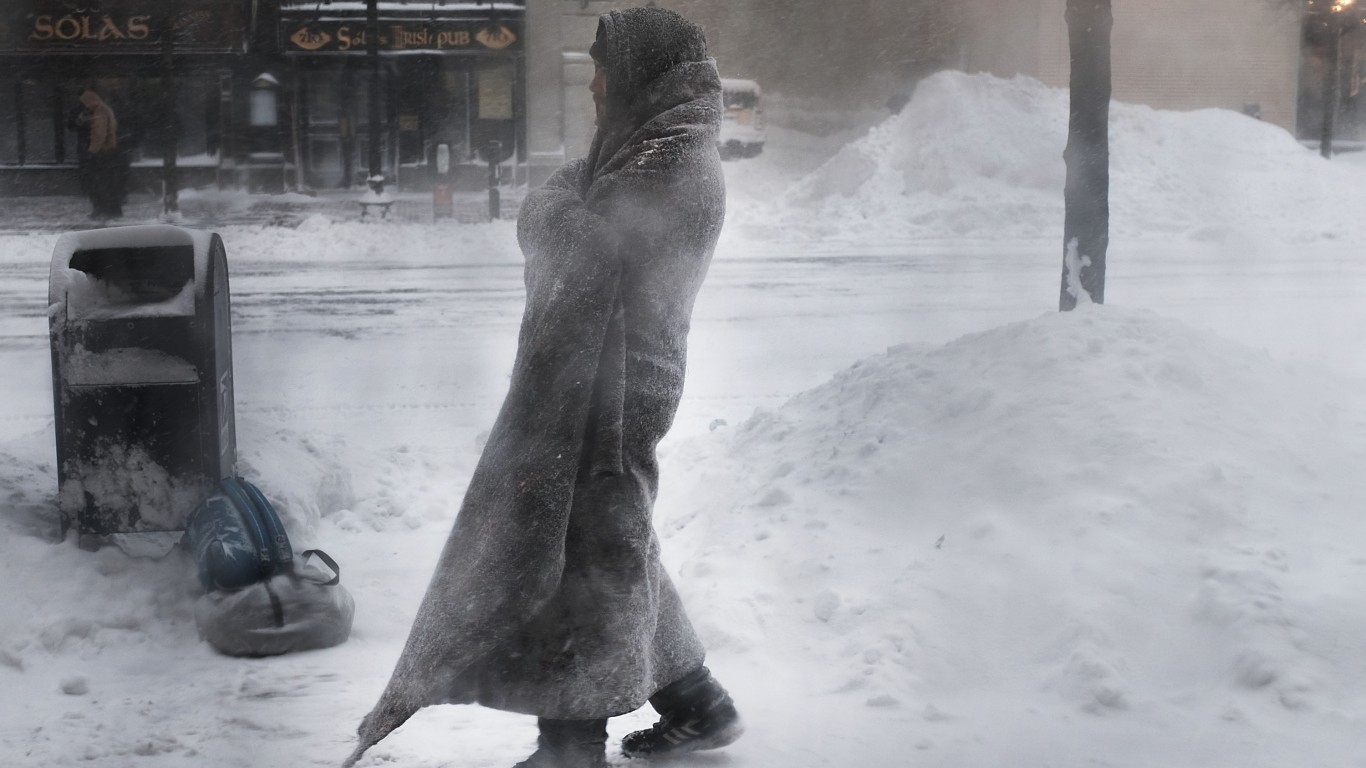
A homeless person during a blizzard.
- Cost: $6.1 billion
- Deaths: 187
- Date: 1996
This extremely powerful blizzard dropped between one and four feet of snow across the Midwest and East Coast. Severe and devastating flooding followed the blizzard after the snow melted, causing additional damage and deaths that are not included here.
11. 1998 Drought/Heat Wave
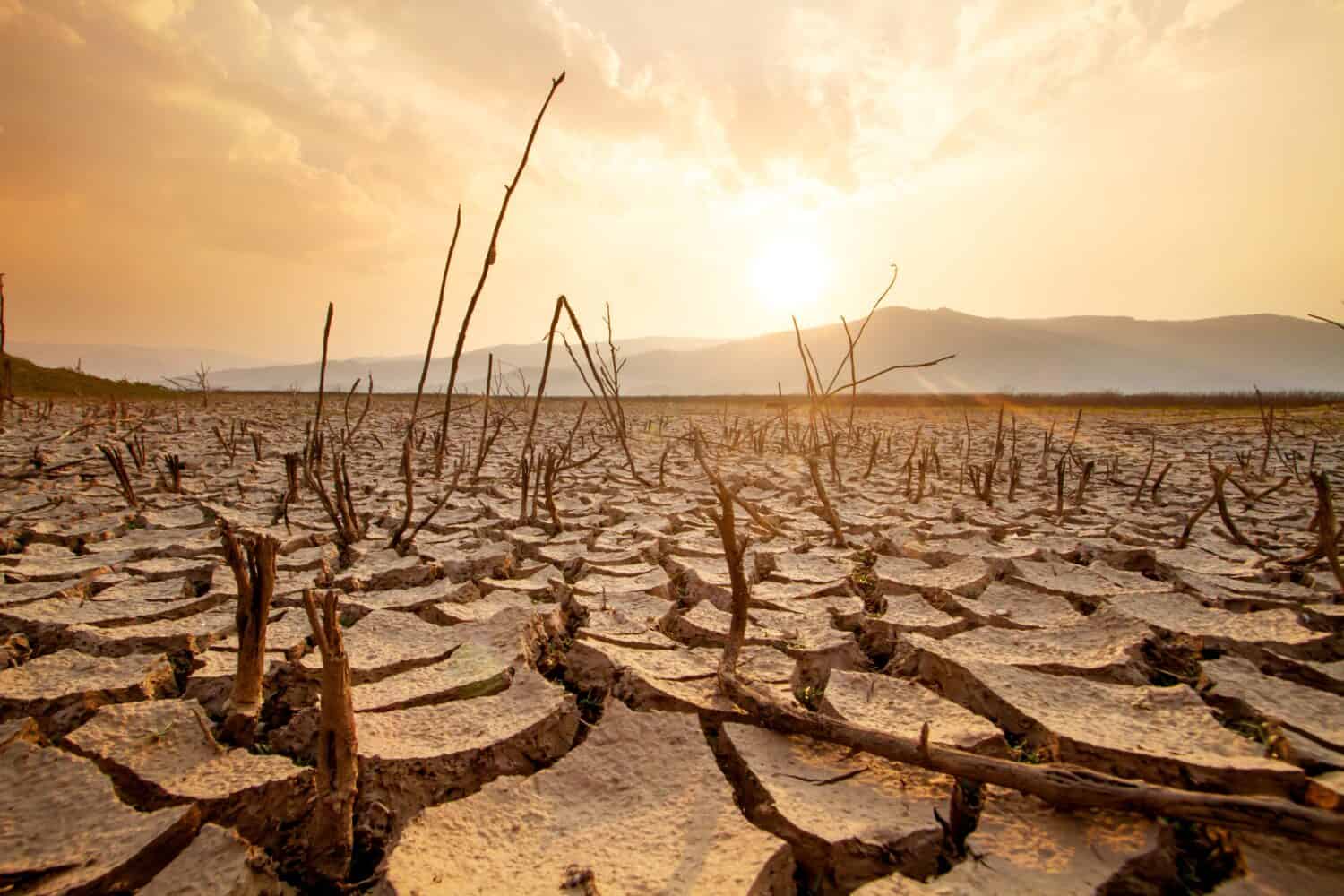
A photo of dead plants in a drought.
- Cost: $6.8 billion
- Deaths: 200
- Date: 1998
Over twelve U.S. states were impacted by this severe drought, including Texas, Virginia, Florida, Georgia, and more. While this list includes only the direct deaths caused by a natural disaster, it should be remembered that indirect deaths (which can surpass the number of direct deaths) resulting from issues caused by the drought are not included here.
10. 2021 Drought/Heat Wave
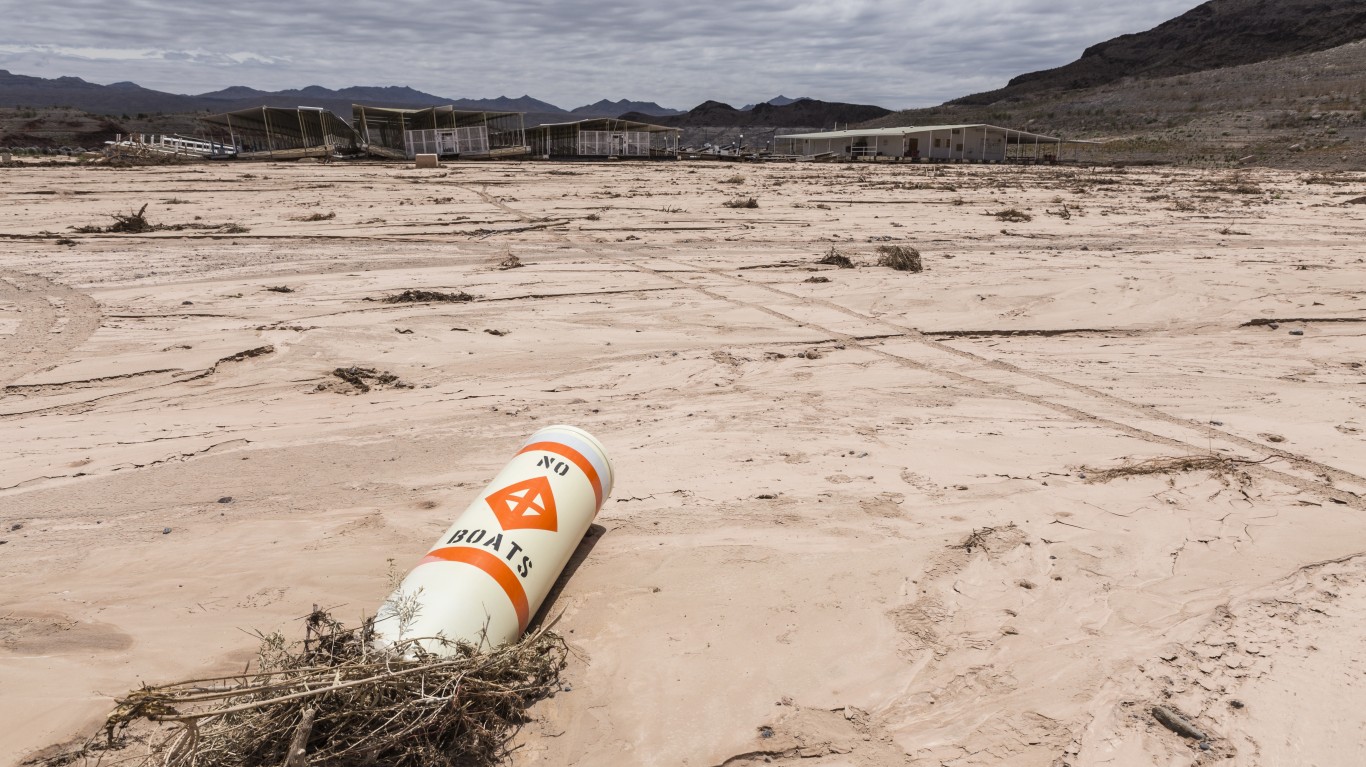
Lake levels dropping during a drought.
- Cost: $10.1 billion
- Deaths: 229
- Date: 2021
This heat wave blew past all previous temperature records for most states in the Pacific Northwest region. Oregon, Washington, and parts of Canada were the worst places affected, and Portland reached 116 degrees Fahrenheit. The low water levels caused the Lake Oroville hydroelectric plant in California to shut down for the first time since its opening.
9. 2023 Drought/Heat Wave
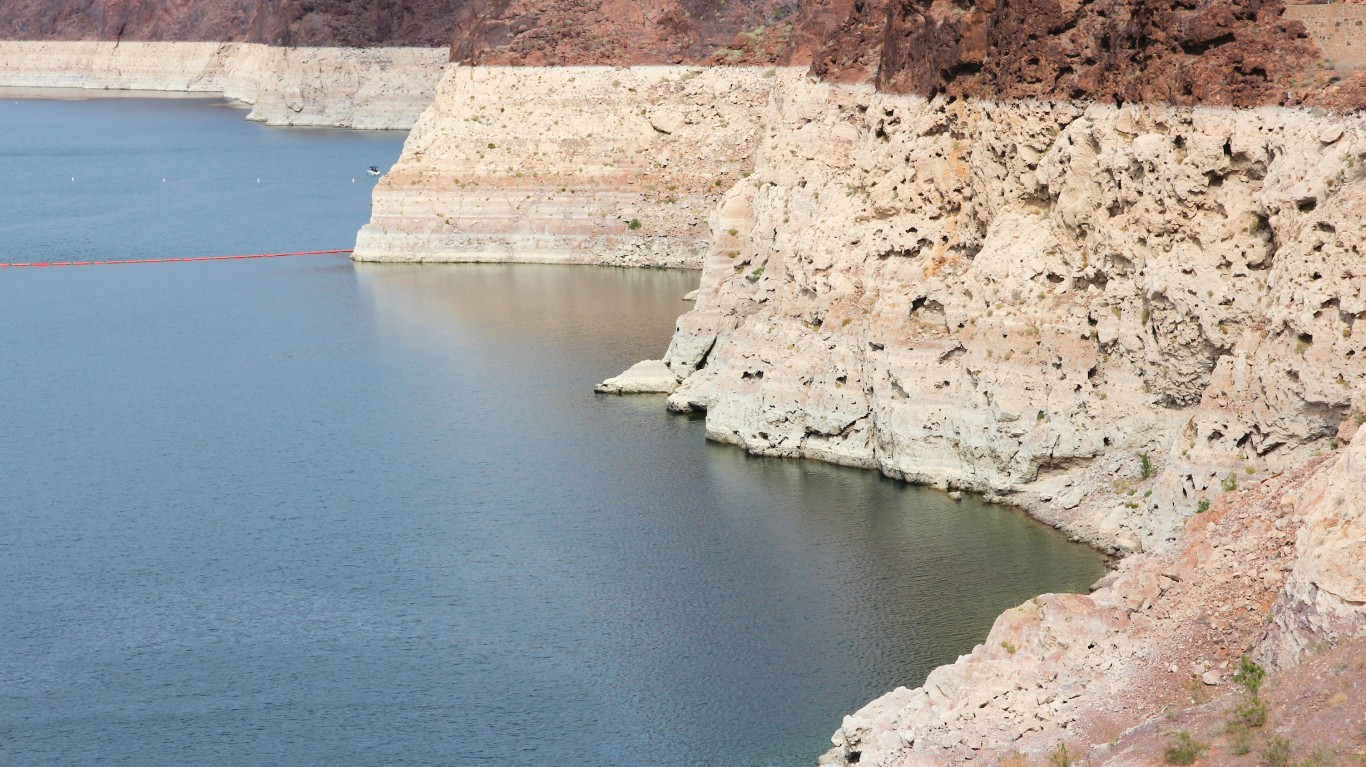
Lake Mead during a drought.
- Cost: 14.8 billion
- Deaths: 247
- Date: 2023
The thing about heat waves and cold waves is that there are secondary effects that many people don’t realize actually harm the environment and hurt people long after the wave has passed. For example, during this heat wave, ranchers and farmers had to sell livestock because animal feed became too expensive, leading to a chain effect of food shortages and failing farms. Also, because of low rainfall, the Mississippi River had low water levels, allowing salty seawater to flow up the river, impacting the water quality and poisoning the land around it, leading to additional water shortages and poor soil quality for years.
8. 2021 Cold Wave
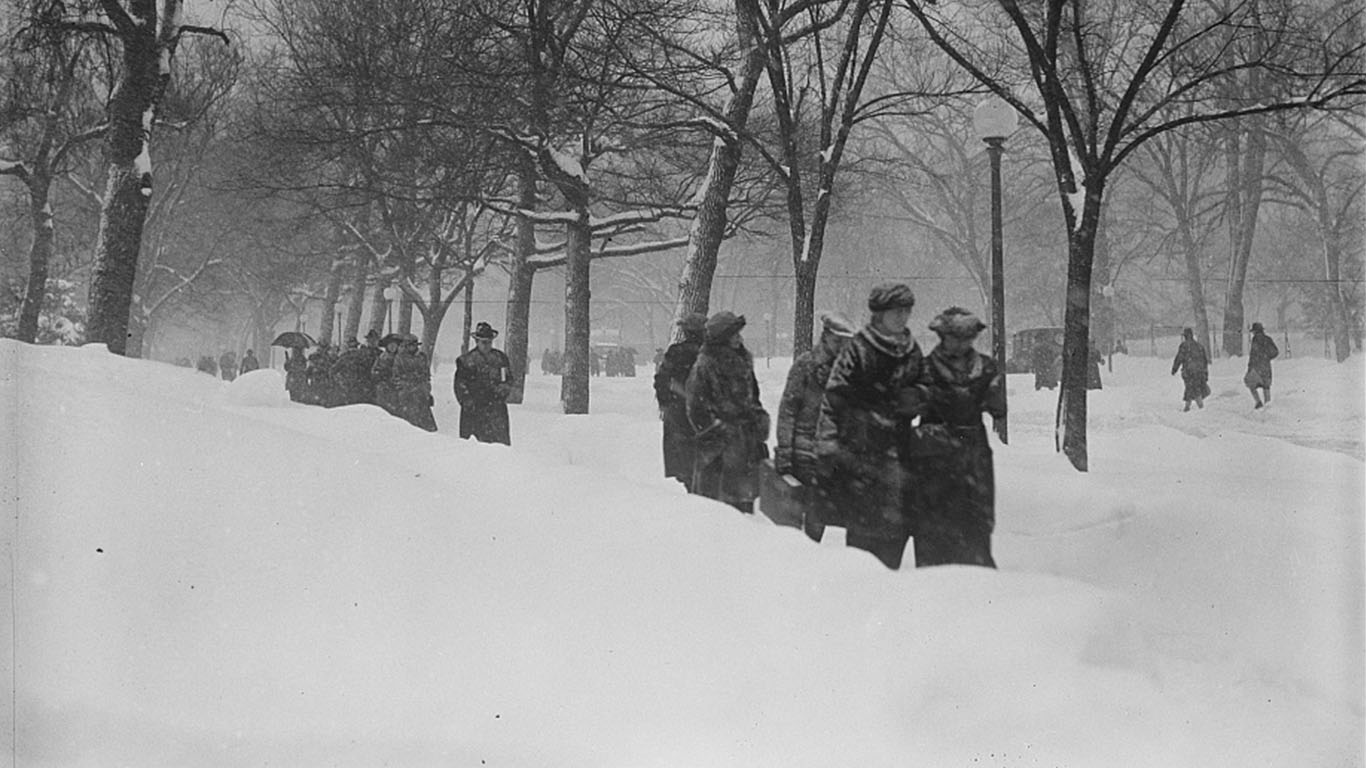
People in a blizzard during 1921.
- Cost: $27 billion
- Deaths: 262
- Date: 2021
This storm passed over the northwest, central, and eastern U.S. states. Temperatures plummeted to 40 degrees below normal winter temperatures, with the worst temperature drops between Nebraska and Texas. At one point during the storm, cold air caused power outages for more than 10 million people. Most of the deaths due to the cold wave were in Texas, where over 210 people died. It remains the most expensive winter storm in United States history.
7. 1993 East Coast Blizzard
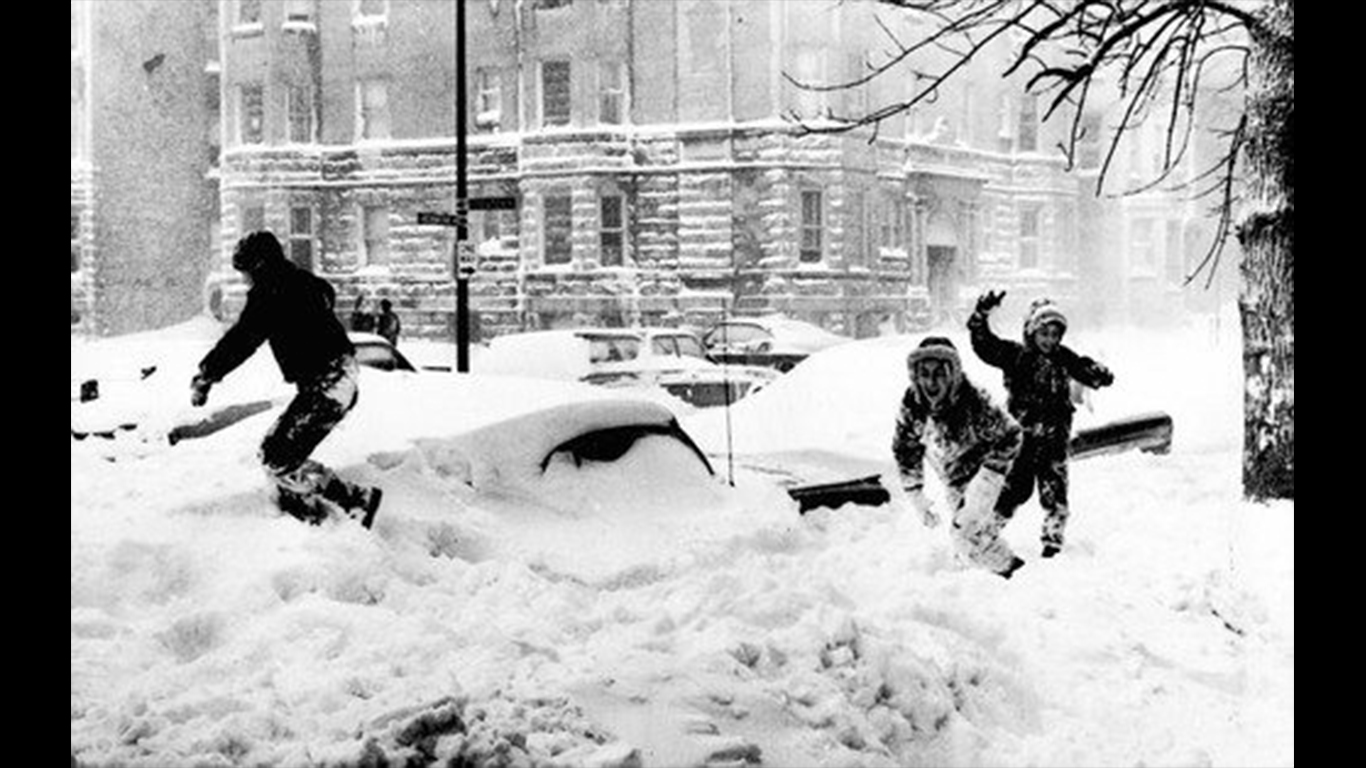
People in a blizzard.
- Cost: $12.1 billion
- Deaths: 270
- Date: 1993
This blizzard was called the “storm of the century” at the time and hit the East Coast from Florida all the way to Maine. Between two and four feet of snow fell on most of the states in its path and caused power outages that impacted more than 10 million homes. This blizzard also spawned tornadoes in Florida. It was the most destructive blizzard since 1980 but was surpassed by the 2021 winter storm.
6. Super Outbreak of 2011
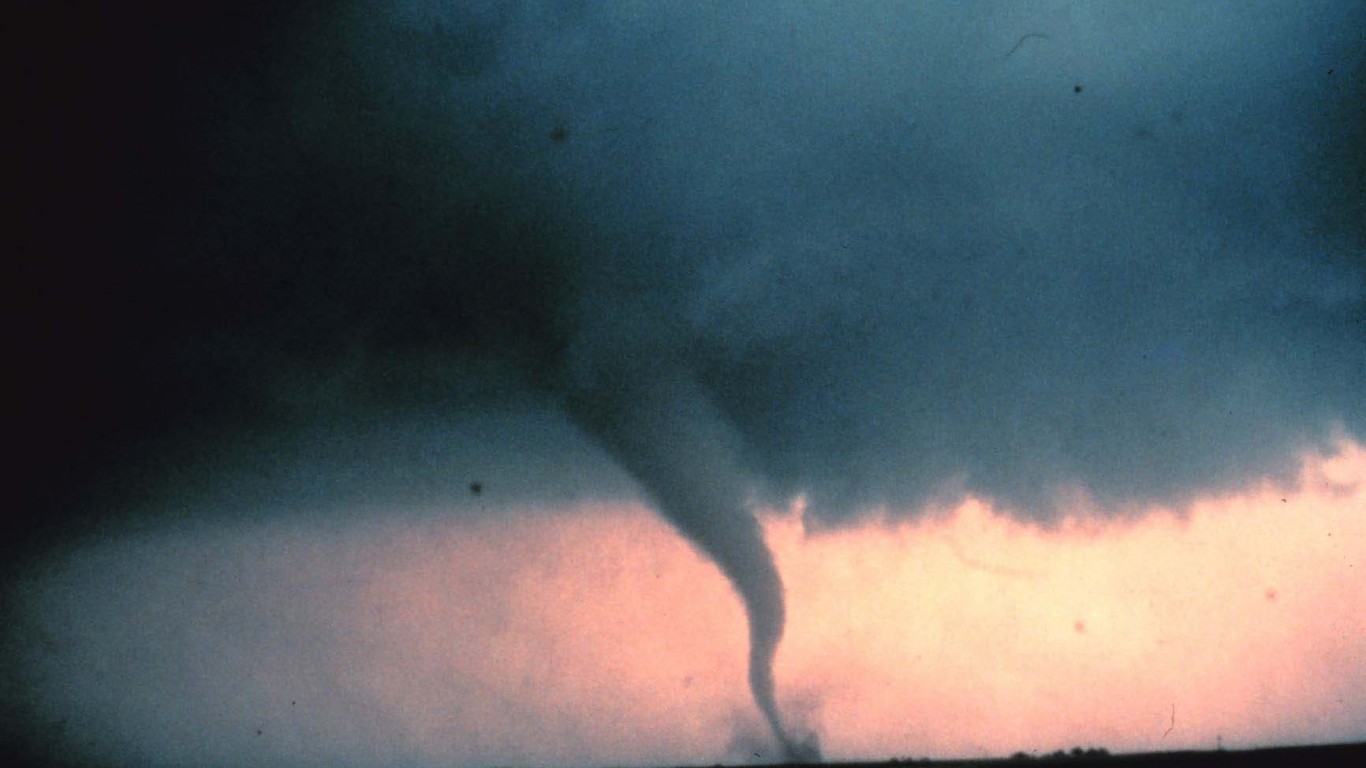
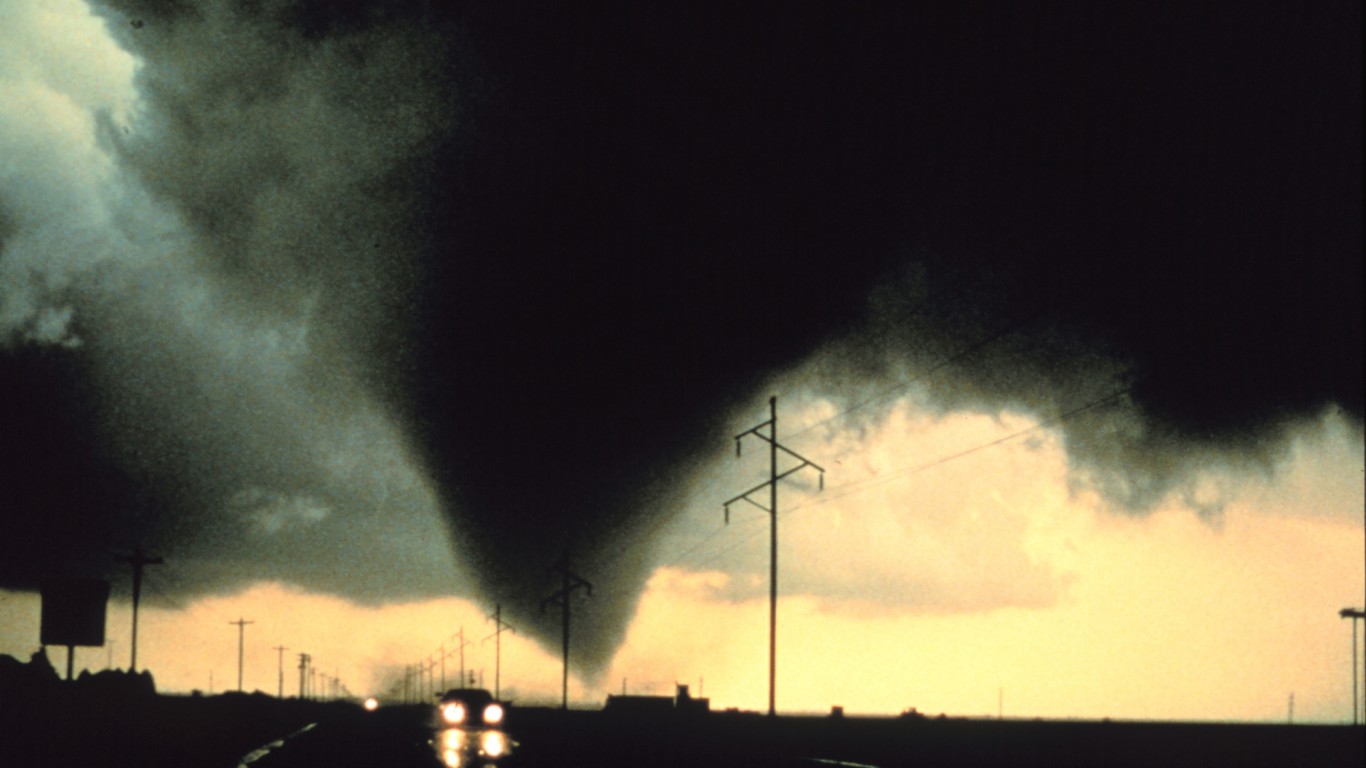
A photo of a tornado.
- Cost: $14.2 billion
- Deaths: 321
- Date: 2011
A sudden and violent outbreak of 343 tornadoes in April of 2011 hit thirteen U.S. states. Several EF-4/EF-5 tornadoes contributed to hundreds of deaths. Birmingham, Tuscaloosa, Chattanooga, and Huntsville were all severely impacted and suffered extensive damage.
5. 1988 Drought/Heat Wave

Kansas during a drought.
- Cost: $54.2 billion
- Deaths: 454
- Date: 1988
Like all droughts, this heat wave severely impacted crops and all water-dependent industries. Naturally, the poor who have limited access to water under normal circumstances are the ones who suffer the most. Deaths due to the indirect impact of the drought (increased sickness and food shortages) are estimated to exceed 1,000 people.
4. 1995 Drought/Heat Wave
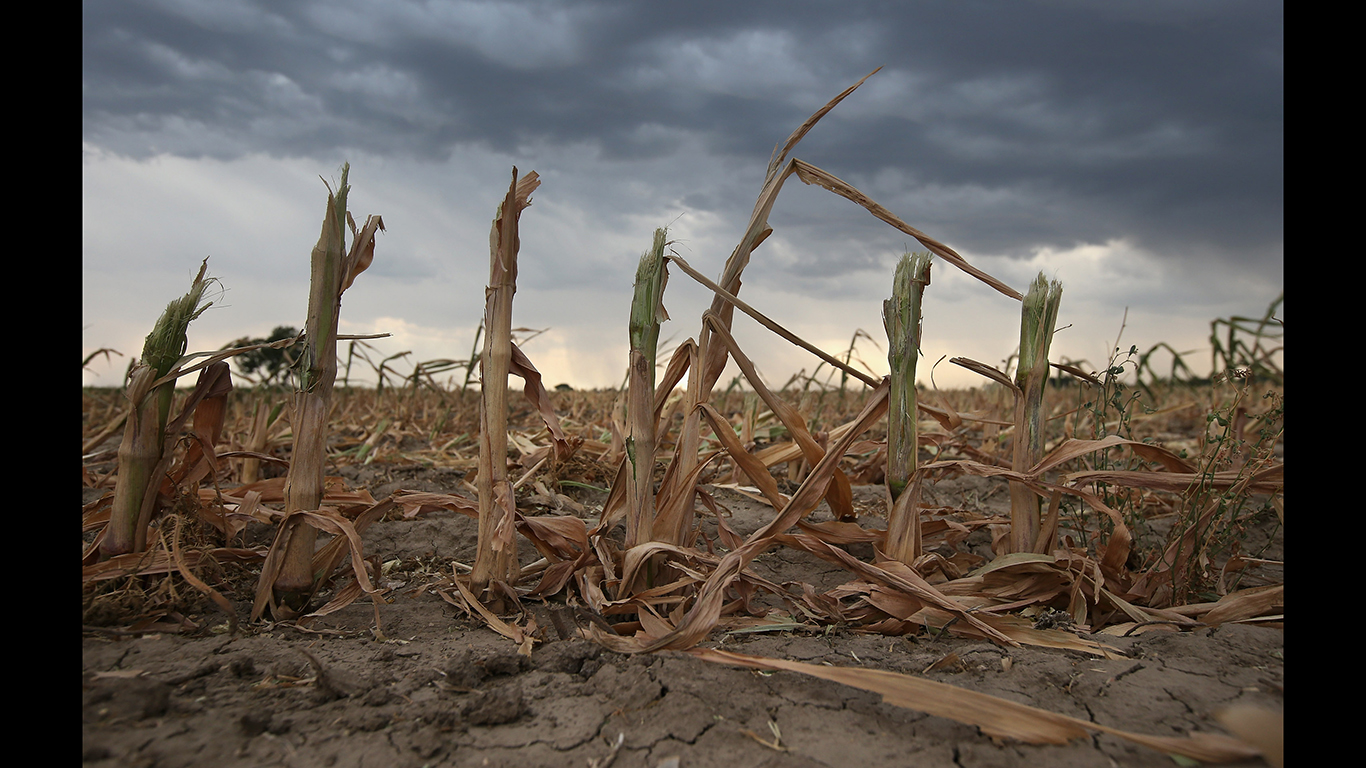
Crops during a drought.
- Cost: $2 billion
- Deaths: 739–1,000
- Date: 1995
Most of the people who died during this heat wave were in Chicago, Milwaukee, and Philadelphia. The heat wave caused crops to fail and those that survived to produce a lower yield, so when the heat wave ended, the hot, dry summer that followed it left the fields especially vulnerable to additional high temperatures and droughts.
3. 1980 Drought/Heat Wave
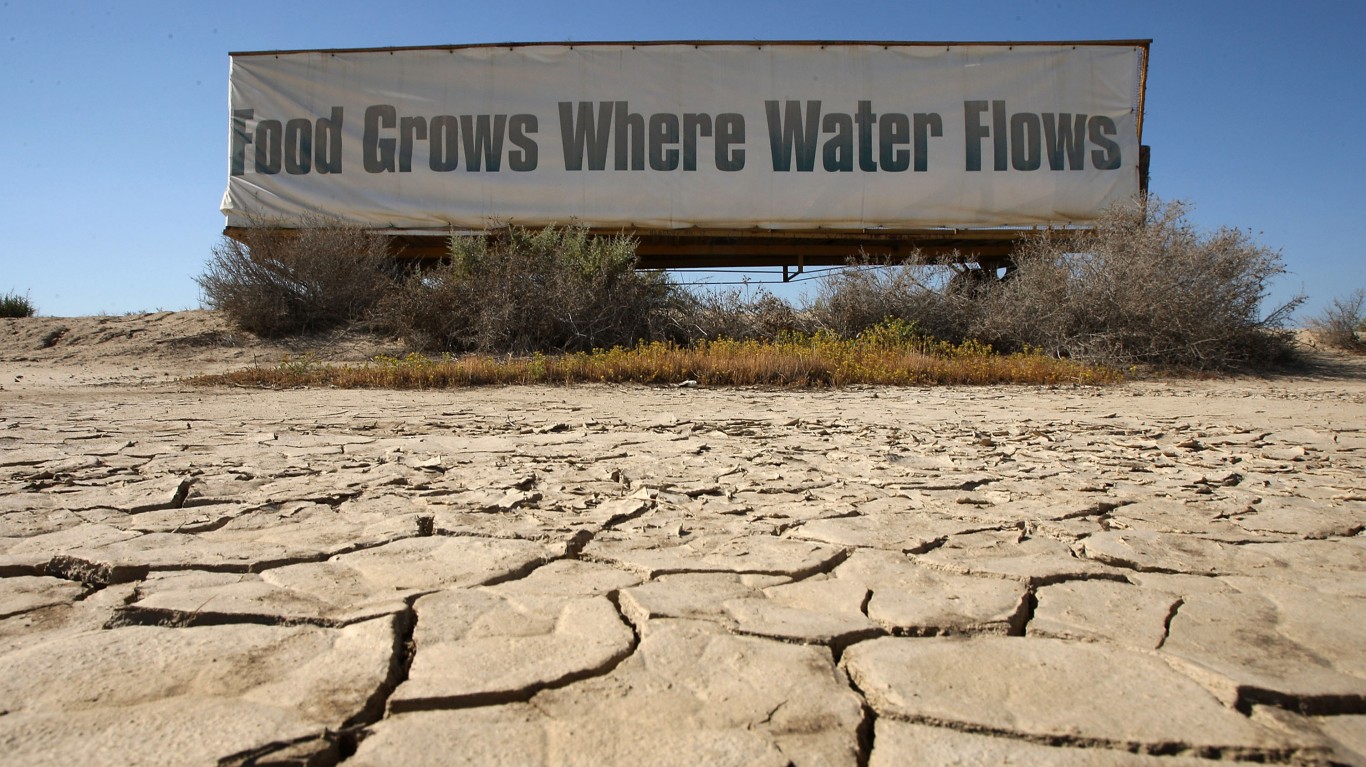
California during a drought.
- Cost: $40.4 billion
- Deaths: 1,260
- Date: 1980
One of the worst things about sustained droughts and heatwaves is that the impact of the disaster lasts far longer than the disaster itself. For this particular heat wave, even though the direct death toll was around 1,260, the impact of food shortages and health complications is estimated to exceed over 10,000 people.
2. Hurricane Katrina
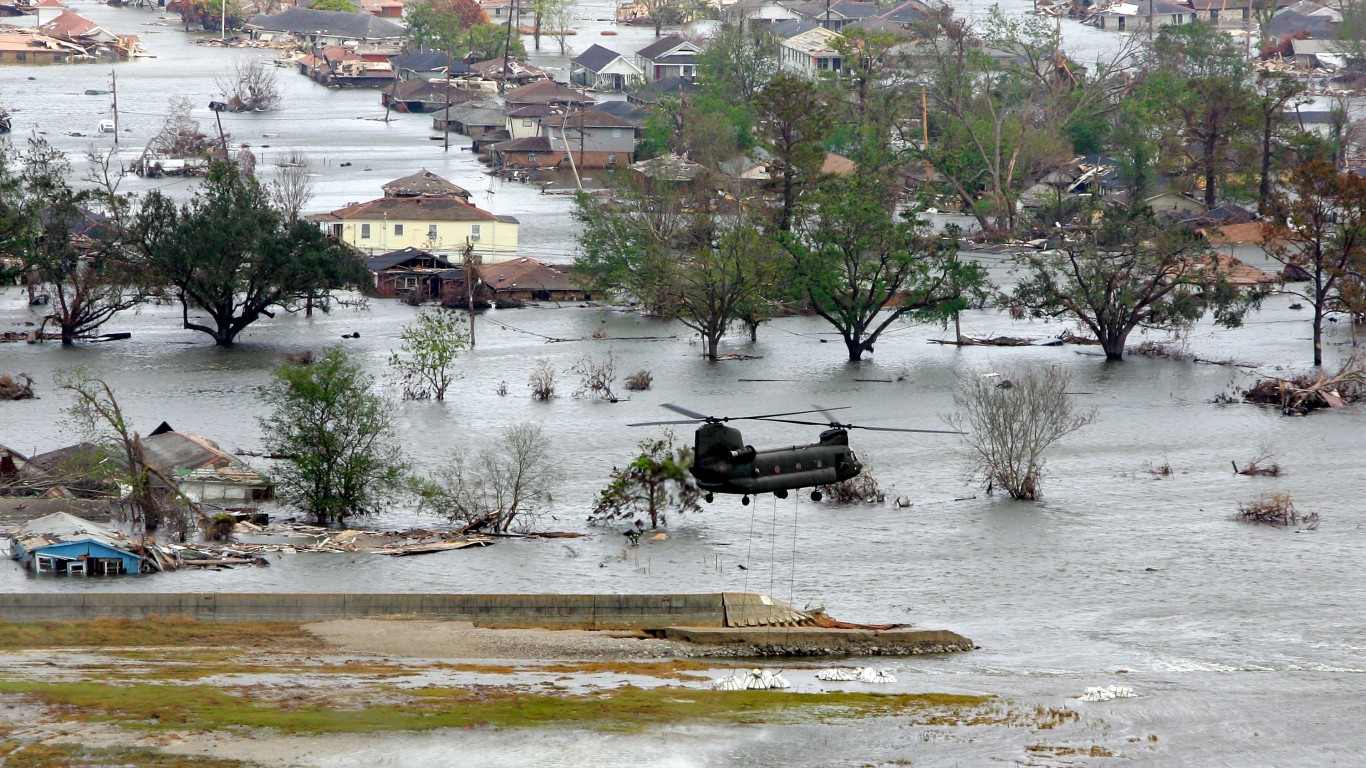
The destruction of Hurricane Katrina.
- Cost: $186 billion
- Deaths: 1,833
- Date: 2005
Of all the disasters on this list, this is probably the most recognizable. This category 3 hurricane hit Miami first before hitting the Louisiana coast, hitting the area near New Orleans particularly hard. The worst impact of the storm, however, was severe damage to the levee system near New Orleans, causing it to fail and flooding the city and many parts in neighboring states. The slow response and incompetent management of the crisis continue to impact the area today.
1. Hurricane Maria
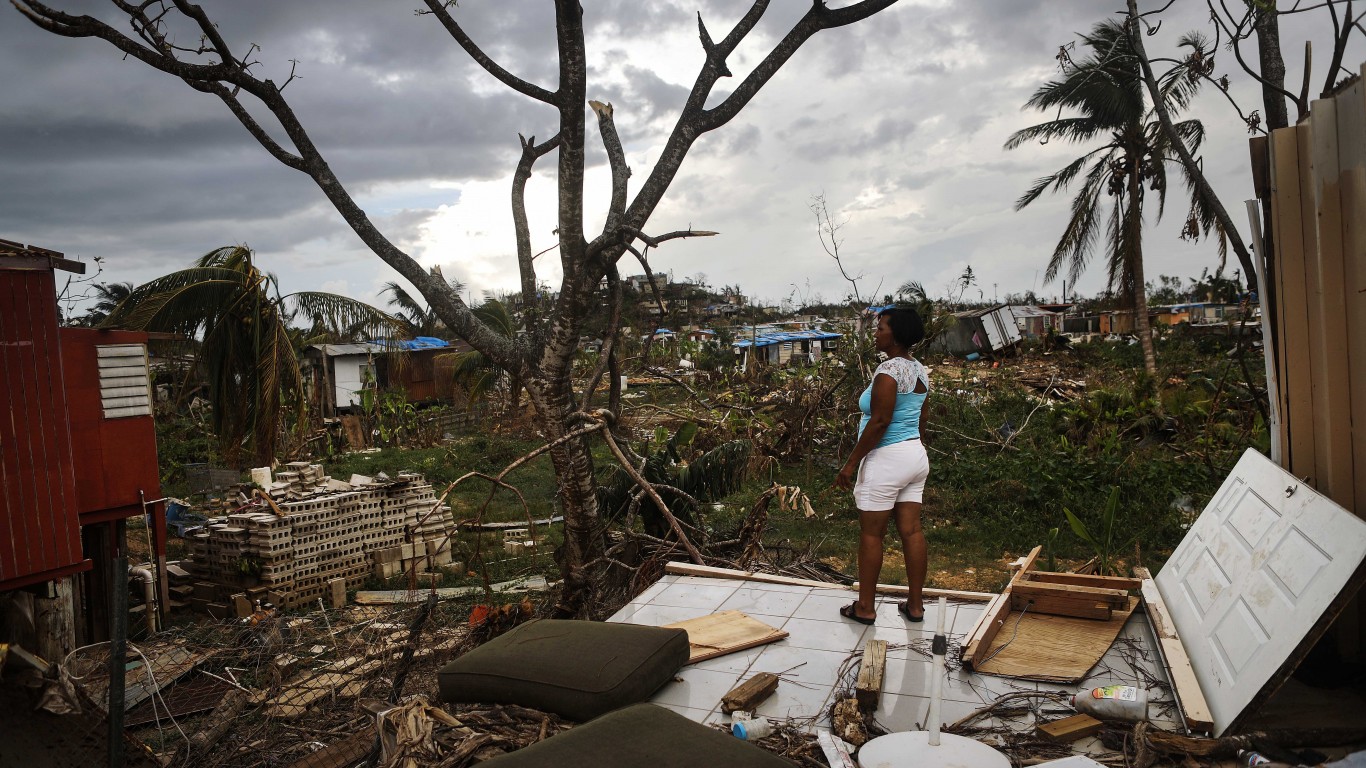
Puerto Rico after Hurricane Maria.
- Cost: $101 billion
- Deaths: 2,981
- Date: 2017
Hurricane Maria was a category 4 hurricane that hit Puerto Rico and the Virgin Islands in September of 2017. Maria intensified rapidly, growing from a tropical depression to a Cat-5 in roughly 54 hours. Extreme mudslides and flooding caused by the hurricane contributed to additional damage and many people died due to lack of services long after the storm had passed.






 Top Gaining Stocks
 Top Losing Stocks