


The government’s partial shutdown will hurt some parts of the economy much more than others. The 800,000 government employees out of work are not among the richest Americans but mostly middle class. Since the effects of that many people without paychecks and a drop in government purchases are both significant parts of the economy, a portion of the gross domestic product generated by them will be hurt, and that pain has already started.
Challenger Gray & Christmas, an employment consultancy, recently posted research that forecasts that the shutdown will harm the economy to the tune of $4 billion a month. Under certain circumstances, the number could go to $5 billion.
Although many of the effects of the slowdown are concentrated around Washington, D.C., because of the number of federal workers who live there and in the surrounding areas, local merchants will bear some of the brunt of the burden. But the ripple of the loss in wages and loss of payments to companies that do business will spread well beyond that geographic area.
[nativounit]
These are five of the hardest hit large industries:
Car Industry
This part of the economy has been and will be hit twice. The first is that out-of-work employees clearly will not be car buyers. However, there is a hidden problem. The EPA has to certify whether models meet federal guidelines. Many 2020 models are in this process now. Fiat Chrysler specifically voiced concern that its new Ram 2500 heavy-duty pickup is caught in the process. FCA CEO Mike Manley told the Detroit Free Press, “It’s on hold hopefully until the shutdown gets resolved. At some point, they need to be certified.”
Real Estate
Once again, this problem will be greatest in the Washington, D.C., area because of its concentration of federal workers. However, some experts say the uncertainty that the shutdown has triggered in consumer confidence makes people less likely to make big financial decisions. Lawrence Yun, chief economist with the National Association of Realtors, said, “For ordinary Americans, the shutdown adds to economic uncertainty about their future.” Yun also says, “Buying a home is a high-anxiety transaction, and by adding another complexity to it with possible delays in [the transaction], it hurts the economy and hurts consumers.”
Fresh Food Industry
This part of the economy is spread across several sectors. First among them are companies that sell fresh groceries and those that grow them. The FDA says it has the staff to check facilities that produce food at “high risk” for health hazards. This includes fish and some fruits and vegetables. What the agency calls “routine inspections” have been suspended. Consumers with anxiety about food quality will in many cases turn to processed foods. That creates problems for farmers, food chain workers and some retailers.
Airlines
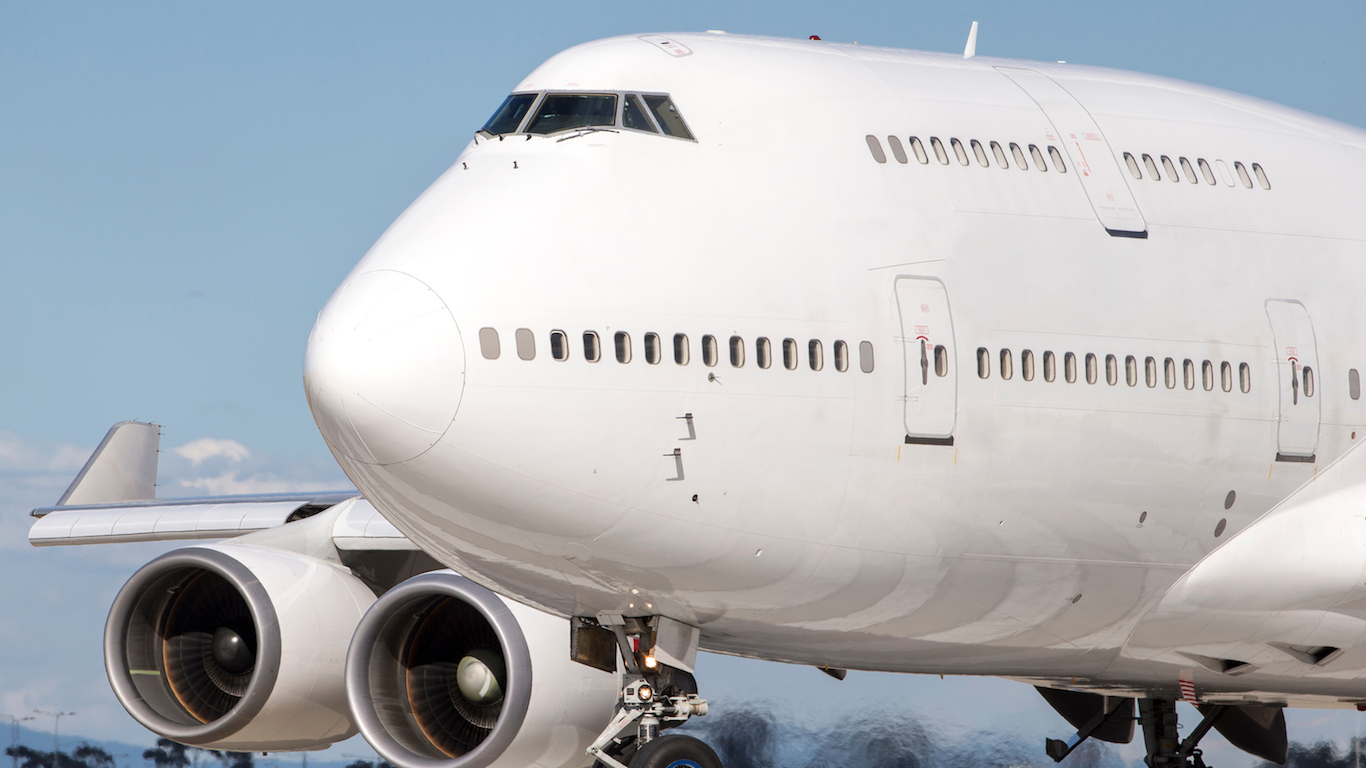
Carriers rely on several parts of the government to operate. Air traffic controllers are not being paid, but they are highly unlikely to leave their positions. However, the certification of new controllers has been suspended. In the meantime, the most significant threat to air travel is that TSA agents may not come to work. The agency says there has been a rise in absent workers. Wait times for airport screening have increased at some airports. The TSA even has begun to issue a report on wait times by location.
Consumer Finance Companies
People who have lost much or all their income become credit risks for payments as broad as credit cards, car payments and mortgages. Research firm Zillow estimates that homeowners and renters pay $438 million in monthly payments. Credit cards used for discretionary spending by those workers laid off will drop substantially. And the impact to consumer confidence affects spending that makes money for the consumer finance portion of the economy.
[wallst_email_signup]







 Top Gaining Stocks
 Top Losing Stocks