


Rarely does a disease spread fast enough and is labeled dangerous enough that it quickly gets the attention of the World Health Organization. A coronavirus, which has killed dozens of people in China and has spread to other countries which include the U.S., qualifies. As the disease moves to nations outside Asia and the death toll rises, it could become an international health emergency. Among the issues at stake is that it could affect populations around the world and curtail travel. And, it could become a “black swan’ for the worldwide economy.
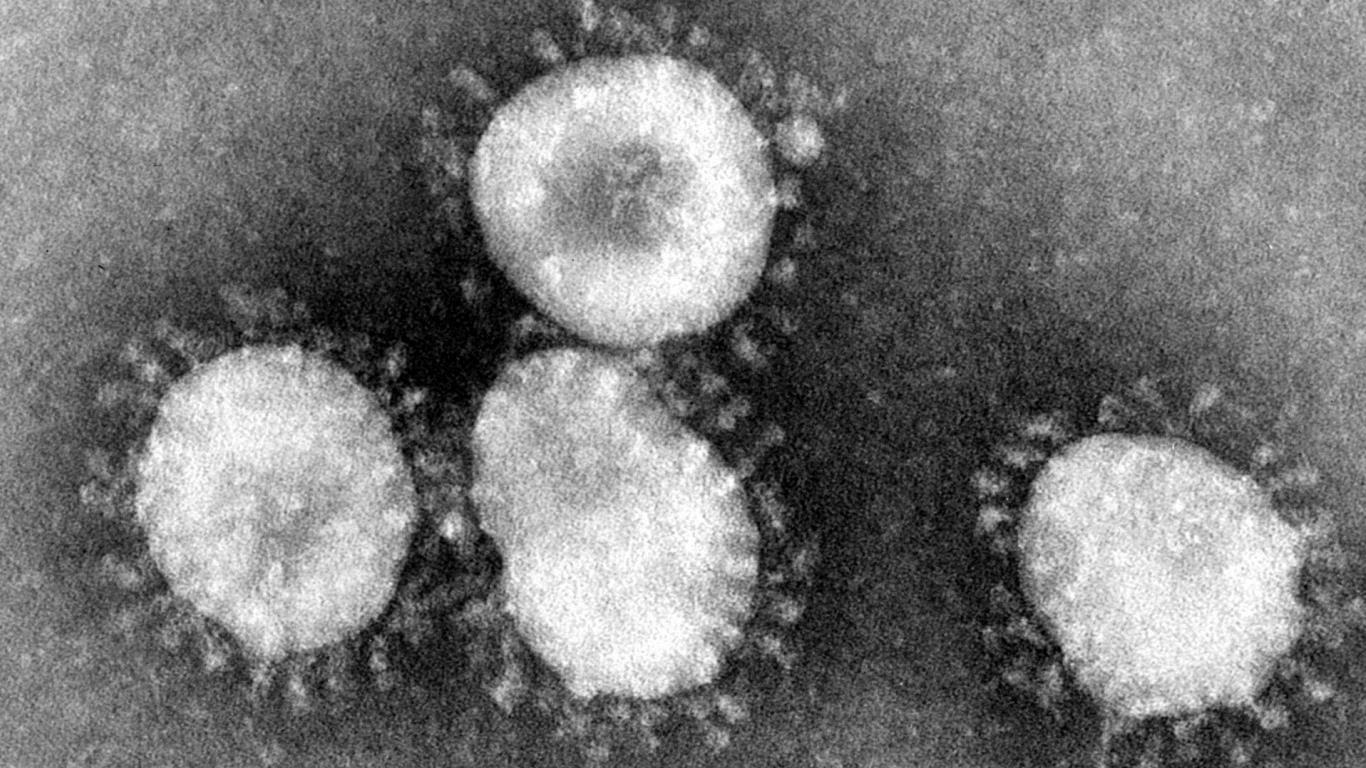
The coronavirus causes deadly pneumonia. It is found in both humans and animals. While it can cause colds, it may be best known for producing the SARS epidemic of 2002. The WHO has met to decide whether to put its considerable resources against the spread of the virus, which has also reached as far as Europe. So far, it has taken no action. That could change any day
Among the worries about the virus is that it has no cure for now. The other is that it has already spread very rapidly. The last is that it is deadly, though not, apparently, as fatal as SARS. It is not hard to imagine that the disease could spread to most large countries around the world. The National Center for Biotechnology said in a report about the SARS epidemic of 2002:
The SARS epidemic was not simply a public health problem. Indeed, it caused the most severe socio-political crisis for the Chinese leadership since the 1989 Tiananmen crackdown. Outbreak of the disease fueled fears among economists that China’s economy was headed for a serious downturn.
A severe outbreak of the new disease could have consequences similar to 2002. That is why the incident has gotten so much coverage and poses such a considerable threat.
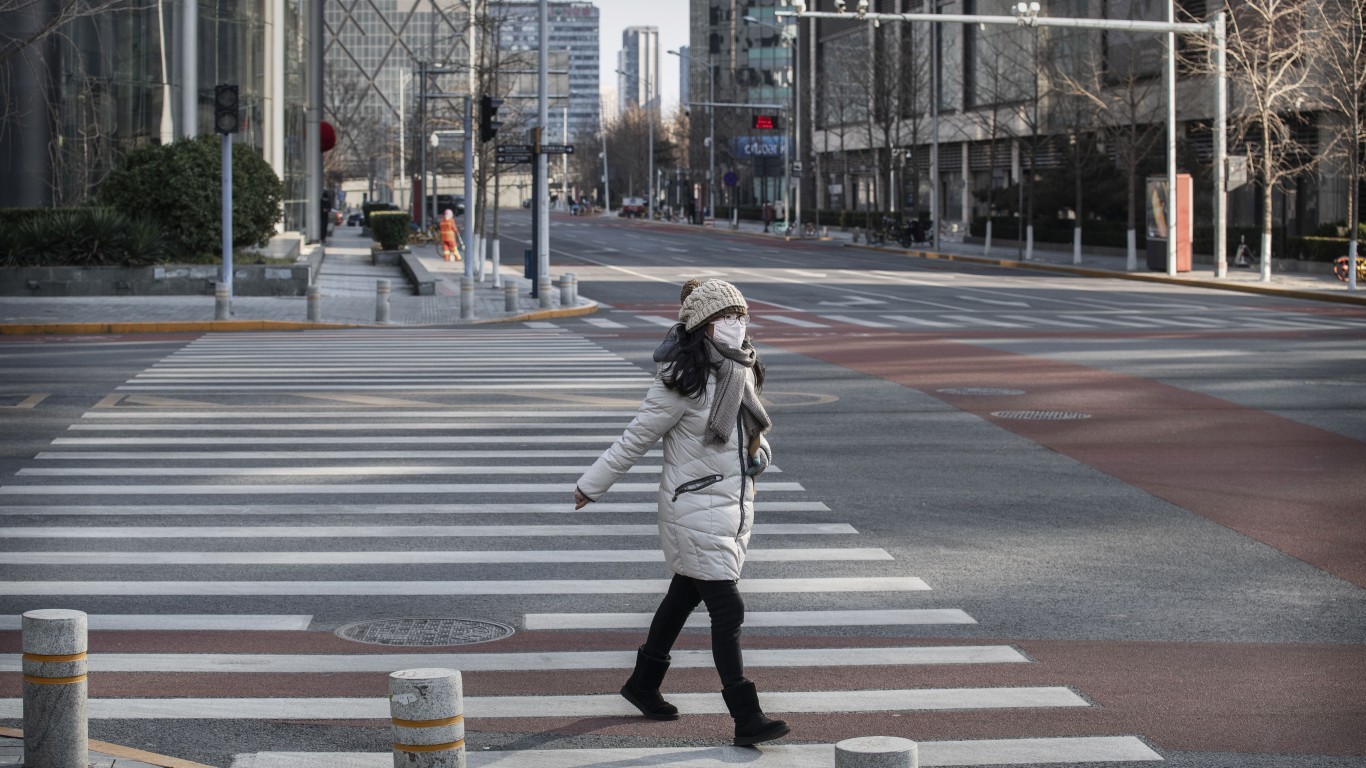
At this point, the most recent coronavirus outbreak that originated in Wuhan in the Hubei province of China has become more deadly and is much less contained than global health officials would have hoped. The death toll has risen to 56. Recent reports say that nearly 2,000 have caught the virus. With Wuhan and surrounding cities closed off, there are already rippling effects being felt. The United States has organized a charter flight removal for U.S. citizens who are in Wuhan, a city of about 11 million people that is a significant transportation hub inside China, and other nations are pursuing the same strategy.
The loss of life and suffering from illness is always the worst part of any outbreaks, epidemics, and pandemics. There is also an economic case that has to be considered in a global economy where a virus moves from one nation to another and begins to shut down parts of local economies that begin to impact trade and global travel.
One issue which is going to complicate the impact of the rapid spreading of coronavirus outbreak in China is that the timing of the more extensive spreading virus was at the start of the Chinese New Year. Now the coronavirus has already hurt public events and ceremonies, a considerable number of events having just been canceled. China has even temporarily closed some 70,000 movie theaters to help curb the spread of the coronavirus.
Before considering how outbreaks turn into epidemics and then into pandemics, the newest coronavirus outbreak is far from the first such case in the modern era. There have been multiple Ebola scares in the last few years alone coming out of Africa. A cholera outbreak in Yemen, swine flu in India, and other outbreaks have been far more deadly as of this time. There have also been many others, such as swine flu and avian flu, that have been considerable concerns. And SARS, which was reported to be less than 1,000 deaths back in 2003, was perhaps the most memorable of the outbreaks in Asia as one of the first modern-era global scares.
There is no simple way to try to minimize or discount deadly viruses and other outbreaks. One issue of relevance to consider is that there are thousands of deaths per year in the United States alone that come from each flu season that is tied to influenza and pneumonia that occur. The U.S. Centers for Disease Control and Prevention (CDC) has already estimated that the 2019/20 flu season includes 15 million to 21 million cases of the flu through January 18, 2020 — with 140,000 to 250,000 hospitalizations and an estimate of 8,200 to 20,000 flu-related deaths. As with most illnesses, the mortality rates are generally much higher among those who are infants, the elderly, those with cardiopulmonary conditions, and those with compromised immune systems.
At this stage, it is too soon and too challenging to try to calculate the economic impact in China, the U.S., and globally. Most pandemic scares come with only short-term financial and market implications. There have already been billions and billions of dollars of lost market capitalization among some of the top Chinese companies listed in America and in the value of U.S. companies that have direct exposure to Wuhan and other areas of China.
Cross border trade represents billions of dollars, even just between the U.S. and China. International travel is critical to some industries. There has not been a disease that has spread widely enough in the last century to sharply affect the global economy.
Among the events, economists watch far are “black swans.” The events which lead up to The Great Recession fell into this category. The new virus could be another.











 Top Gaining Stocks
 Top Losing Stocks