



The world and the financial markets are both addicted to government sponsored economic stimulus. Companies love stimulus and millions of consumers currently have no job and have little to no prospects of securing a new job. This brings up a serious dilemma for the United States Federal Reserve when interest rates are effectively at zero and while rates in Europe and Japan are down into negative interest rates.
The Federal Open Market Committee announced on Wednesday that interest rates would remain flat in the 0.00% to 0.25% range. It was a unanimous vote, but what matters now is what sort of additional stimulus is coming and how long the financial markets can expect interest rates to remain at current levels.
Using any forecasts for when those interest rates will start to rise is no simple task, but if the economy remains hobbled even after a COVID-19 vaccine and treatment are available then the markets may have just been given a pledge to low (or no) interest rates for years and years into the future. That may also come with no care about deficit financing either.
Wednesday’s announcement by the FOMC indicated that the current target range of 0.00% to 0.25% will remain in place until the FOMC is confident that the economy has weathered the recent events and until the economy is back on track to reach the dual mandate of maximum employment and price stability goals. While the statement later left clauses that will allow it to adapt rapidly if changes are needed, the implication here is that interest rates could be this low for years if the unemployment rates remains anywhere close to current levels.
[nativounit]
Another issue that was brought up was that the FOMC would continue to evaluate information for the economic outlook, and it specified that this would include information related to public health. That was never used in a pre-pandemic time.
It could be argued that the Federal Reserve now has other mandates on top of the price stability and full employment. The release pointed out that the FOMC would also be watching global developments and muted inflation pressures and that it will use its tools to support the economy.
As for determining when and how future monetary policy adjustments, the FOMC will also assess realized and expected economic conditions against the dual mandate.
As for the flow of credit to households and businesses, the FOMC statement indicated that the Federal Reserve will continue to increase its holdings of Treasury securities and of agency residential and commercial mortgage-backed
securities. And as for the size — at least at the current pace. The stance is that this will sustain “smooth market functioning.” The Open Market Desk will also continue to offer “large-scale overnight and term repurchase agreement
operations.”
It is important to consider that, despite the promise of lower rates for much longer, that the Fed always has an out to end its support if it feels it is necessary. The inclusion of the Fed being “prepared to adjust its plans as appropriate” is that caveat.
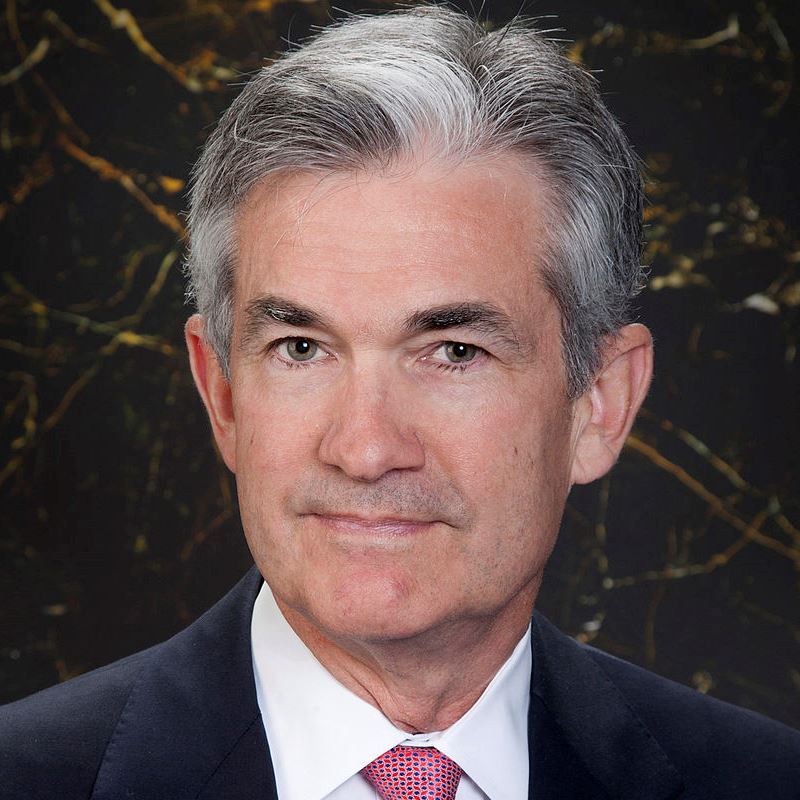
In his televised speech, Fed Chairman Jerome Powell did indicate that direct fiscal support is needed and that the Fed would continue to take actions for as long as is needed. That might not be a “Whatever it takes!” comment from former ECB head Mario Draghi, but that’s probably about as close as we can get with Jerome Powell.
As for whether or not the market should be expecting more, the Federal Reserve’s balance sheet went from $4.1 trillion pre-pandemic up to a peak above $7 trillion in recent weeks.
[wallst_email_signup]







 Top Gaining Stocks
 Top Losing Stocks