


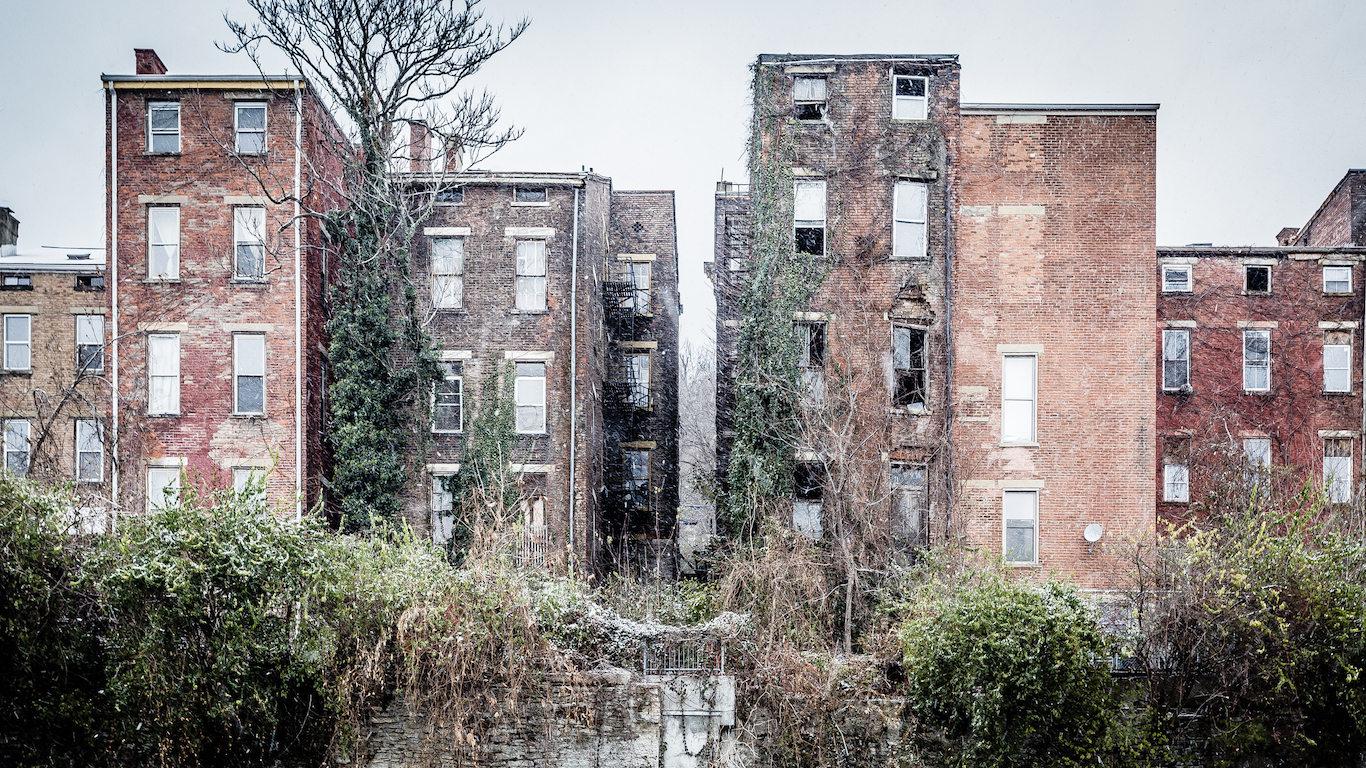
The bruising global competition among Russia, China and the United States has added to an environmental crisis that will flood much of the world and help burn more of it. Mass starvation and internal political strife in countries around much of the globe has caused an unexpectedly large number of people to think human civilization will end. A new survey asked people about their beliefs on the subject. In one large country, 71% of those asked say civilization is on its way out.
French think tank the Jean Jaurès Foundation surveyed people in five countries about their views of the future. These countries included France, Germany, Italy, the United Kingdom and the United States. The exact question was whether civilization as we know it today will collapse in the years to come. Among Italians, 71% agreed. This was followed by 65% of French respondents, 56% of those from the United Kingdom, 52% of Americans and 39% of Germans. Among the experts who study the trends, it is called “collapsology.”
[in-text-ad]
The view people have of the future prospects of their own nations played an important part in the level of pessimism. As the authors point out:
[I]t should be noted that it is in Germany, a country with a very strong economic and institutional base, that the prognosis for the collapse of civilization is the least widespread, followed by the two Anglo-Saxon countries and finally by France and Italy, nations with less satisfactory economic performance and where social and political tensions are high.
[nativounit]
The level of pessimism about the future varies by income, political leanings and age. For example, in the United States, 63% of those under 35 years old questioned believed a collapse was in the future. This dropped to 54% among people ages 35 to 49 who answered yes to the question. This dropped to 45% for those between 50 years old and 64. For those 65 years old or older, the number fell to 41%. Based on age levels, the figures were spread in the same way across the other countries.
People with lower educational attainment and low incomes were more likely to believe society would collapse than those with high incomes and more education.
Those who believe civilization will collapse fall into two discrete segments:
- Those who think that the consequences of global warming and overconsumption (disappearance of species, climatic disasters, depletion of resources) will drive a fairly sudden collapse.
- Those who think there will be no sudden collapse but rather a gradual deterioration of current living conditions.
About two-thirds of the people in each country subscribed to one or the other outlook. The balance of those questioned had other theories.
Many survivalists think world civilization will collapse, the research shows. These people often believe their future will be built on three factors: “garden, autonomy and self-defense.”
Given the state of unrest, global environmental challenges and poverty in the United States and Europe, that some people think society will collapse is no surprise. What is shocking is that the beliefs come in such large numbers.
[recirclink id=801002]
[wallst_email_signup]













 Top Gaining Stocks
 Top Losing Stocks