


The world’s population continues to soar, although the places of most rapid growth have changed considerably since the middle of the 20th century. This year, the total number of people in the world is just shy of 7.8 billion. In 1970, it was 3.7 billion. Asia (particularly China and India), Latin America and the northern parts of Africa have been the primary engines of this growth. Based on what almost certainly will be the 10 largest cities in the world in 2030, these trends will continue.
The movement of people into urban areas has been a primary characteristic of population growth. In 1970, 37% of people lived in urban areas. Today, that figure has risen to 56%.
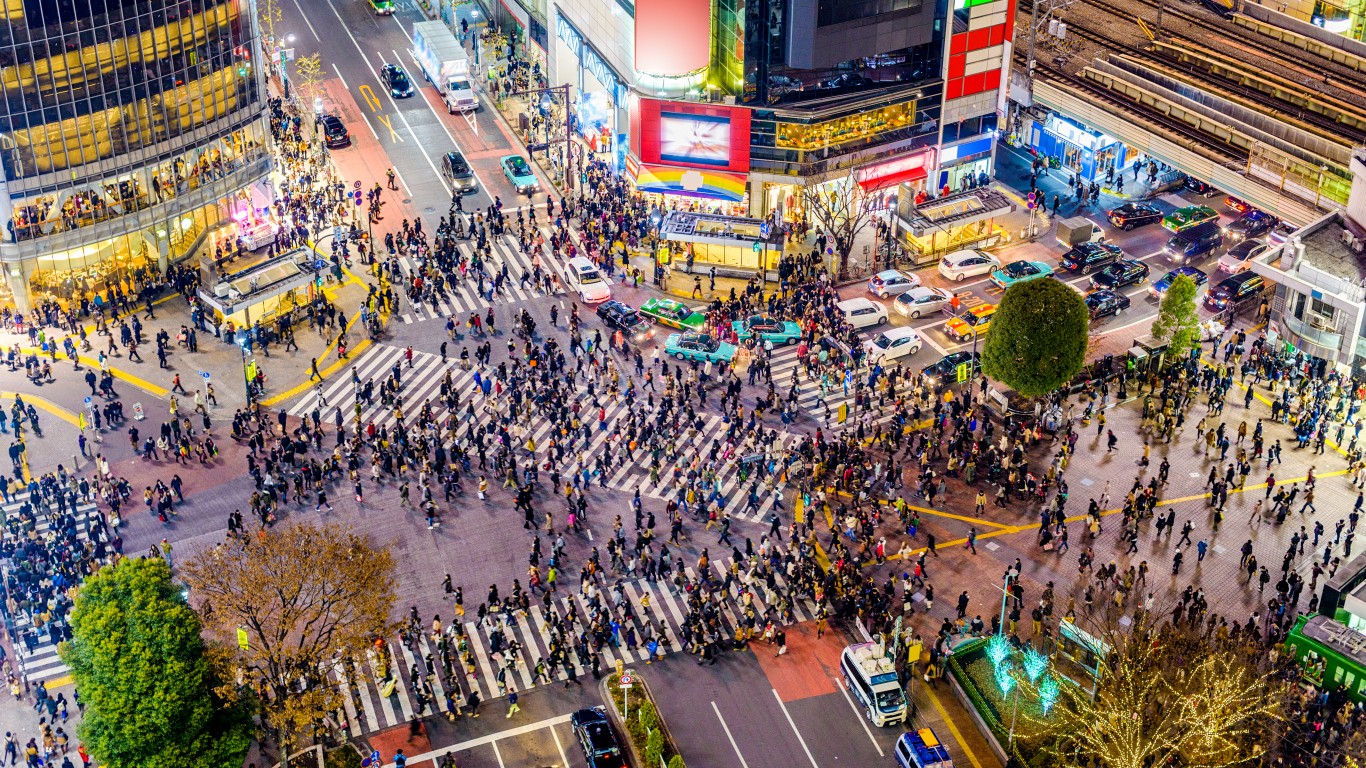
As a sign of how the population will shift in the next decade, the largest city in the world in 2018 was Tokyo at 37.468 million. It will drop to second place in 2030, according to the United Nations, when its population is forecast to be 36.574 million. Japan’s population overall is stagnant. The National Institute of Population and Social Security Research expects the number of people in Japan to drop from the current level of 127 million to 100 million in 2049.
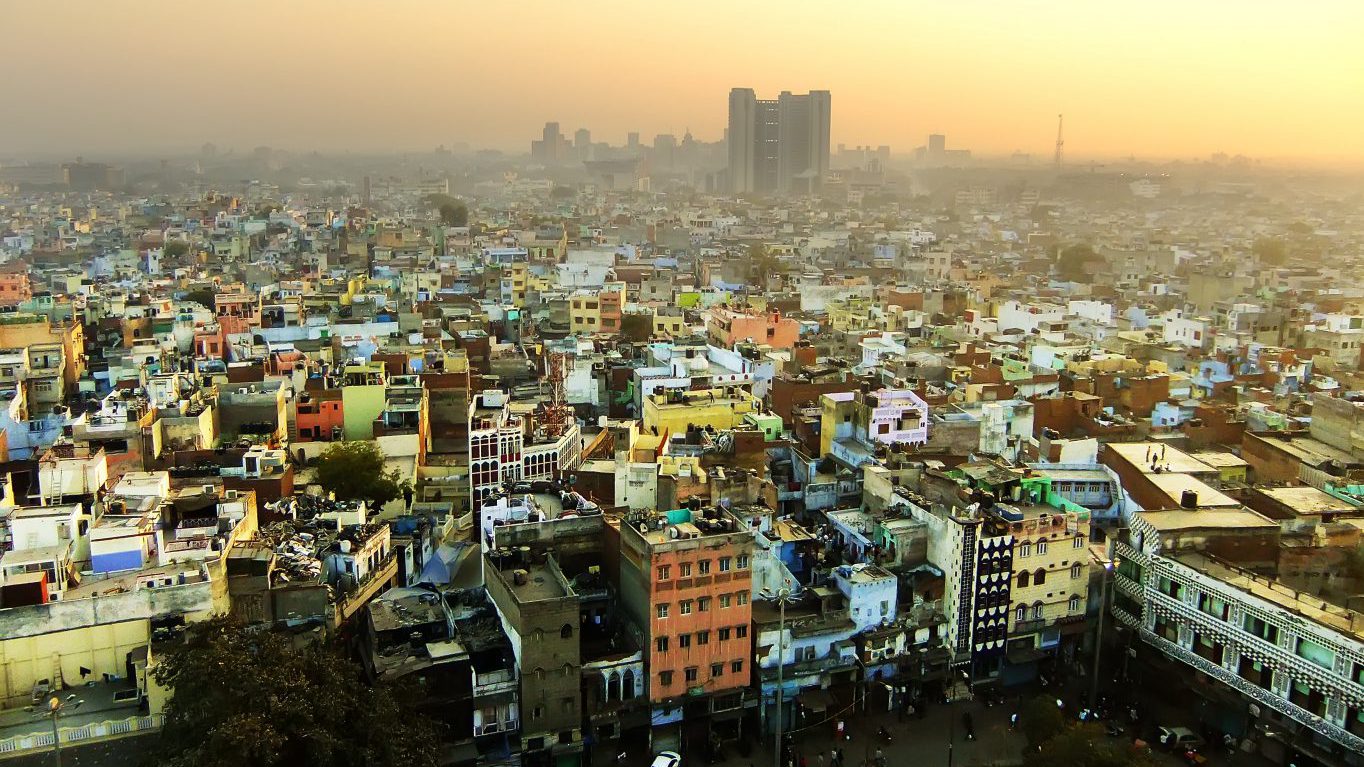
Delhi will be the largest city in the world in 2030. By then, its population will be 38.939 million. In 2018, the figure was 28.514. India has been for several years, and will probably continue to be, the fastest-growing large country in the world. It is expected to pass China, the world’s population leader, within the next half-decade.
[nativounit]
Third place is held by Shanghai, and that is not expected to change, although its population will soar. In 2018, that figure was 25,582 million. In 2030, the number is expected to be 32.869 million.
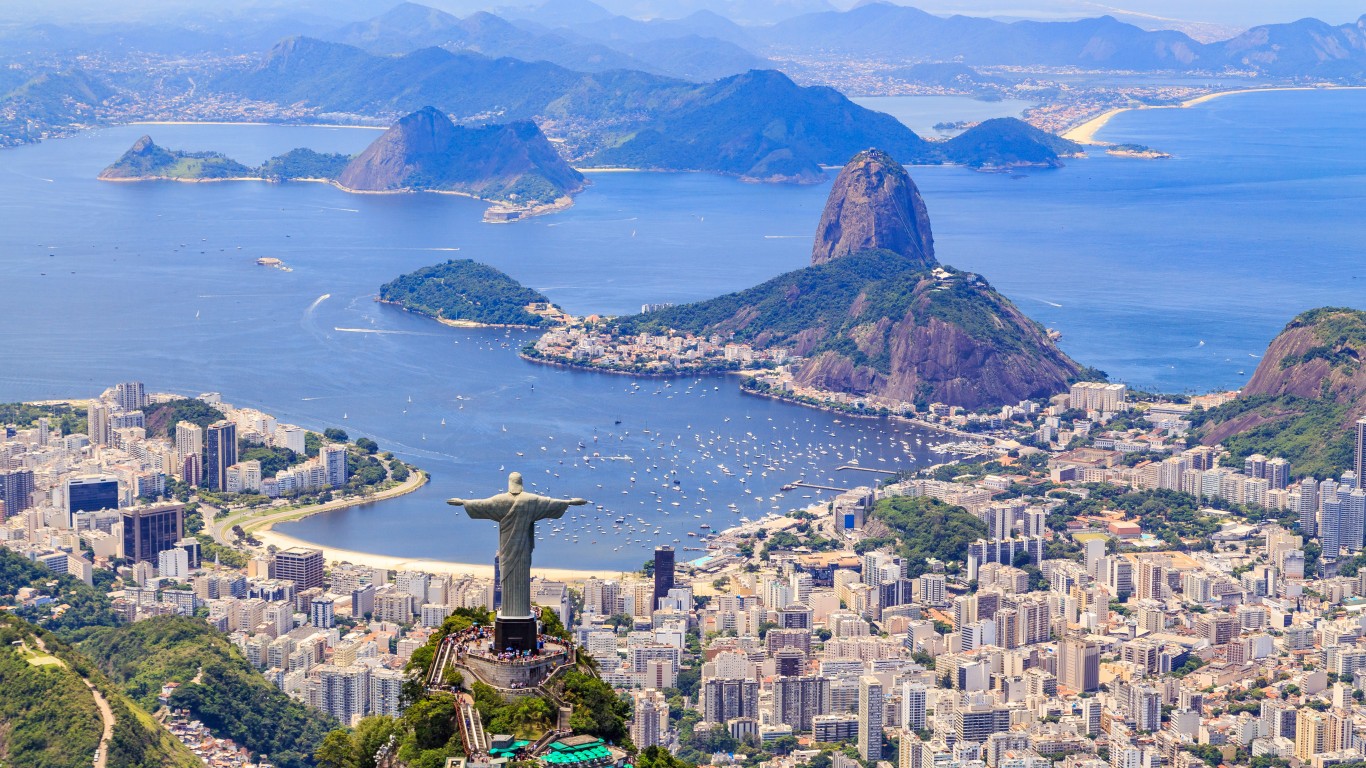
Sao Paulo was the fourth largest city in 2018, with a count of 21.650 million. It is expected to drop to ninth place in 2030, with a forecast population of 23.834 million. Dhaka, Bangladesh, which is ranked ninth, will move into fourth place with 28.076 million. Bangladesh is the eighth-largest nation in the world, with a population of 169,570,258. That number is up 12% from 2010.
Mexico City is expected to sink from sixth place to eighth over the period, despite a rise from 21.581 million to 24.111 million.
The United Nations expects one of the top 10 cities will fall from the list completely: “Projections indicate that the world’s tenth largest city in 2018—Osaka, Japan—will no longer be among the ten largest in 2030. Kinshasa, Democratic Republic of the Congo will grow to rank as the tenth most populous city in the world in 2030.”
World’s Top 10 Cities by Population (Millions)
| Rank | City | 2018 | City | 2030 |
|---|---|---|---|---|
| 1 | Tokyo | 37.468 | Delhi | 38.939 |
| 2 | Delhi | 28.514 | Tokyo | 36.574 |
| 3 | Shanghai | 25.582 | Shanghai | 32.869 |
| 4 | Sao Paulo | 21.650 | Dhaka | 28.076 |
| 5 | Mexico City | 21.581 | Cairo | 25.517 |
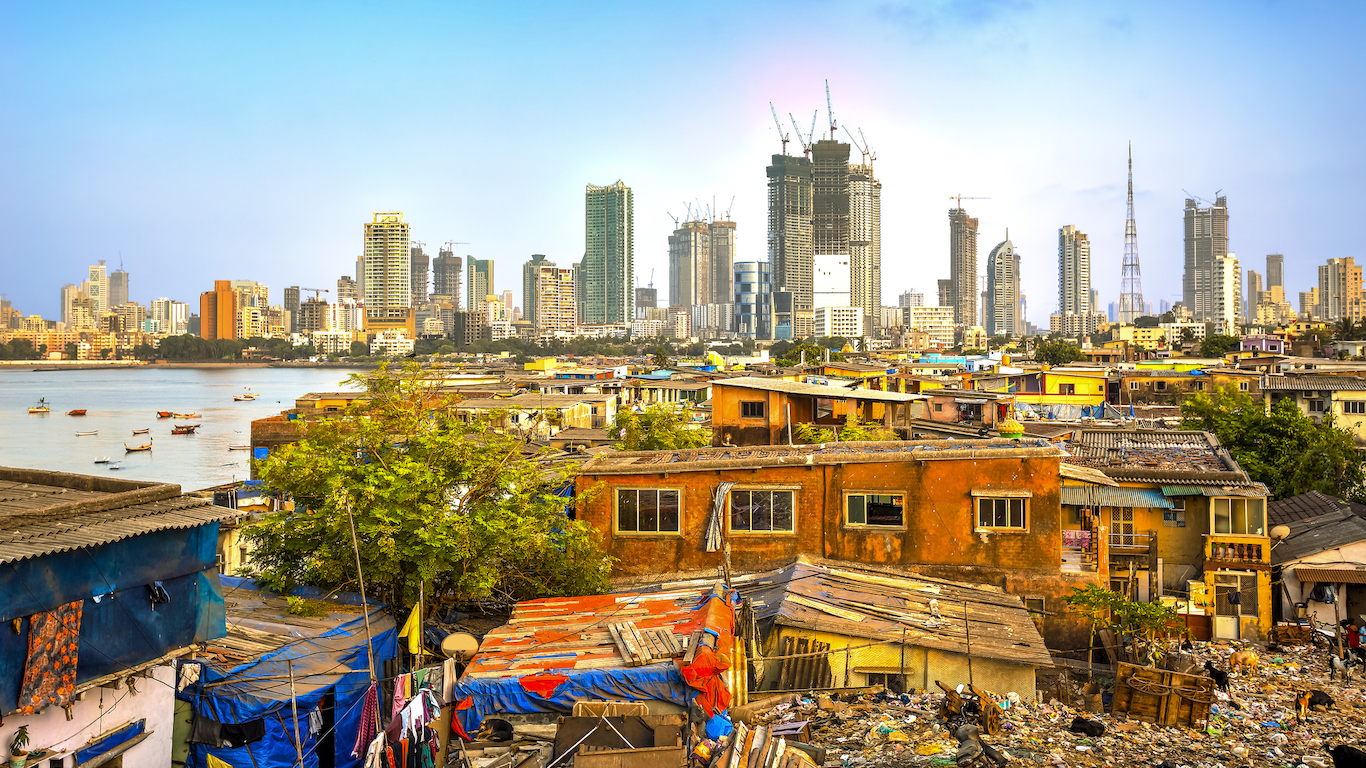
| 6 | Cairo | 20.076 | Mumbai | 24.572 |
| 7 | Mumbai | 19.980 | Beijing | 24.282 |
| 8 | Beijing | 19.618 | Mexico City | 24.111 |
| 9 | Dhaka | 19.578 | Sao Paulo | 23.824 |
| 10 | Osaka | 19.281 | Kinshasa | 21.914 |
[recirclink id=803831]
[wallst_email_signup]



 Top Gaining Stocks
 Top Losing Stocks