


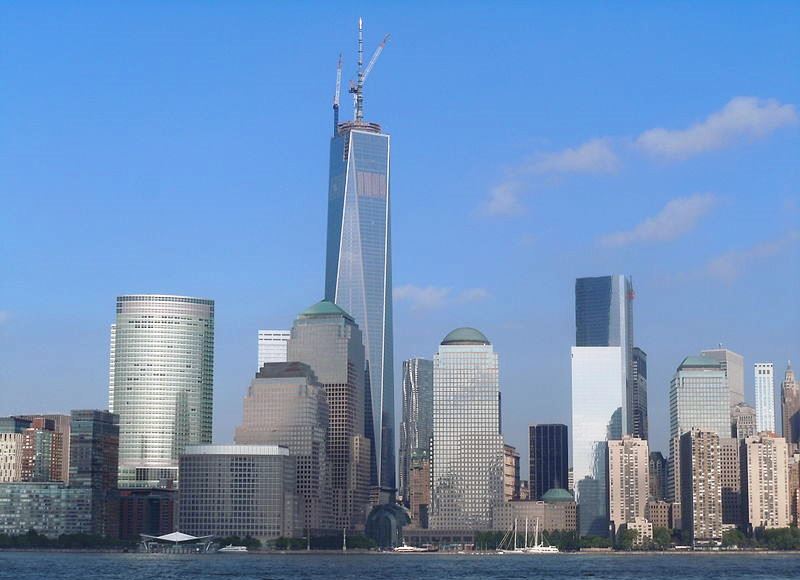
The increase in size of most of the world’s largest cities owes itself to a broader trend, the research shows. About 54% of the world’s population live in urban areas, up from 30% in 1950. The figure is expected to rise to 66% by 2050.
For the time being, the trend toward the growth in cities has been limited to a small group of nations:
Just a few countries are home to half of the world’s urban population. China has the largest urban population (758 million), followed by India (410 million). These two countries account for 30 per cent of the world’s urban population and, with another five countries, the United States of America (263 million), Brazil (173 million), Indonesia (134 million), Japan (118 million) and the Russian Federation (105 million), account for more than half of the world’s urban population.
American is home to only two cities among the 20 largest in the world. New York-Newark is ninth with a population of 18.6 million and Los Angeles-Long Beach-Santa Ana is 20th with a total population of 12.3 million. Not a single European city is among the 20 largest. Paris ranks 25th with 10.8 million residents and London 27th with 10.2 million.
ALSO READ: America’s Most (and Least) Healthy Cities
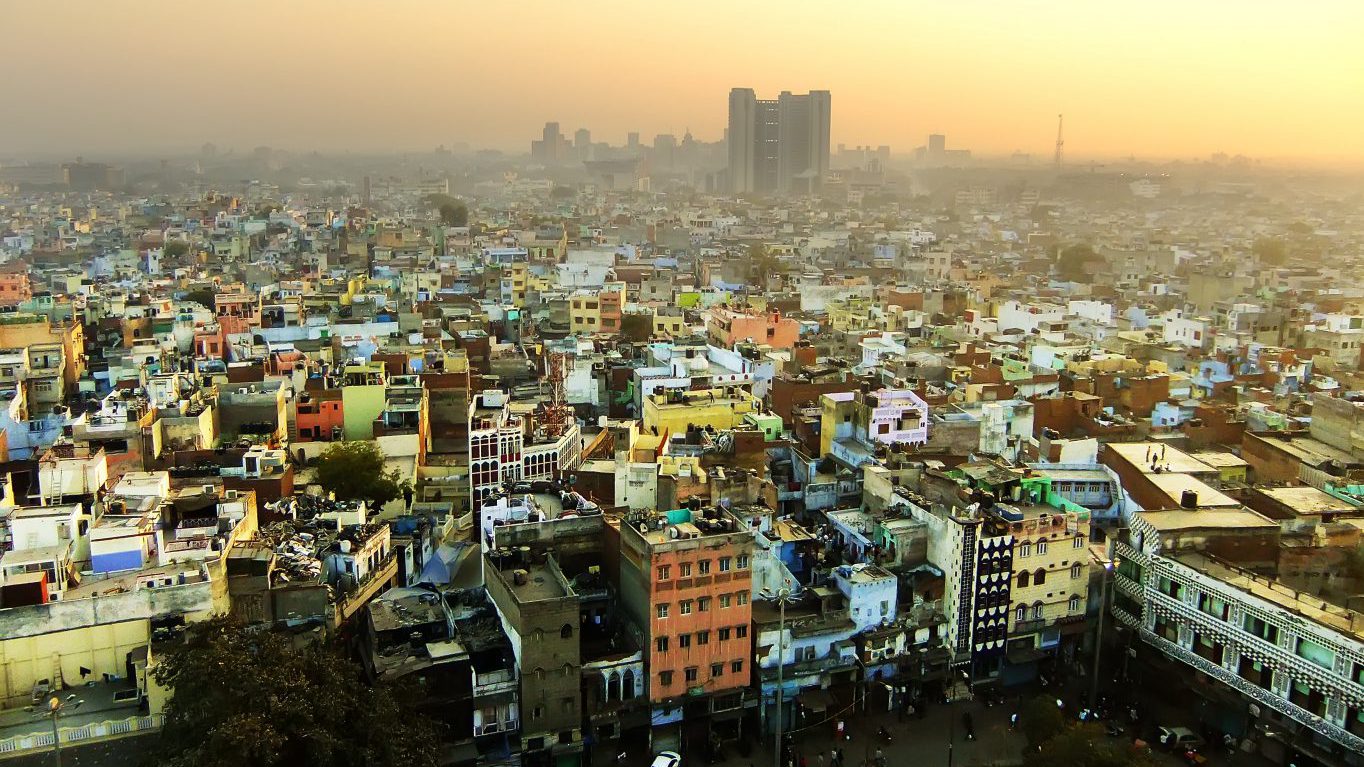
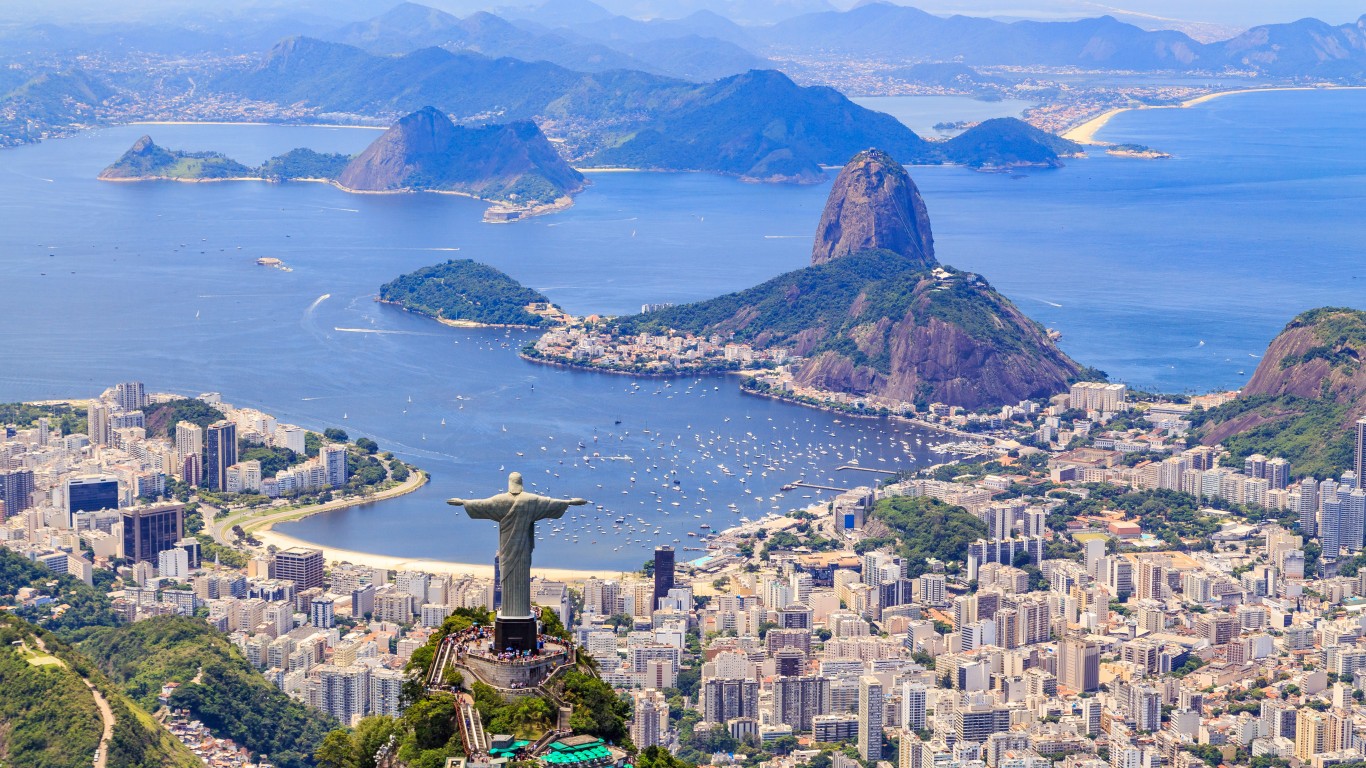
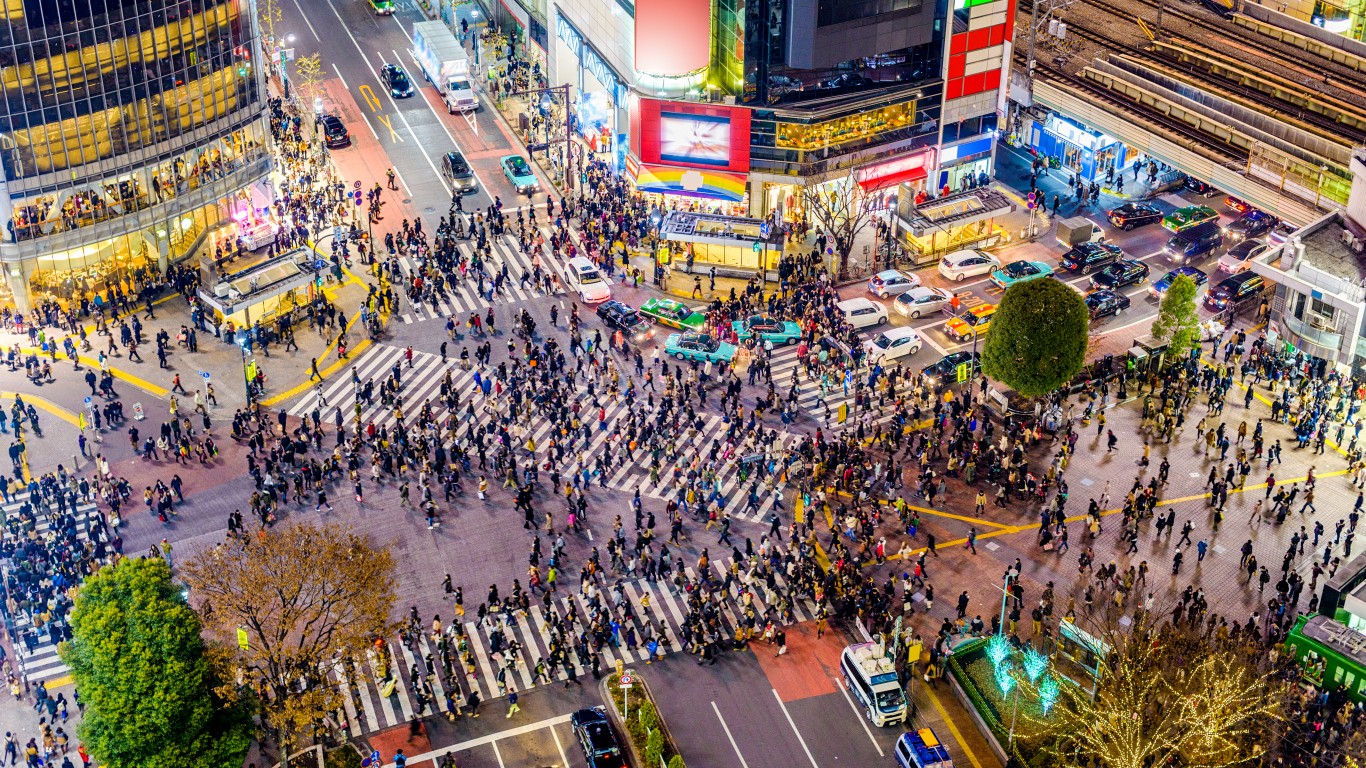
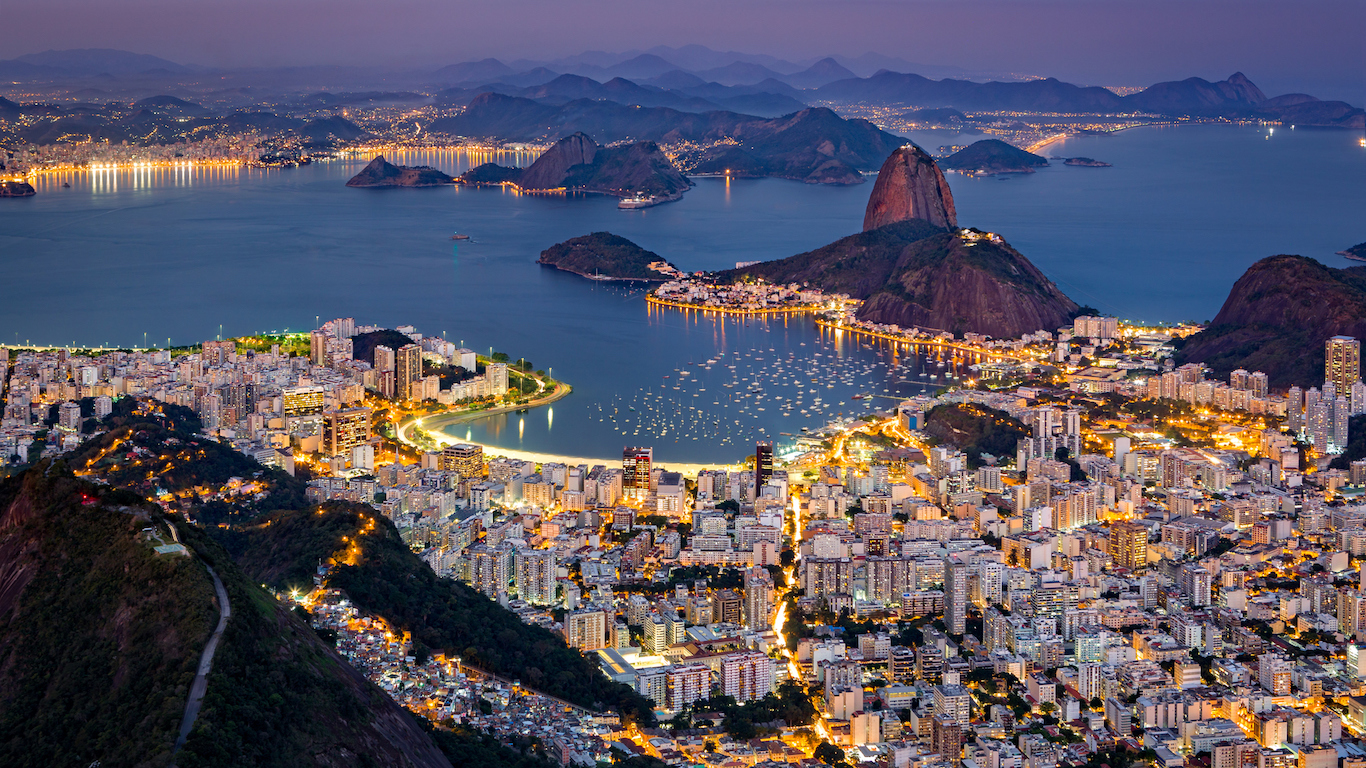
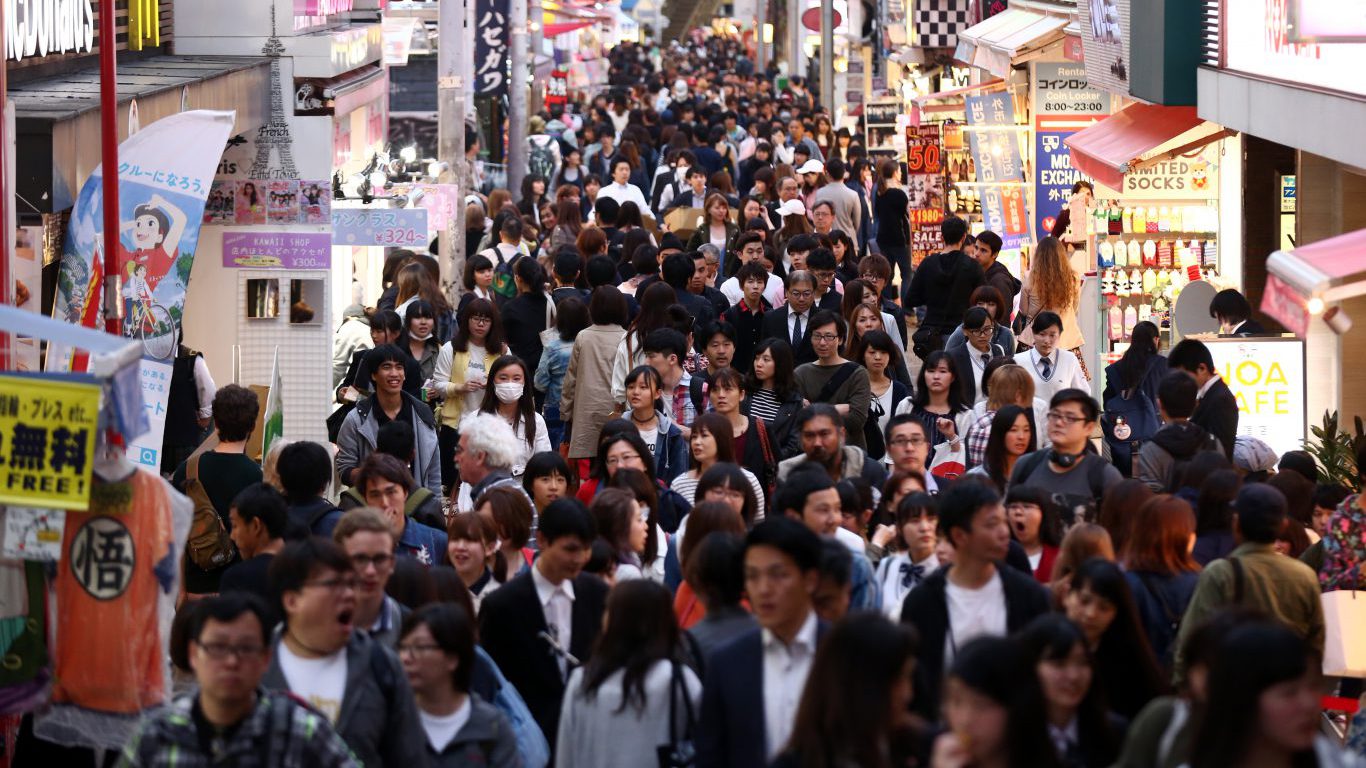
The number for the huge cities and their populations show the extent to which North America and Europe have been dwarfed. The largest city in the world by far currently is Tokyo, with 37.8 million residents. Japan is also home to the seventh largest city, Osaka, with 20.1 million. India has two cities in the top 10. Dehli has 25.0 million residents and Bombay 20.7 million. China also has two — Shanghai with 23.0 million residents and Beijing with 19.5 million. Brazil has one, Sao Paulo, with 20.8 million. And Mexico’s Mexico City finishes the top 10 with 20.8 million. Among the top 50, there are no other Western cities. By contrast, China has a total of 11 and India has six.
It is not hard to see what has driven the trends among the list of the largest cities beyond migration from rural areas. Population growth is so slow in North America and Europe that the odds of adding cities to the top 50 in the future are close to nil. All four of the cities based in the West drop down the list by 2030, the study forecasts.
What is not quite as clear from the World Urbanization Prospects 2014 revision is what might reverse the trend. Rampant air and water pollution should be very visibly included. So should violent civil unrest. With the chance that either of those factors could grow aggressively, looking into the future as far as 2030 is nothing better than a guess.
ALSO READ: The World’s Most Content (and Miserable) Countries






 Top Gaining Stocks
 Top Losing Stocks