


By David Callaway, Callaway Climate Insights
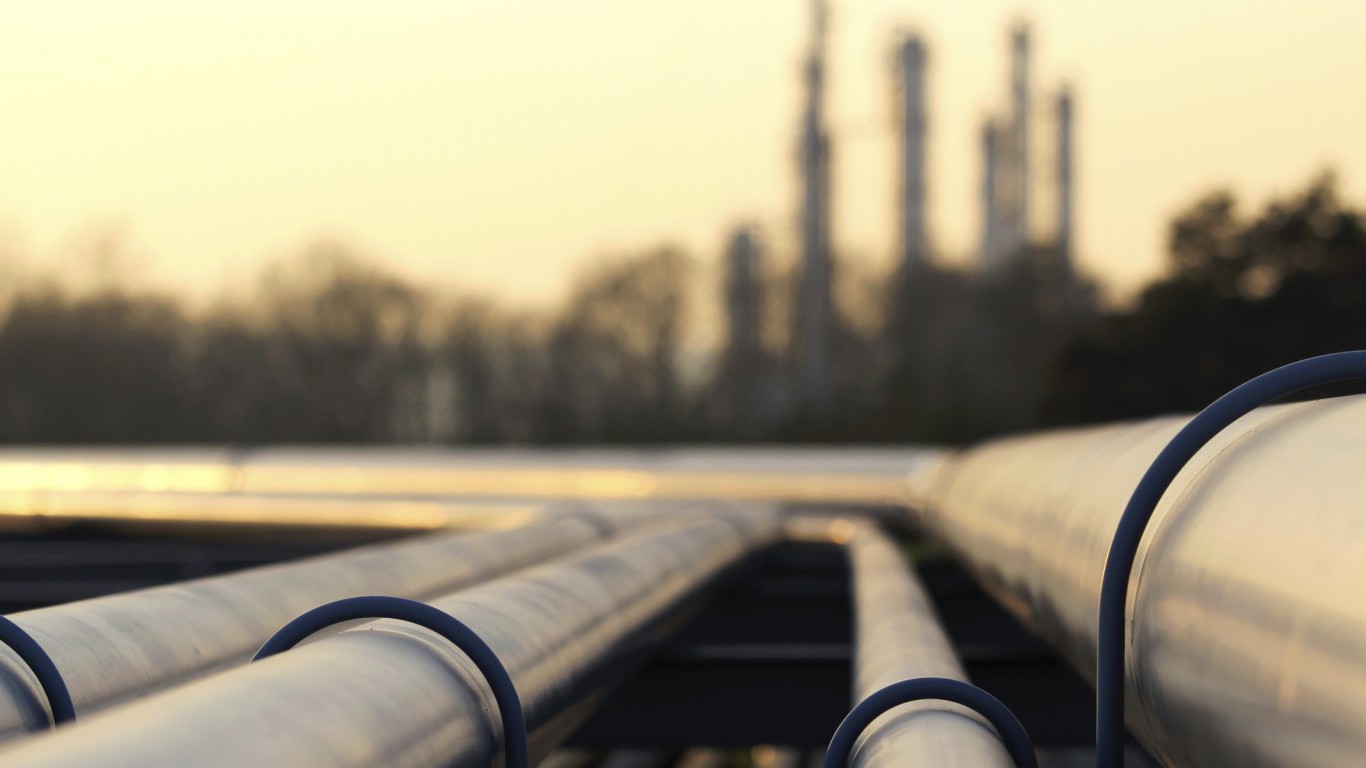
The White House was quick to jump into the Colonial Pipeline hack over the weekend, issuing a rare emergency order to keep oil moving using highways and ships and bringing in Homeland Security.
But aside from some mild gains in oil stocks Monday, markets largely ignored the potential threat that several days of outage could cause to gasoline prices on the East Coast, or to the seven major airports Colonial serves. That complacency is misguided.
The hack by a ransomware group called DarkSide, while targeted at a private company, crossed an important line in national security. Most of our energy infrastructure is owned and operated by private companies. While hackers are increasingly targeting companies for ransom payments, this is the first time a hack has threatened to de-stabilize energy supplies. It won’t be the last.
President Joe Biden’s $2 trillion infrastructure plan has very little in it about cybersecurity, but as we seek to connect vast amounts of wind, solar, hydro and gas-powered projects to our electric grid, the effects from global warming are only part of the danger. While Colonial Pipeline will no doubt soon be back in business, the incident has exposed critical vulnerabilities in our national energy systems.
Investors are playing this as an oil scarcity event. Coming so soon after the SolarWinds hack of the federal government last year, it is instead a test for a national rapid response strategy that will be vital for the coming transition to renewable energy.
More insights below. . . .
Monday’s subscriber insights: Colonial hack a warning to renewable players
. . . . Speaking of infrastructure challenges, don’t miss fund manager Jeff Gitterman’s interview with me for his ESG Playbook Summit on Wednesday, May 12, for registered investment advisers. Click here to register.
. . . . The Colonial Pipeline hack sent a warning to makers of renewable energy products such as solar and wind, which have focused relentlessly on bringing down costs in past years. Cyber safeguards are no longer a luxury. Read more here. . . .
. . . . As Europe moves toward night trains to avoid short-haul flights, can Amtrak offer similar service in the U.S.? Read more here. . . .
Climate indexes dip as earnings season wanes
. . . . The CCI Climate Index fell 8.74 points, or 9.8% for the week, to 81.71. Three stocks in the index rose while 52 fell. Among standout moves, Stellantis STLA rose $1.54, or 9.3%, to $18.29. Vale VALE rose $1.73, or 8.6%, to $22.08. Sociedad Química y Minera de Chile SQM rose 40 cents, or 0.8%, to $55.02.
Ballard Power BLDP fell $6.72, or 30.7%, to $15.40. Workhorse Group WKHS fell $2.78, or 22.4%, to $9.64. SunWorks SUNW fell $2.44, or 21.8%, to $9.32.
Among other climate indexes, the CCI EV Index fell 6.86 points, or 7.4% for the week, to 87.14. The CCI Solar Index fell 10.03 points, or 11.8% for the week, to 75.91. And the CCI Natural Resources Index fell 7.26 points, or 5.9% for the week, to 120.15.
The Callaway Climate Insights indexes are price-weighted averages drawn from a list of 55 notable companies in climate-related sectors.












 Top Gaining Stocks
 Top Losing Stocks