The $550 billion question: Can the climate provisions of Build Back Better be revived?

Photo of Trey Thoelcke
By Trey Thoelcke Published
This post may contain links from our sponsors and affiliates, and Flywheel Publishing may receive compensation for actions taken through them.
The $550 billion question: Can the climate provisions of Build Back Better be revived?

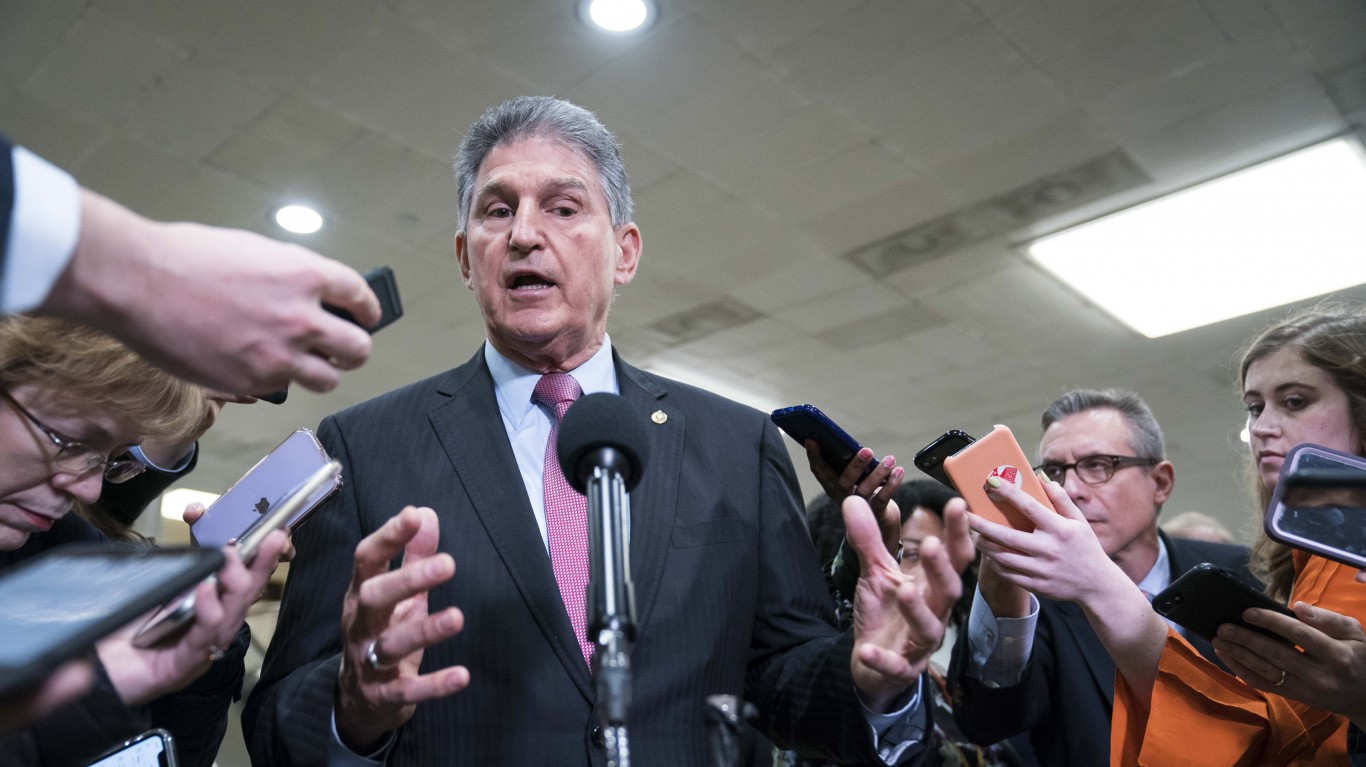
© Drew Angerer / Getty Images

By David Callaway, Callaway Climate Insights

(Bill Sternberg is a veteran Washington journalist and former editorial page editor of USA Today.)

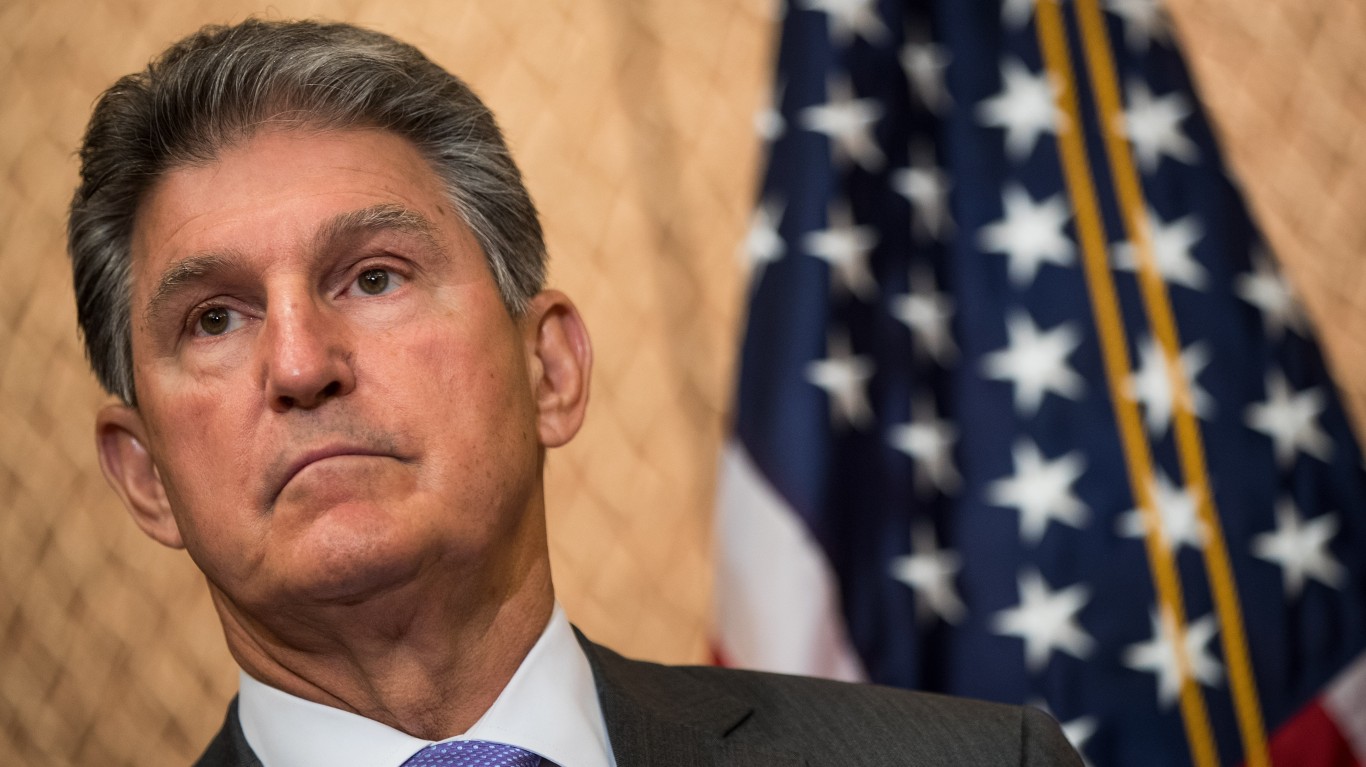
WASHINGTON, D.C. (Callaway Climate Insights) — In 2010, when Democrat Joe Manchin first ran for the U.S. Senate, he shouldered a rifle and fired a hole through a mock copy of his party’s comprehensive energy legislation. “I’ll take dead aim at the cap-and-trade bill, because it’s bad for West Virginia,” Manchin vowed in a campaign ad.

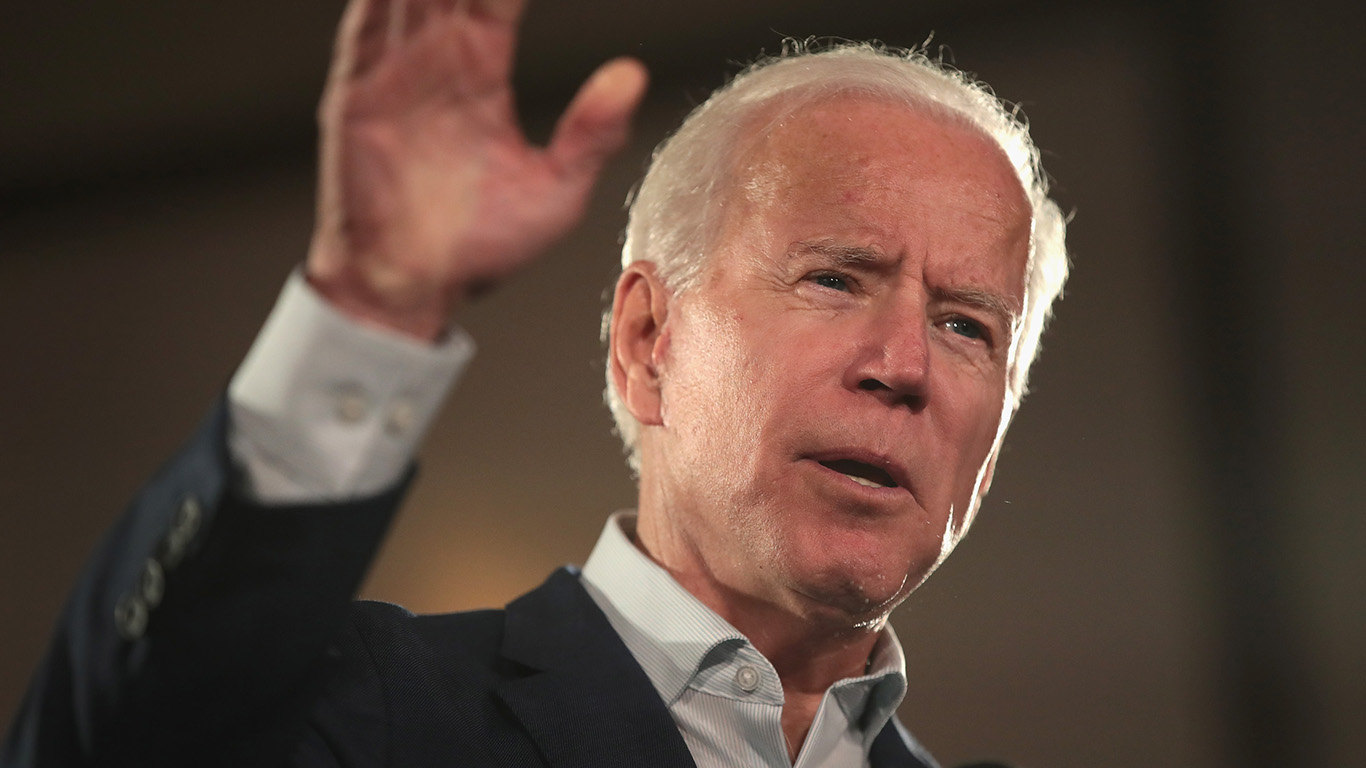
Manchin never got to fire away at the bill, which perished in the Senate before he got there. But a few weeks ago, Manchin rhetorically shot down the biggest climate investment in American history, telling Fox News Sunday that he wouldn’t provide the decisive 50th vote for President Joe Biden’s “Build Back Better” package of roughly $2 trillion in social and climate programs.

In recent days Manchin has made it clear that the expansive version of Build Back Better that passed the House of Representatives last fall, and was pending in the Senate, is “dead.” Now the $555 billion question in Washington is whether the climate provisions that were wrapped into the moribund legislation can be resurrected in one form or another.

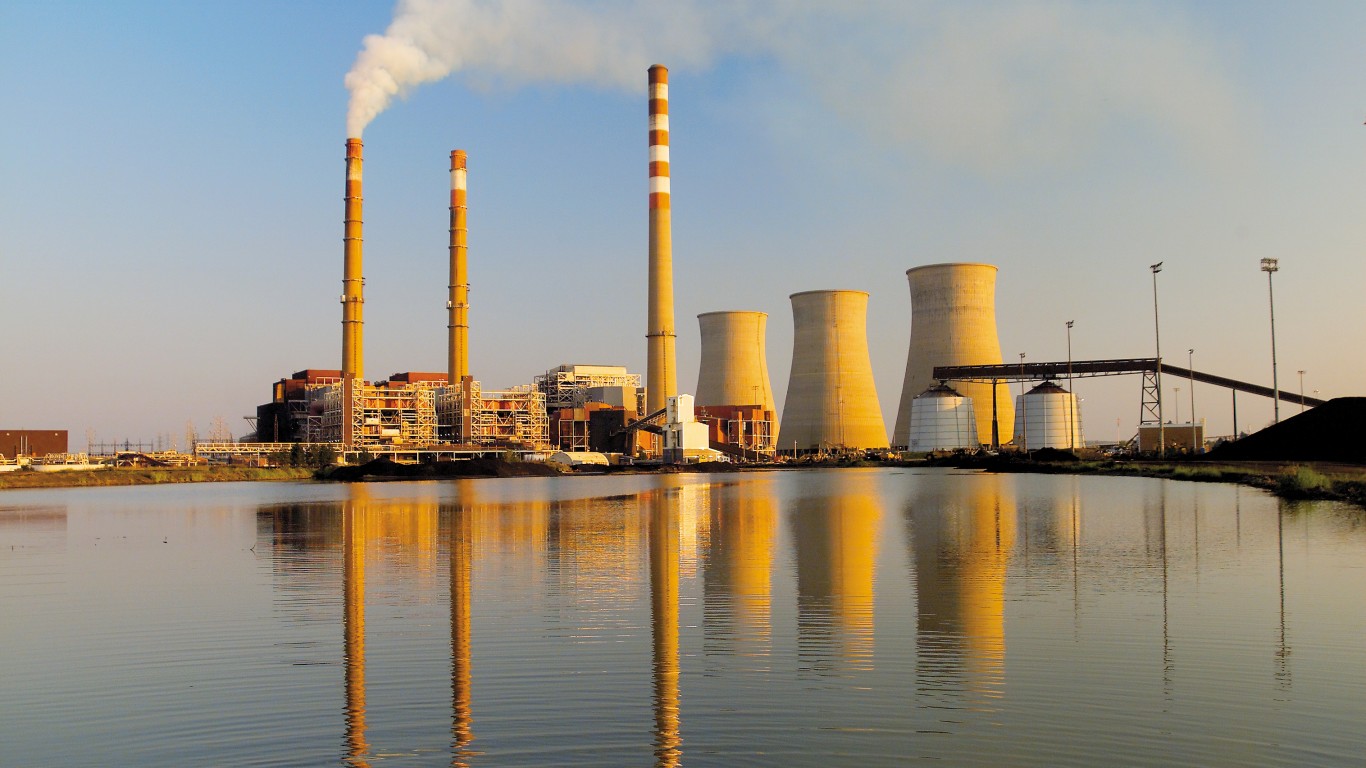
It’s hard to overstate the stakes for green tech companies and their investors, not to mention Earth as a whole. Robinson Meyer, author of The Atlantic’s Weekly Planet newsletter, calls it the only “climate-change story that really matters in the United States right now.” The Rhodium Group says that, without new policy actions, the U.S. will fall far short of its 2030 targets for reducing greenhouse gas emissions. . . .

To read this column, all our insights, news and in-depth interviews, please subscribe and support our great climate finance journalism.


Callaway Climate Insights Newsletter

Photo of Trey Thoelcke
About the Author Trey Thoelcke →

Trey has been an editor and author at 24/7 Wall St. for more than a decade, where he has published thousands of articles analyzing corporate earnings, dividend stocks, short interest, insider buying, private equity, and market trends. His comprehensive coverage spans the full spectrum of financial markets, from blue-chip stalwarts to emerging growth companies.

Beyond 24/7 Wall St., Trey has created and edited financial content for Benzinga and AOL's BloggingStocks, contributing additional hundreds of articles to the investment community. He previously oversaw the 24/7 Climate Insights site, managing editorial operations and content strategy, and currently oversees and creates content for My Investing News.

Trey's editorial expertise extends across multiple publishing environments. He served as production editor at Dearborn Financial Publishing and development editor at Kaplan, where he helped shape financial education materials. Earlier in his career, he worked as a writer-producer at SVE. His freelance editing portfolio includes work for prestigious clients such as Sage Publications, Rand McNally, the Institute for Supply Management, the American Library Association, Eggplant Literary Productions, and Spiegel.

Outside of financial journalism, Trey writes fiction and has been an active member of the writing community for years, overseeing a long-running critique group and moderating workshop sessions at regional conventions. He lives with his family in an old house in the Midwest.

Continue Reading

Top Gaining Stocks

CBOE Vol: 1,568,143
PSKY Vol: 12,285,993
STX Vol: 7,378,346
ORCL Vol: 26,317,675
DDOG Vol: 6,247,779

Top Losing Stocks

LKQ
LKQ Vol: 4,367,433
CLX Vol: 13,260,523
SYK Vol: 4,519,455
MHK Vol: 1,859,865
AMGN Vol: 3,818,618