


By David Callaway, Callaway Climate Insights
(Bill Sternberg is a veteran Washington journalist and former editorial page editor of USA Today.)
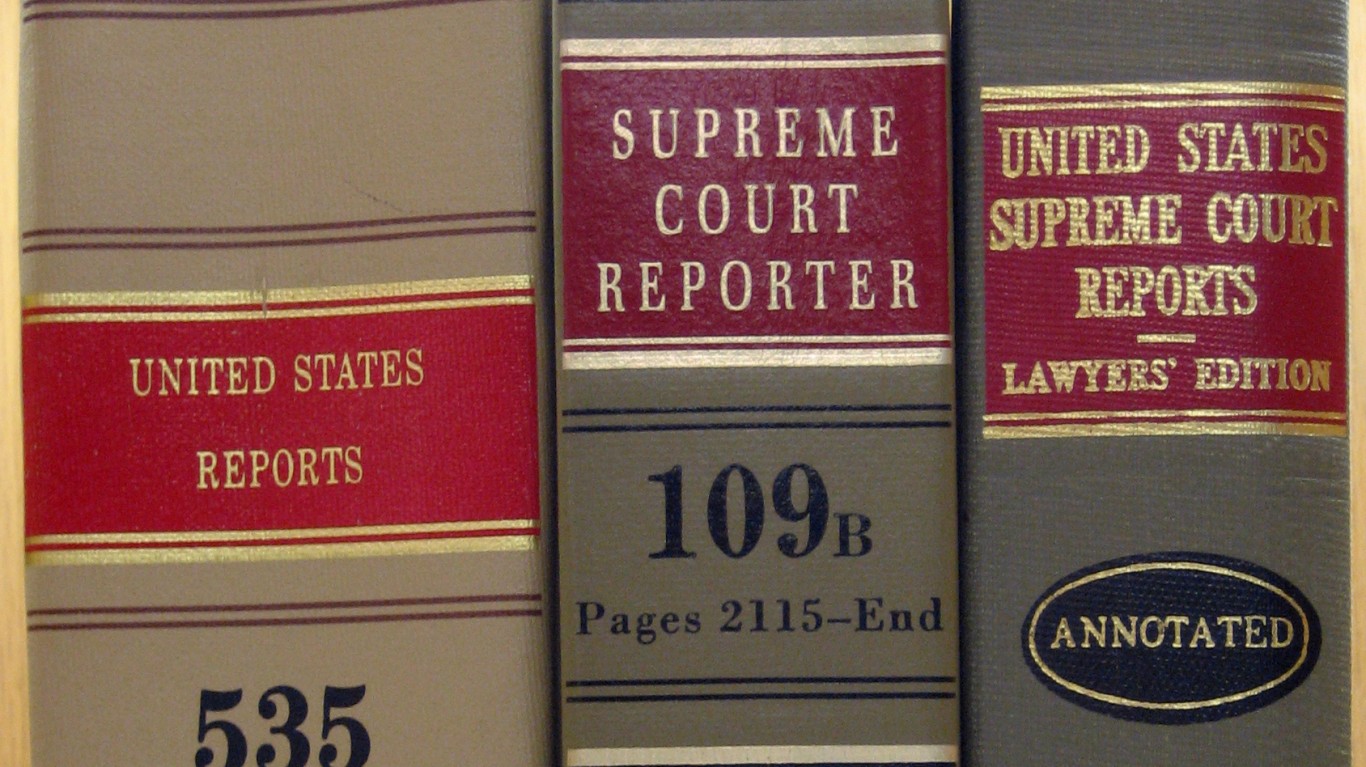
WASHINGTON, D.C. (Callaway Climate Insights) — After watching the Supreme Court’s conservative majority expand gun rights and curtail abortion rights this month, environmentalists were understandably apprehensive about West Virginia v. Environmental Protection Agency, the biggest climate change case to reach the court in years.
Those fears proved well-founded on Thursday when, in its next-to-last decision of the term, the court sharply limited the EPA’s ability to regulate greenhouse gas emissions from the power plant sector. Here are some key takeaways from the court’s 6-3 decision, written by Chief Justice John Roberts:
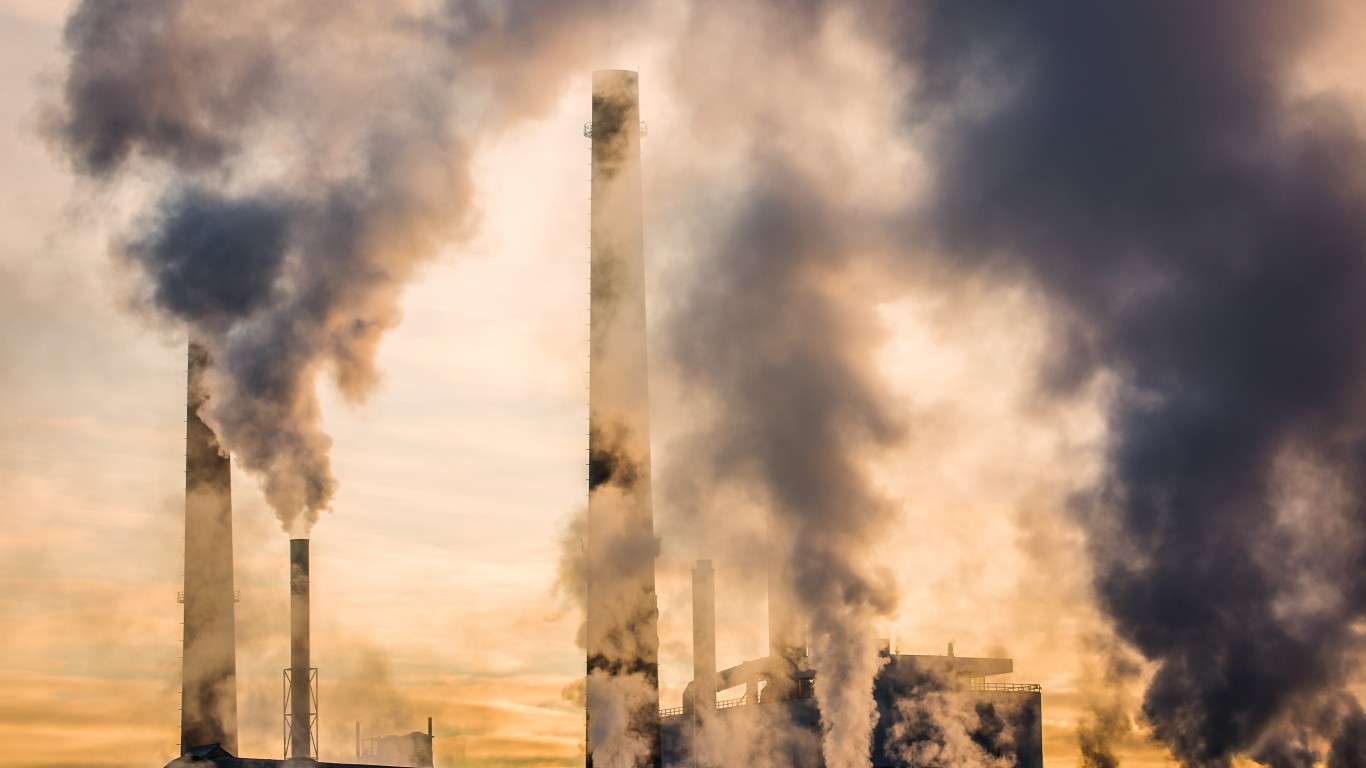
Thursday was a bad day for the planet. To be concerned about global warming is to vacillate between hope (possible breakthroughs in fusion energy or green hydrogen or carbon capture) and despair (record-smashing heat waves and increased use of fossil fuels amid political gridlock and Russia’s war on Ukraine). Thursday was a day for despair, as the court curbed one of the key tools for limiting carbon emissions from power plants, the second leading source of such emissions in the United States. The court’s majority held that the EPA can’t act on a “major question” like this without specific authorization from Congress, even as the three liberal dissenters said the court “does not have a clue about how to address climate change.” Without strong U.S. leadership, global cooperation to address global warming becomes all the more difficult.
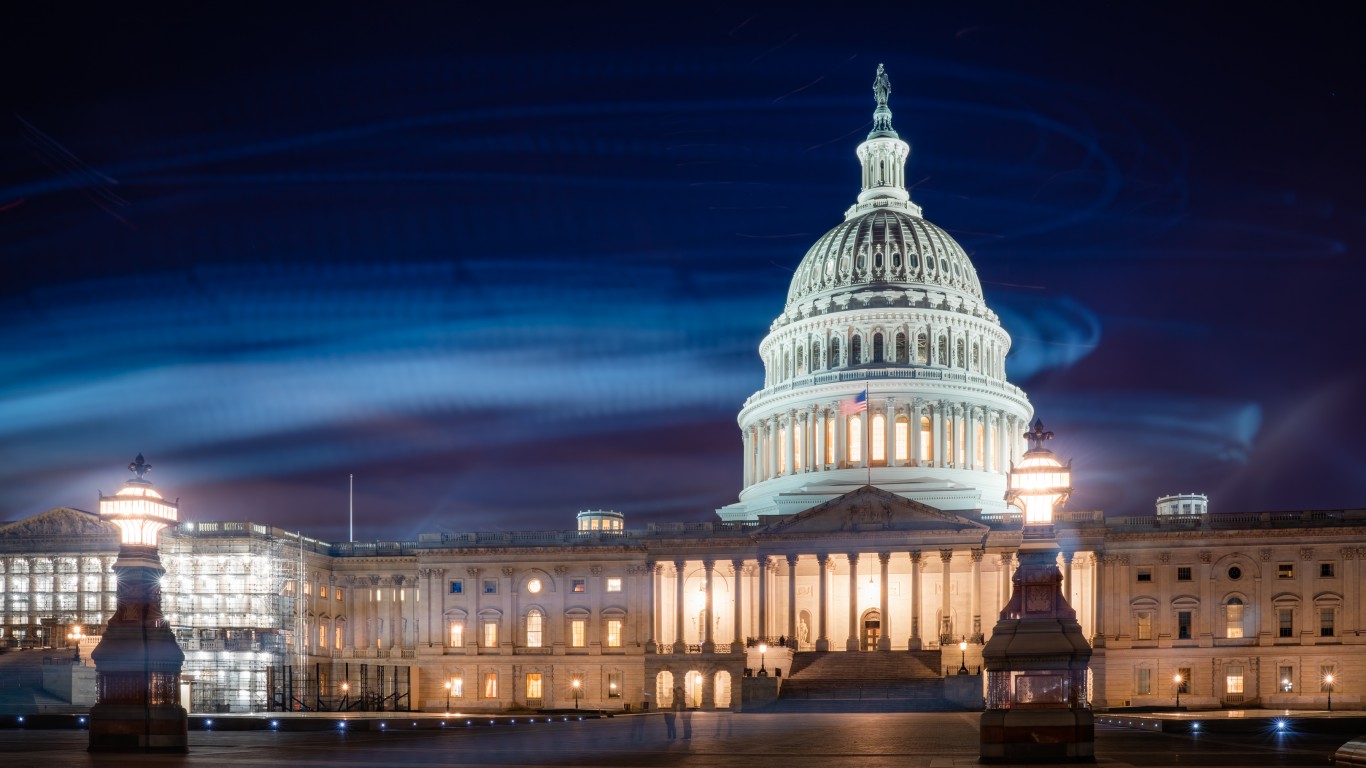
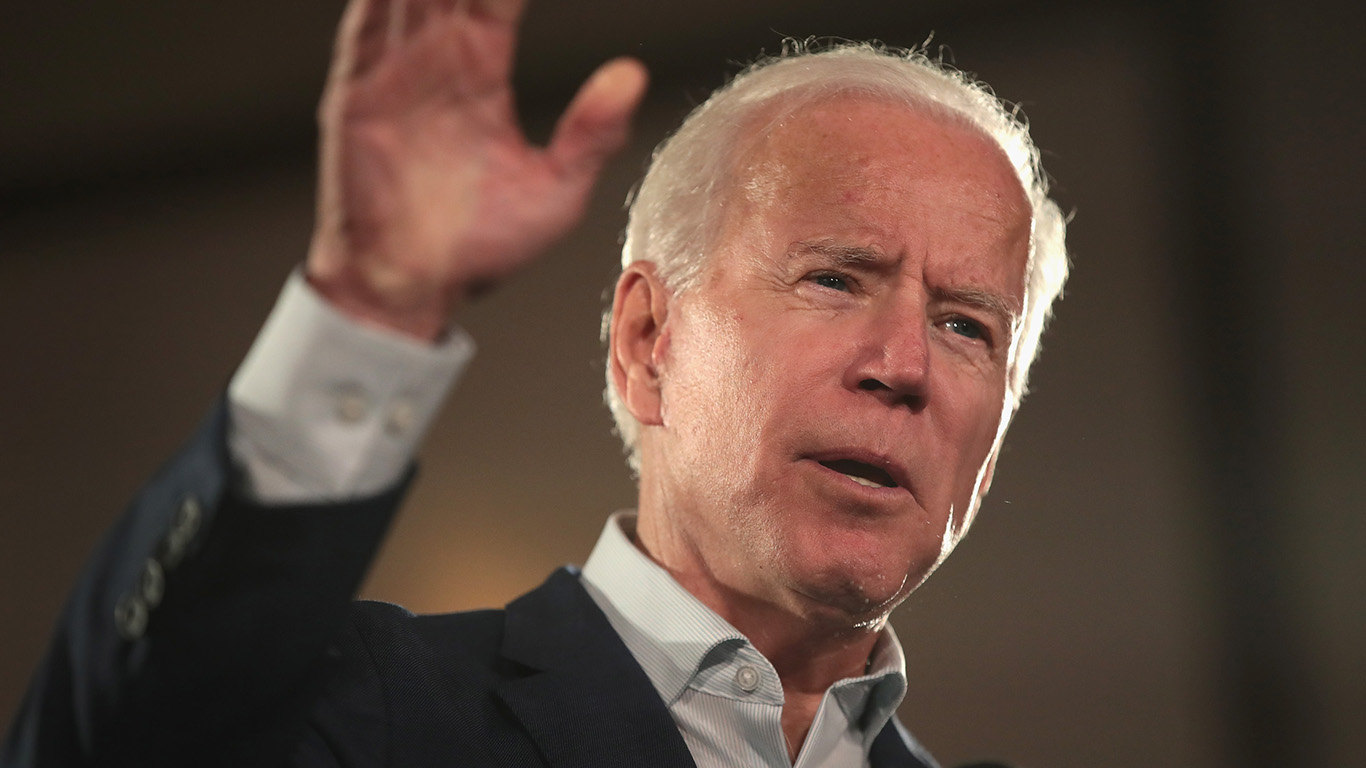
Congress isn’t going to ride to the rescue. Even with Democrats in control of the House and Senate, they don’t have the votes to pass the sort of authorization the court is requiring. The key swing vote in the Senate belongs to Joe Manchin of West Virginia, whose family is in the coal business and who has long been hostile to aggressive environmental regulation. The prospects for meaningful congressional action on climate grow even dimmer after November, when Republicans are expected to win a majority in the House and possibly the Senate. Congressional Republicans’ recent outline for addressing climate change in the next Congress had one startling omission: It barely mentions the climate.
Most of the business community didn’t want this outcome. Sure, the corporate petitioners in the case, the North American Coal Corp. (NC) and Westmoreland Mining Holdings, were thrilled with the outcome. But a broad swath of American businesses — including Apple (AAPL), Amazon (AMZN), Google (GOOGL), Microsoft (MSFT), Netflix (NFLX) and Tesla (TSLA) — filed legal briefs in support of allowing the EPA broad authority to regulate greenhouse gas emissions as a way to prevent the worst impacts of climate change. …
To read the full column, all our insights, news and in-depth interviews, please subscribe and support our great climate finance journalism.







 Top Gaining Stocks
 Top Losing Stocks