


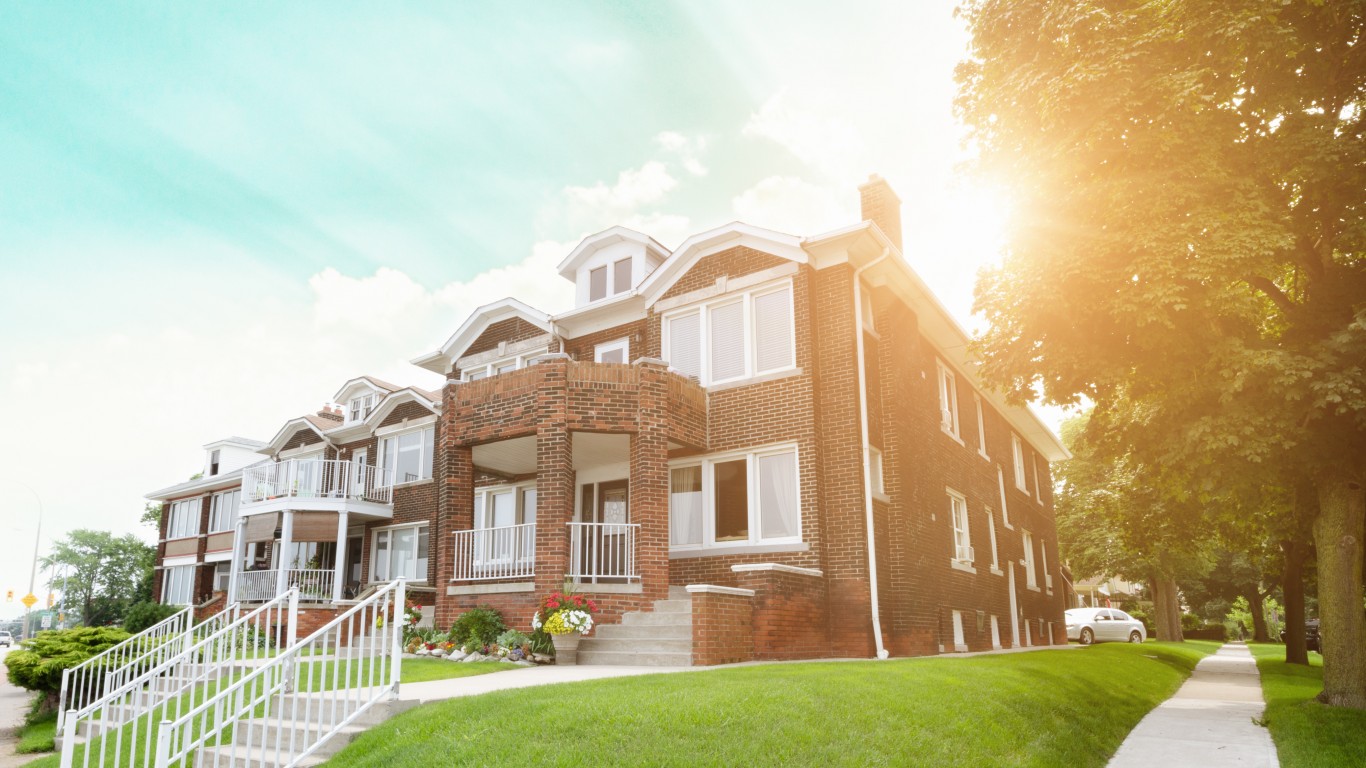
The cost of energy around most of the world has started to soar. Some of this is due to a shortage of oil and gas, brought on partly by Russia’s attack on Ukraine. Russia is the second-largest producer of crude. Leaders in some nations are considering a boycott of Russian oil. OPEC+, which includes Russia and Saudi Arabia, has to decide to keep output at planned levels. This has triggered a rise in crude prices to over $110 a barrel, which is nearly double the level a year ago.
Retail electricity rates are also rising. The U.S. Energy Information Administration recently reported that, last year, the U.S. retail electricity prices “rose at the fastest rate since 2008.” Cold weather and supply interruptions were partially to blame. Thomas Nichols, an economist at Moody’s Analytic, commented: “It’s a period where we’re seeing a historic runup in prices.”
Realtor.com’s recently released Electric Shocks: The U.S. Cities Where People Are Spending the Most—and the Least—on Energy Bills includes a look at gas and electricity bills, based on U.S. Department of Labor data. The report examines energy use and prices in the 50 largest metros. Typically, the energy burden per household is 3% to 4% of income. A figure above 6% is considered a “heavy” energy burden. Above 10% is considered “severe.”
The rankings were based on median home price per city and the mean energy burden based on energy prices and income. Cities with high home prices had the lowest burden, as might be expected. The lowest was in San Francisco, at 1.7%, against a median home price of $1.2 million in January. New York was second at 1.9%, against a median home price of $1.5 million.
[nativounit]
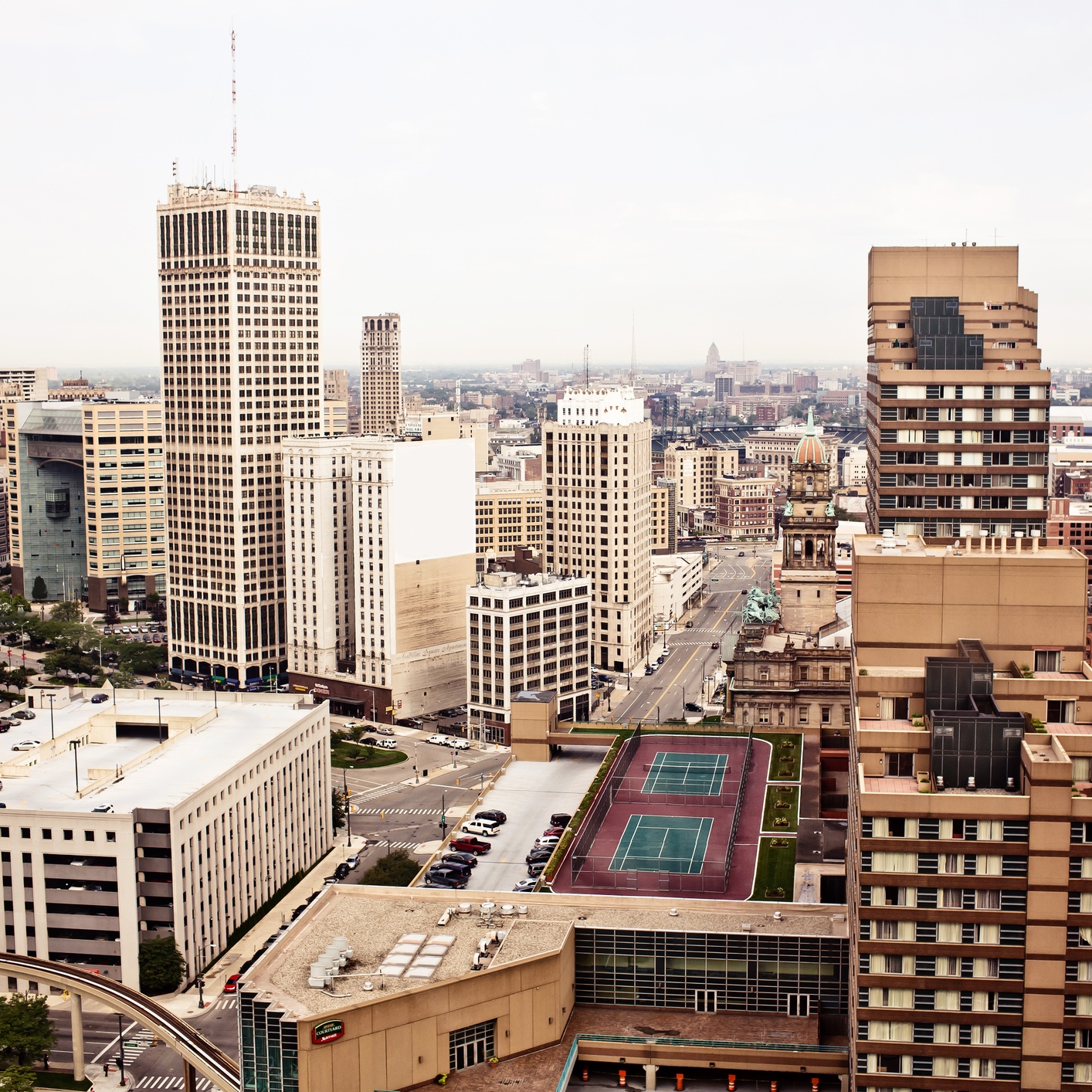
The poorest large city in the country had the highest energy burden at 7.2%. This was against a median home price of $75,000. Detroit has a poverty level of 31%, and it has lost more than half its population since 1950 as large car companies have relocated elsewhere. The authors of the study commented:
As people moved away and the city became even more underinvested, poverty rates have climbed, making it harder for folks to pay more for energy. And because 80% percent of Detroit’s housing supply was built before 1960, homes here are less likely to be energy-efficient.
Click here to see which is the poorest city in each state.
[wallst_email_signup]










 Top Gaining Stocks
 Top Losing Stocks