


By David Callaway, Callaway Climate Insights
As President Biden’s team gets down to work on new climate initiatives, one phrase they’re hoping to avoid on Capital Hill is “Green New Deal,” which has become a term synonymous with anything radical or too progressive to pass Congress. But one aspect of the strategy that has always had bipartisan political backing is the idea of re-training oil and gas well workers to transition to renewable energy.
Part of that idea is that they would first work to help plug the two million open wells in the U.S. that are leaking methane, which is 80 times more harmful to the atmosphere than CO₂ in the first few decades. As I said in my ZEUS column yesterday, that is just a start. The re-training is the important part.
But a new study out this week in Canada indicates that it is a start we urgently need to get going on. The study says both the U.S. and Canada have vastly underestimated the amount of methane spewing from these wells, and indeed might have undercounted by more than half a million wells.
Earlier this week, the U.S. Chamber of Commerce, which has historically opposed climate initiatives in Washington D.C., made a small but important step in the direction of supporting activities like regulating methane. With its powerful business members now on board, a Biden jobs plan that includes finding and plugging these wells could come within his 100-day climate sprint.
Just don’t credit the Green New Deal.
“We are not going back to the Obama years.“ Why re-joining Paris is not enough: EU notebook
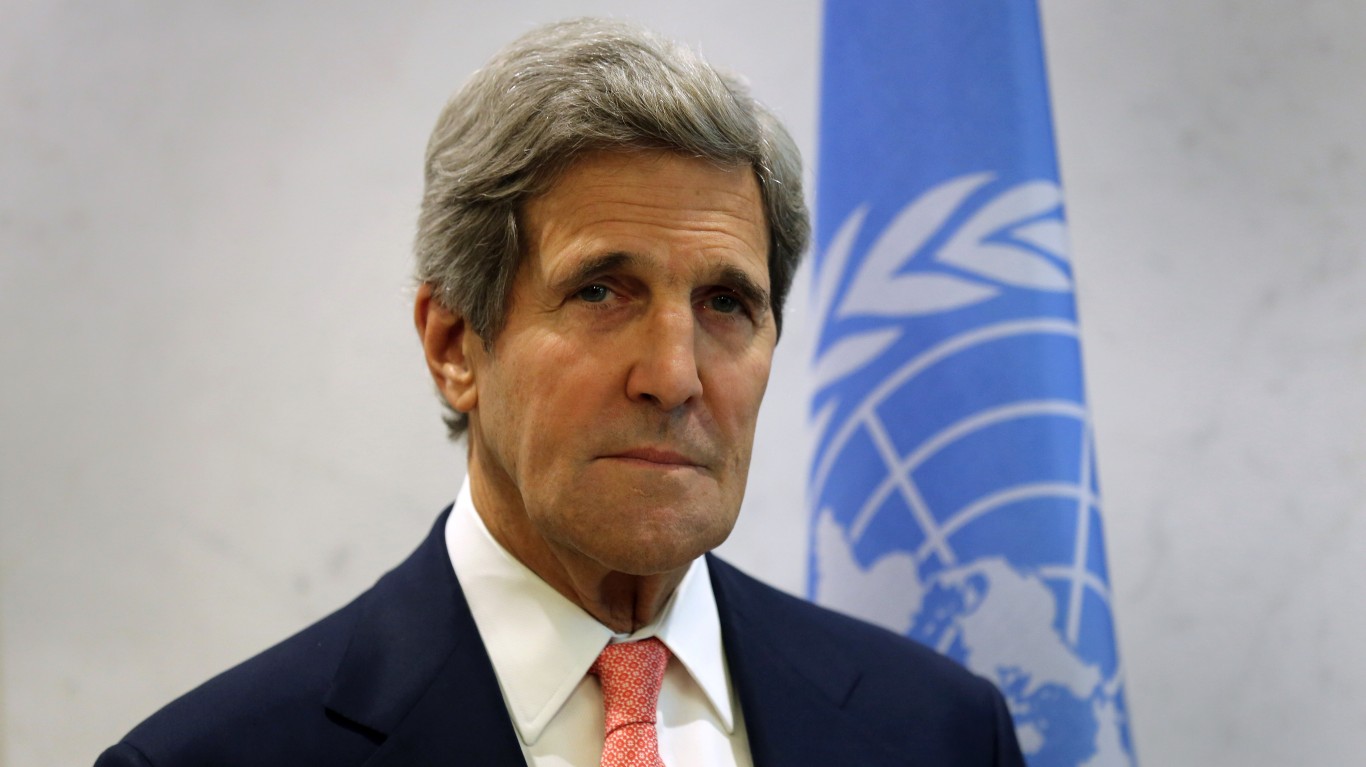
. . . . European Union officials greeted the incoming Biden administration with relief and optimism this week, but it will take more than a promise to rebuild trust after four years of Trump, writes Vish Gain from Dublin. Key to success will be John Kerry, the new climate czar and one of the founding fathers of the Paris Accord in 2015. Europeans have a long list of initiatives they’d like to work on jointly with the U.S., but they will want to first see evidence that the U.S. is getting its own climate house in order. “We are not going back to the Obama years,” said EU Climate Commissioner Frans Timmermans.
Europe is going all-in with its offer to collaborate with the U.S., having proposed a transatlantic regulatory framework for sustainable finance to boost green investments in the private sector — with lessons from the success of the EU taxonomy.
Also in its hamper basket is a proposed joint effort against deforestation, ocean protection, brokering a global plastics treaty, and a green tech alliance to create markets for clean and circular technologies such as renewables, grid-scale energy storage, clean hydrogen, and carbon capture, storage and utilization.
ESG trade faces test as fossil fuel stocks rebound in New Year
. . . . Fossil fuel stocks, after one of their worst years in a decade in 2020, are on a tear, providing the first real test of the ESG performance theme at just the time the nation is supposedly turning toward renewable energy, writes Mark Hulbert. A New Year’s rally in oil and gas stocks underscores a quiet rebound in the sector in the past few months that has suddenly attracted the attention of momentum traders. For investors who piled into environmental, social, and governance stocks and funds looking for better returns, this presents a conundrum. Profit or purpose.
This appears to already be happening. Bank of America data show that energy stocks last week experienced the second-largest inflow in nearly four years. Think about that for a second. As the presidency is assumed by someone who promises to promote clean energy, succeeding a president who actively opposed clean energy and promoted the fossil fuel industry, we’re experiencing one of the largest influxes of new money in years into fossil fuel stocks. This has the momentum traders’ fingerprints all over it. . . .
ZEUS: Trump’s out. Biden’s president. Now comes the hard part
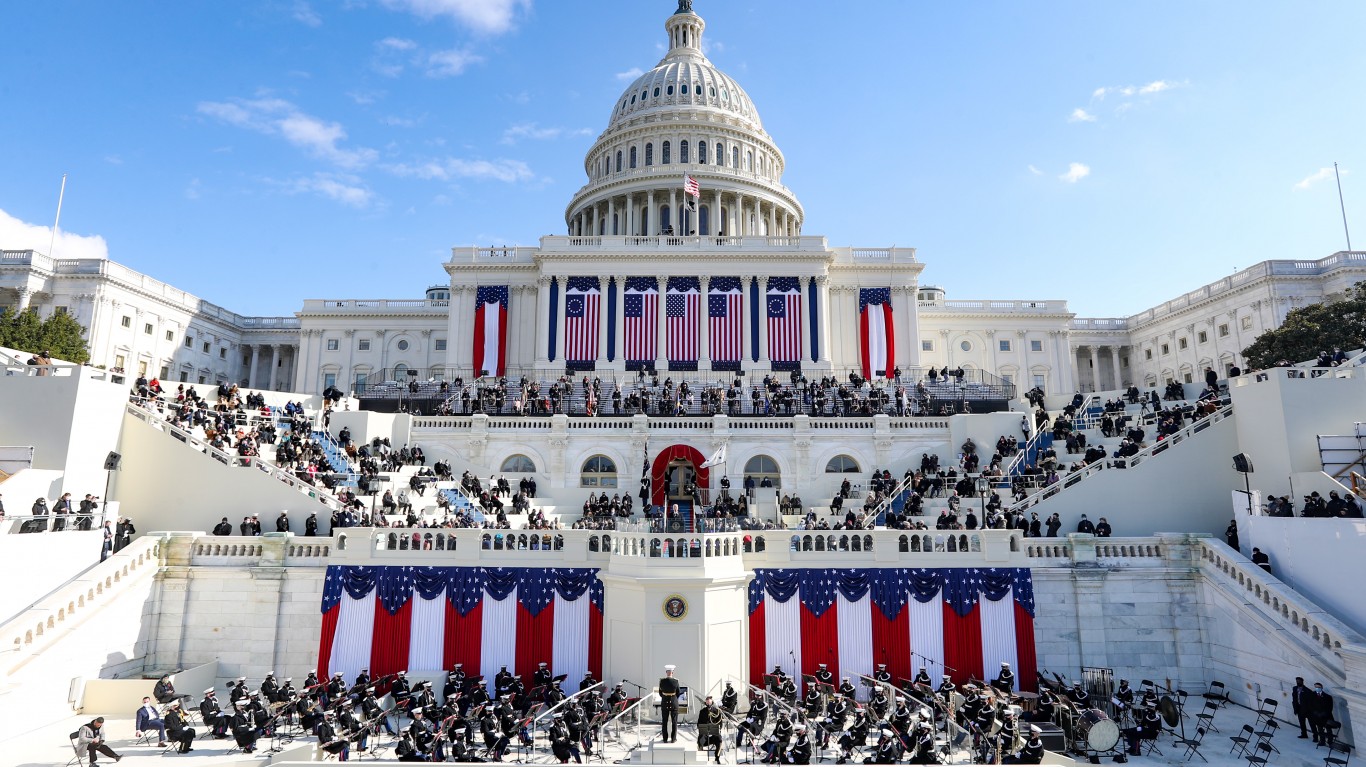
. . . . The flags have been tucked away. The music has stopped. The celebrities have gone home. A 22-year-old poet is the new social media star. Now the messy process of governing begins for the Biden administration, writes David Callaway. Repairing the damage to climate and racial justice of the Trump term will take years. President Biden has two before Congressional elections. Less than 100 weeks. For climate finance investors, the stakes have never been higher.
The president acknowledged himself that words are not enough to solve these problems. We can expect dozens of executive orders, new regulations and new proposals in the next several weeks, as a plan takes shape to make change through a series of initiatives instead of one giant new law.
This is where the new battle lines will be drawn. By fossil fuel companies committed to a slower transition. Politicians and businesses concerned about losing jobs. And as we’ve already seen even before Biden took office, the inevitable political battle over the cost of these new proposals. Can we really vaccinate the entire country and rebuild the economy with green infrastructure at the same time? Battle line No. 1. . . .










 Top Gaining Stocks
 Top Losing Stocks