


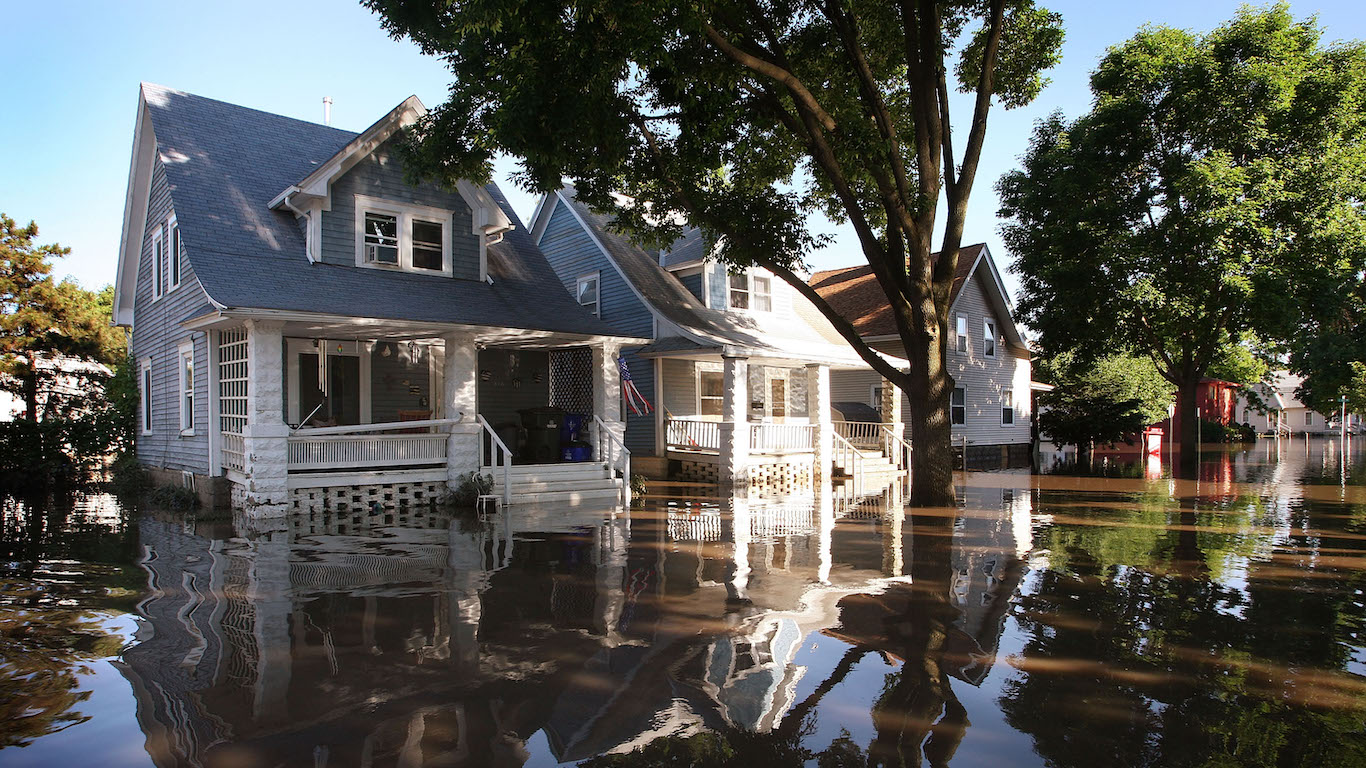
Until recently, there was hope that global warming could be curtailed if nations and businesses could cut greenhouse gas emissions. The extreme heat that would cause tens of millions of people to migrate from areas that would be uninhabitable might not cause a catastrophe. Rising sea levels might not trigger massive flooding. A new report says it may be too late to prevent these things from happening. The climate conflagration so many scientists have worried about is all but inevitable.
[in-text-ad]
A new report issued at the United Nations Framework Convention on Climate Change shows that the earth will heat up by 2.1 to 2.9 degrees Celsius by the end of the century. While this cannot be avoided, it is possible for nations to prepare, but these preparations would need to be colossal.
[nativounit]
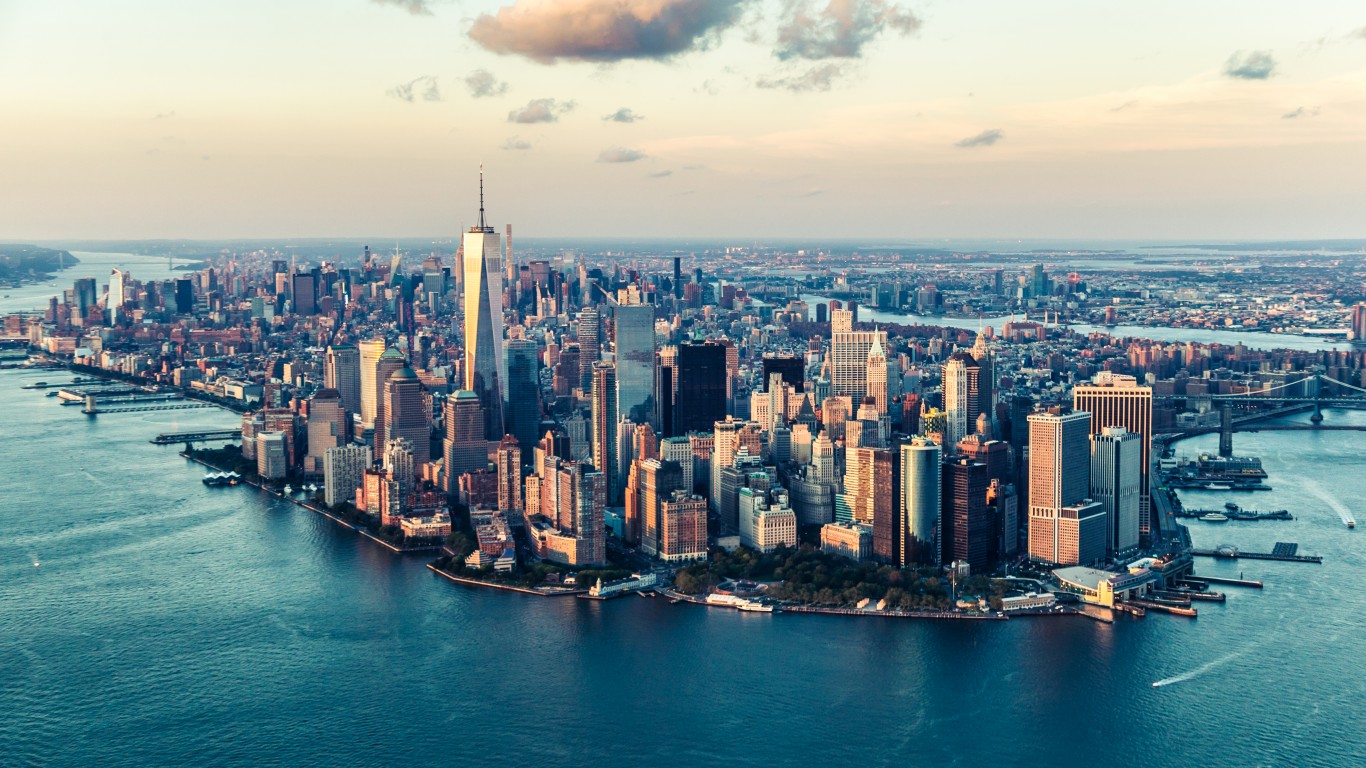
It is hard to imagine how armies of people could be moved from some of the world’s largest cities, which include metropolitan areas in India. It is just as hard to imagine what could be an even larger number of people leaving coastal cities, which are located across the world and include some in the United States. Miami, for example, could be overwhelmed by rising seas. Three million people inhabit the area around Miami. While all these are not in sections of the state that would be flooded, homes and businesses worth billions of dollars may have to be abandoned.
[wallst_email_signup]
Additionally, most large countries have barely tried to curtain emissions. This is certainly true of China and India. It is also somewhat true of the United States. In India’s case, it has sealed its fate as a country in which relocations of a large number of people may not be feasible. Where can a large number of people in large cities go to be moved inland? Infrastructure to house them and their businesses could not be built on such a scale.
[recirclink id=1177774]
Those who believe the battle with climate change can be won need to think again.
The Earth Is Getting Dangerously Hot


© JJ Gouin / iStock via Getty Images

Douglas A. McIntyre is the co-founder, chief executive officer and editor in chief of 24/7 Wall St. and 24/7 Tempo. He has held these jobs since 2006.
McIntyre has written thousands of articles for 24/7 Wall St. He is an expert on corporate finance, the automotive industry, media companies and international finance. He has edited articles on national demographics, sports, personal income and travel.
His work has been quoted or mentioned in The New York Times, The Wall Street Journal, Los Angeles Times, The Washington Post, NBC News, Time, The New Yorker, HuffPost USA Today, Business Insider, Yahoo, AOL, MarketWatch, The Atlantic, Bloomberg, New York Post, Chicago Tribune, Forbes, The Guardian and many other major publications. McIntyre has been a guest on CNBC, the BBC and television and radio stations across the country.
A magna cum laude graduate of Harvard College, McIntyre also was president of The Harvard Advocate. Founded in 1866, the Advocate is the oldest college publication in the United States.
TheStreet.com, Comps.com and Edgar Online are some of the public companies for which McIntyre served on the board of directors. He was a Vicinity Corporation board member when the company was sold to Microsoft in 2002. He served on the audit committees of some of these companies.
McIntyre has been the CEO of FutureSource, a provider of trading terminals and news to commodities and futures traders. He was president of Switchboard, the online phone directory company. He served as chairman and CEO of On2 Technologies, the video compression company that provided video compression software for Adobe’s Flash. Google bought On2 in 2009.










 Top Gaining Stocks
 Top Losing Stocks