


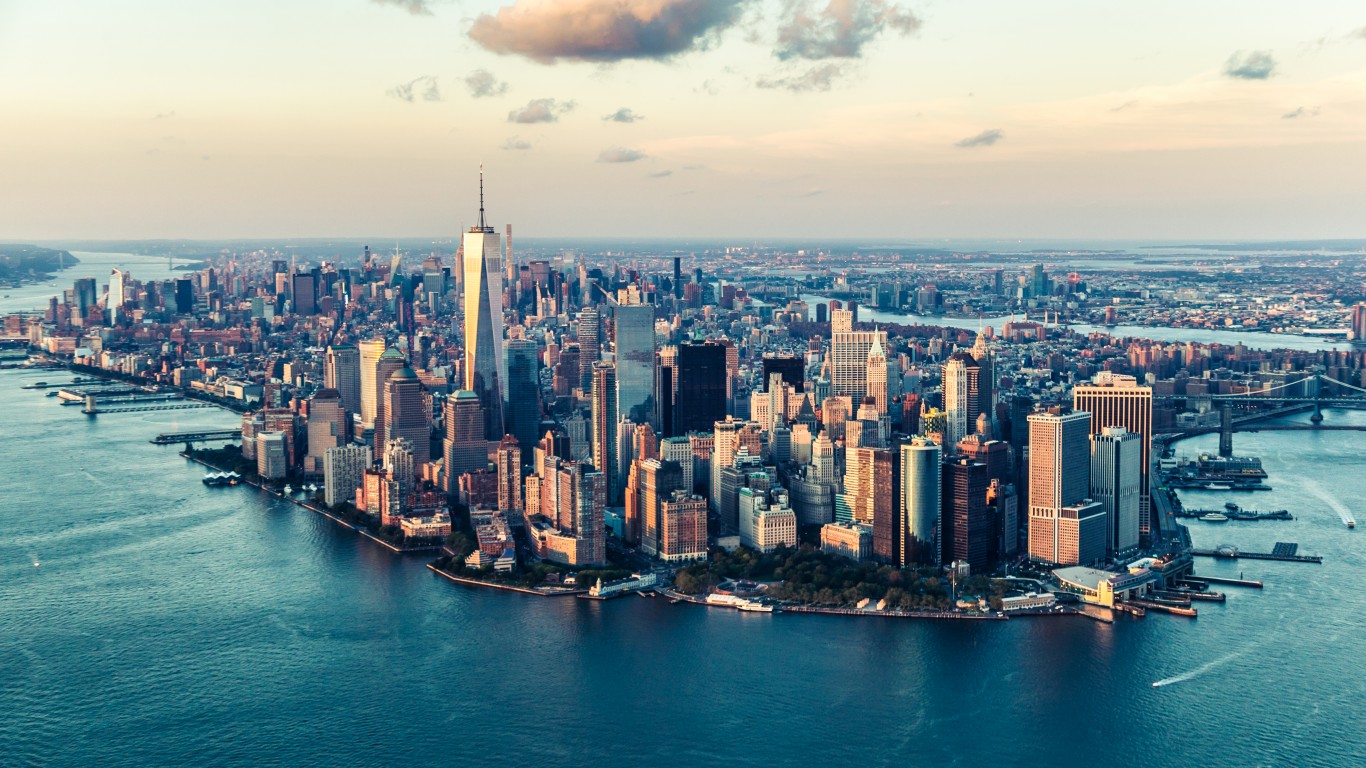
When Hurricane Sandy hit New York City in late October 2012, it flooded the Holland Tunnel, swamped the lower tip of Manhattan and killed power on the southern half of that borough. City officials began to look at ways to protect the island from another catastrophic storm. It has presented its plan, a series of blockades around the bottom of the island at a possible cost of $10 billion.
Right after the storm, engineers offered a series of solutions, which ranged from sea walls to creating a great swamp that would break up surging floodwaters. The ideas were all rejected or shelved. Seven years later, New York Mayor Bill de Blasio has offered a solution. The projects would allow the city to reclaim 500 feet of shoreline, an extraordinary extension of two blocks around much of Manhattan. Over time, the protection would be against another storm like Sandy, which caused one of the worst floods in American history.
New York has had a Lower Manhattan Coastal Resiliency project in the works for years. Finally, it will spend $500 million for four projects that are the start of defending the city from another Sandy-like disaster. The plans would build a buffer from the South Street Seaport on Manhattan’s lower east side, across the financial district at the south end of the island.
Mayor de Blasio said the programs are largely meant to counter the effects of weather changes that have challenged cities across the globe. He said, “Hurricane Sandy showed us how vulnerable areas like Lower Manhattan are to climate change. That’s why we not only have to reduce emissions to prevent the most cataclysmic potential effects of global warming, we have to prepare for the ones that are already inevitable.” A flood the size of the ones created by Sandy extended well down the shores of New Jersey. At the time, weather experts called it a “100-year storm.” New York State Governor Andrew Cuomo commented at the time that New York City “has a 100-year flood every two years now.”
[nativounit]
De Blasio’s engineers assume that by 2050, 37% of property in lower Manhattan will be at risk for storm floods. By 2100, the sea could rise six feet due to the effect of global warming. At that point, half of the property in the same part of the city will be at risk. It is hard to imagine a cataclysm of that size. However, scientists have forecast similar catastrophes from Miami to cities on oceans around the world.
Will there be another storm like Hurricane Sandy? Some people who work with De Blasio think so. Catherine McVay Hughes, former chair of Manhattan Community Board 1, said, “Climate Change: the science is clear and the threat is real. Every day we wait to begin Lower Manhattan resiliency raises the price and increases the risk of devastation by another superstorm. The success of this project requires engineering expertise and continuous community engagement.” If Cuomo is right, the next storm may be just around the corner. And, even with a $10 billion expenditure, it may not prevent an incident from 27 climate changes that cannot be stopped.
[recirclink id=534370]
[wallst_email_signup]







 Top Gaining Stocks
 Top Losing Stocks