


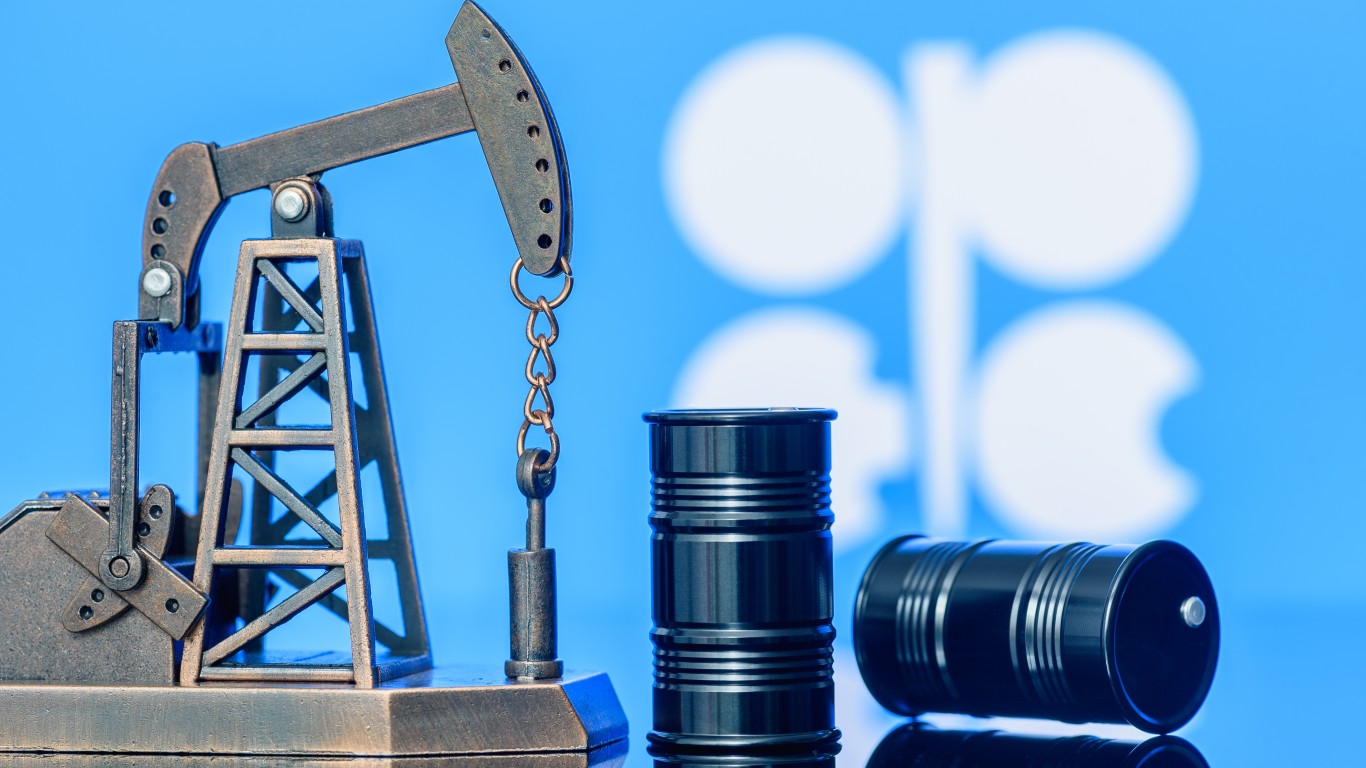
The Organization of the Petroleum Exporting Countries (OPEC) recently announced that it wanted to increase its oil supply. But will it be enough to lower gas prices? Why would an increase in oil supply actually lead to higher prices? Some experts expect this to happen. Here is what they said.
We looked beyond the propaganda of government and government-aligned news outlets and personalities to see what economists and experts think might actually happen and why the oil supply might not always lead to lower prices at the pump.
Background on OPEC
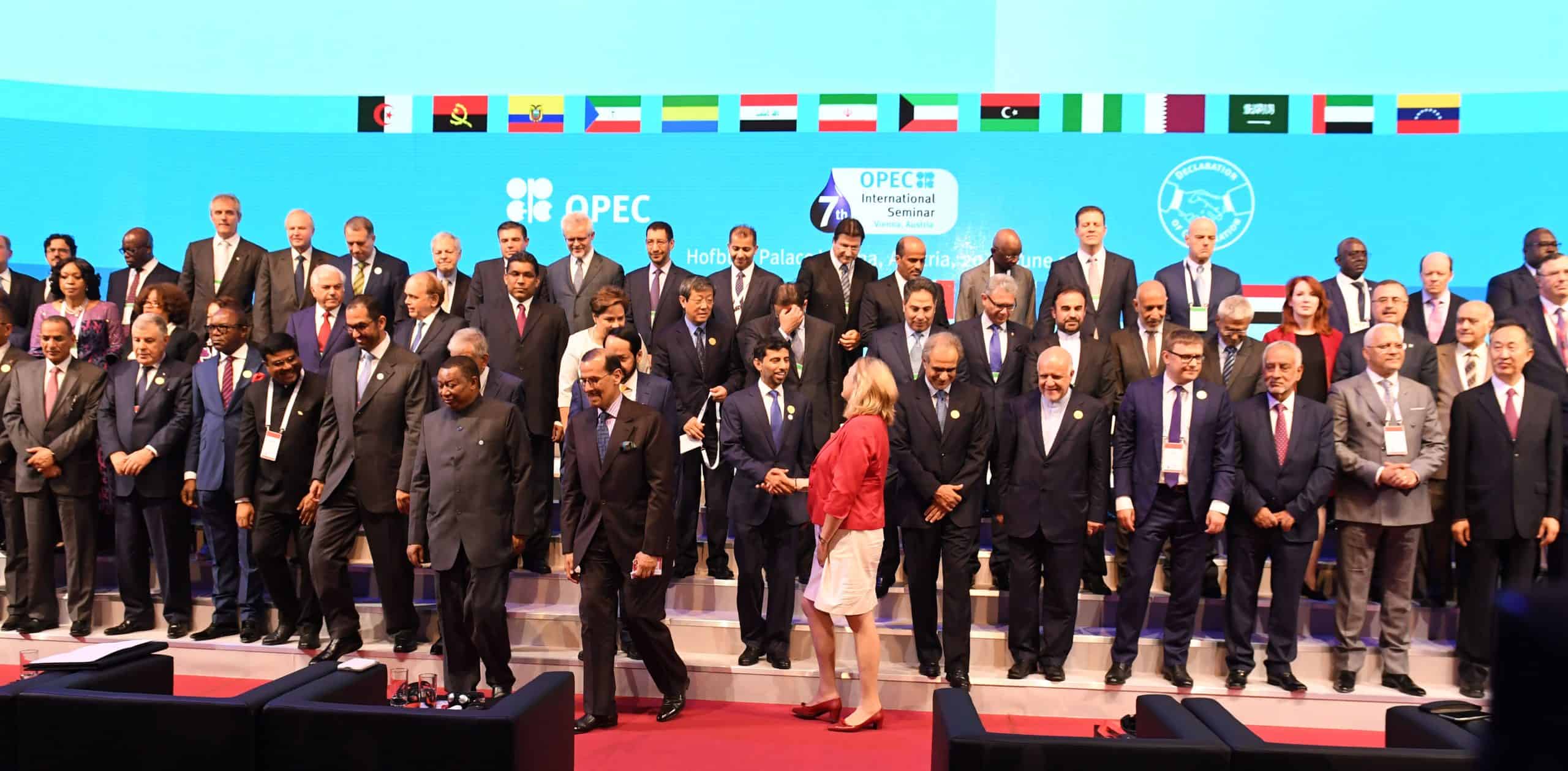
A photo of the OPEC Seminar.
OPEC is an organization of 12 of the countries responsible for oil production in the world. It includes Algeria, the Republic of the Congo, Equatorial Guinea, Gabon, Iran, Iraq, Kuwait, Libya, Nigeria, Saudi Arabia, the United Arab Emirates, and Venezuela.
Together, these countries are responsible for more than 38% of all oil production and control around 80% of the world’s oil reserves.
OPEC was organized to wrest control of oil production and refinement away from Western oil companies and return it to the oil-producing countries. Even with so much control over supply and production, OPEC has little influence over worldwide oil supply and prices, but it does have more impact than other individual countries.
Recent announcements from OPEC and OPEC+ (a larger organization with more oil-producing nations) said that the organization would increase oil production in May of 2025.
Why More Oil Doesn’t Mean Lower Prices
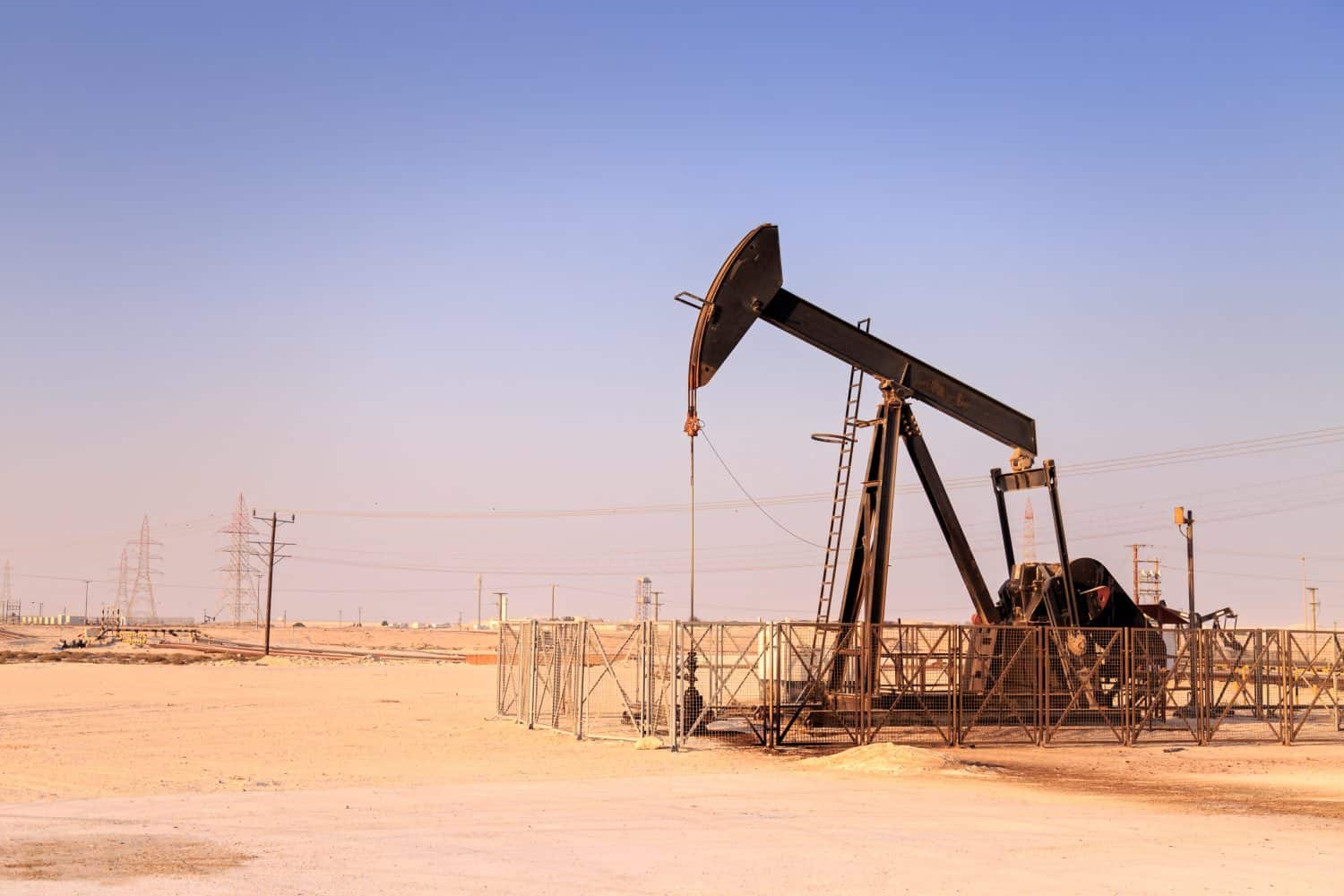
Photo of an oil well.
There are a handful of reasons why an increase in oil production might not lead to lower prices.
First, some of the nations in OPEC+ are already exceeding their production quotas, so some experts believe that raising the level of oil production quotas is actually an attempt to improve compliance with OPEC rules instead of actually increasing the amount of oil being produced. It is possible that the amount being produced actually stays the same while the quotas increase.
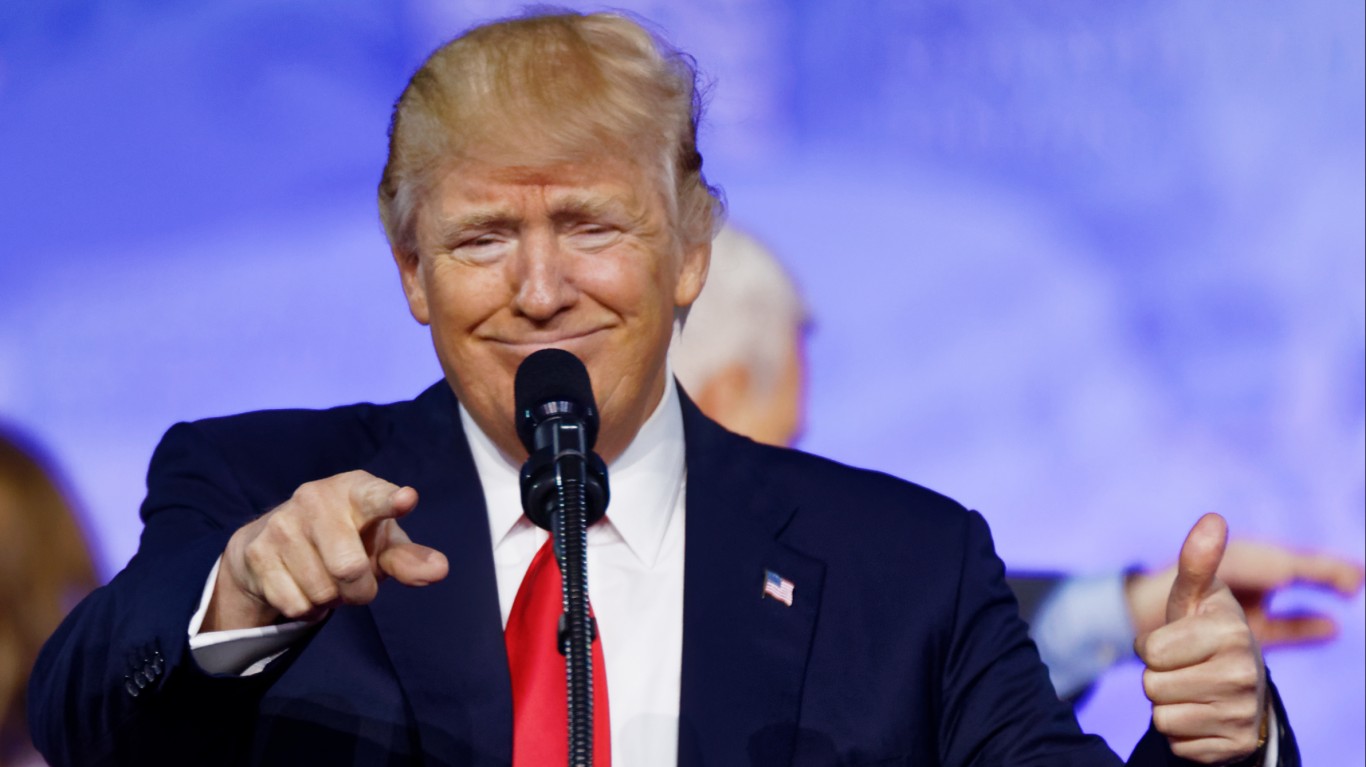
Second, the United States imports most of its oil from Mexico, with a substantial amount coming from Canada. President Trump recently announced wide and heavy tariffs on imports from both countries, which would increase the price of oil and oil-related or oil-derivative products far more than a production increase would lower them.
Trump has also made threats against Russia, and Iran, two major oil producers, while threatening tariffs on China and India who are two of the largest consumers of Russian and Iranian oil. These threats and tariffs have a two-fold impact: the tariffs would cause the oil prices to increase dramatically to and from those countries, while the increased tension between the U.S. and its enemies causes nervousness and uncertainty about the stability of the oil industry, which also leads to higher prices.
Given the U.S.’s addiction to oil and gas, it is unlikely that Washington would let higher prices slide for too long, and the threat of military or economic action further causes uncertainty in the industry.










 Top Gaining Stocks
 Top Losing Stocks