


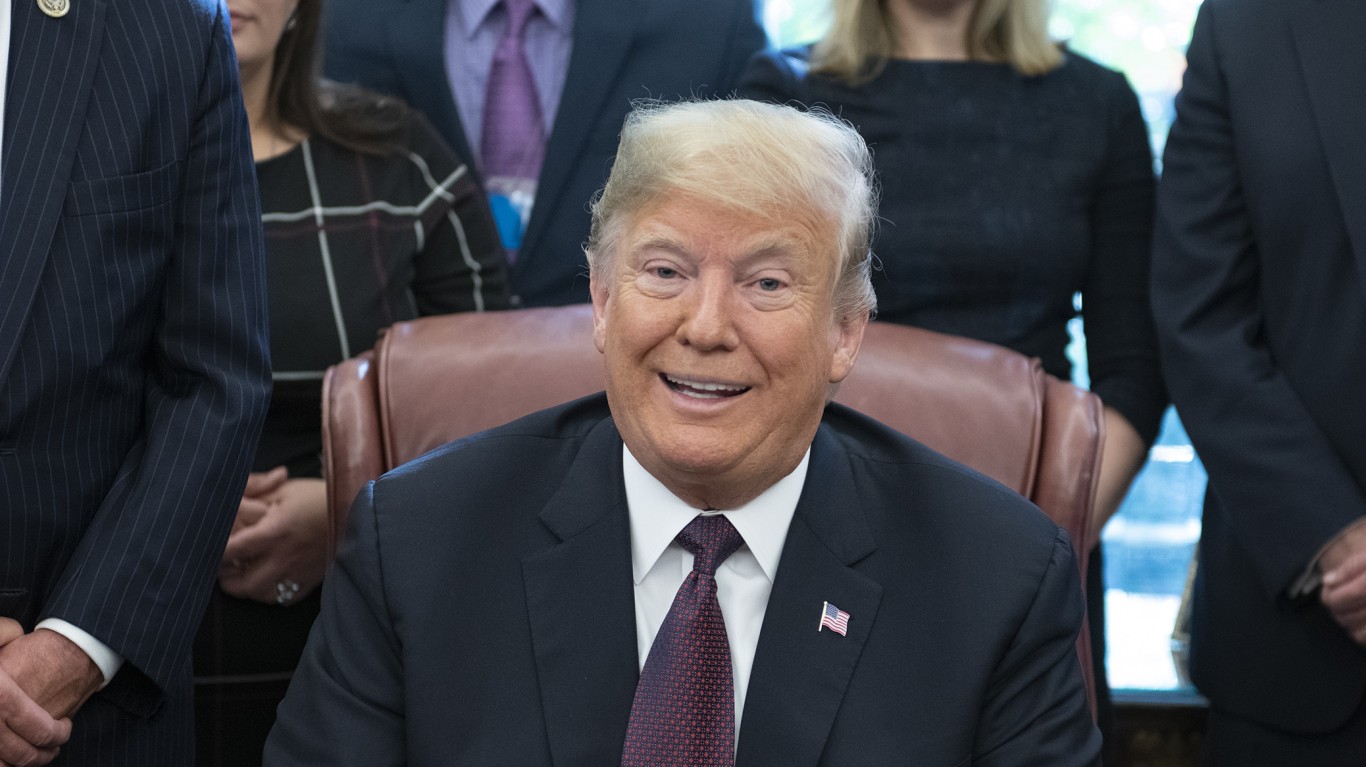
During his 2024 election campaign, Donald Trump promised the American people that he would lower grocery prices, directly addressing a major pain point for millions of citizens that other politicians refused to acknowledge or address. But what proposals has he announced that will accomplish this, and what do experts say is going to happen to prices in the future?
It would be foolish, of course, to take anything a politician says before they are elected as anything resembling truth or actual promises to which we can hold them accountable. And yet, millions of Americans are waiting for grocery prices to come back down. Will they be disappointed? Here is what the experts say.
The Cause of High Grocery Prices
Buying groceries.
It is hard to overestimate the struggles that people in America are facing today, with high grocery prices being only one. Increasingly frequent natural disasters, rampant gun violence, corruption, increasing rent prices, companies’ control over local politics, and corporate greedflation are all contributing to making life unbearable for people today. And the projection for tomorrow seems to be only worse.
It is true that inflation reached extremely high levels in the past few years, but that doesn’t account for the full increase in the price of groceries.
Subsequent financial analysis by economists and industry experts has shown that the primary driver behind the sky-high prices of groceries throughout the country is corporate greed. If inflation were the key factor in the high prices, then companies would also be suffering the rise in prices across the board. However, corporations have shown record profits in the past couple of years, and a look into their supply chains shows that they have been increasing their prices for no other reason than to generate higher revenue.
There is only so much a government can do to combat inflation, yet there are many more options open to officials to curb corporate greed and corruption. Whether they will be willing to implement those options is another question entirely.
Any policy or law that tries to lower grocery prices without addressing corporate greed or curbing the power of corporations to price gauge their customers will never create the reduction in prices it is intended to.
Donald Trump’s Promises
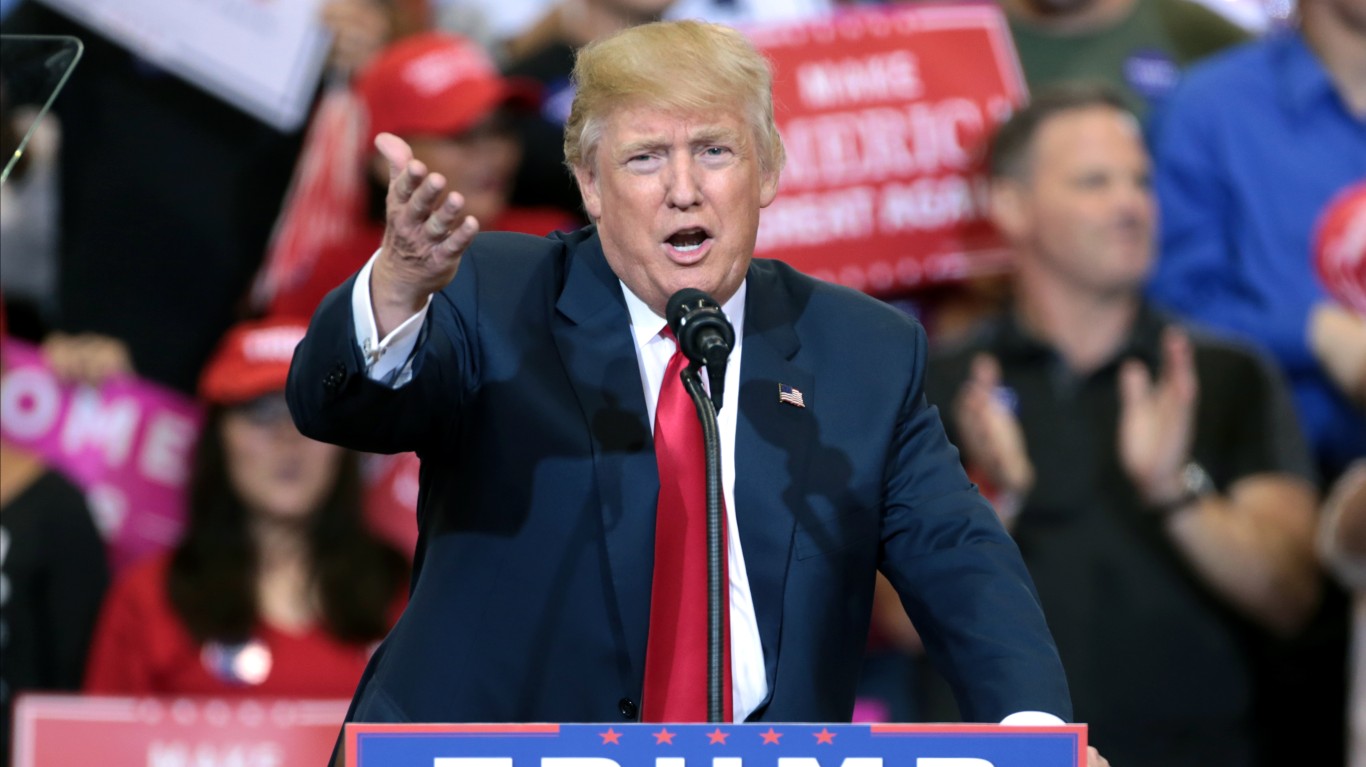
Donald Trump.
Throughout his campaign, Donald Trump addressed the problem of high prices and promised to bring prices down.
Trump has said that reducing prices will be challenging but has made one specific promise to do so: increasing domestic energy production. He said that American farmers use huge amounts of energy at every step of the farming process, and high energy prices and limited fuel is what contribute to high grocery prices. Therefore, he has promised to increase our domestic energy production, though he did not go into specifics about how he would accomplish this.
Higher amounts of energy production can lead to lower energy costs, but domestic oil companies are already producing at record-high levels and their incentive to lower prices is extremely limited.
He has made no other promises or announced any other specific plans to address high prices.
What Can He Actually Do?
A grocery store.
The office of the president actually has few options available to them to directly lower the price of groceries.
First, inflation is largely under the purview of the Chairman of the Federal Reserve, who can raise or lower interest rates to help keep inflation in check. The president has no control over the operation of this office.
Second, supply chains are owned and controlled by private companies. These companies have no incentive to lower prices individually and the president can’t step in and force them. There are some more drastic actions Trump could take or some executive actions that might influence some industries, but it is unlikely the Republican party would tolerate the government telling companies what to do.
The Impact of the Trump Policies
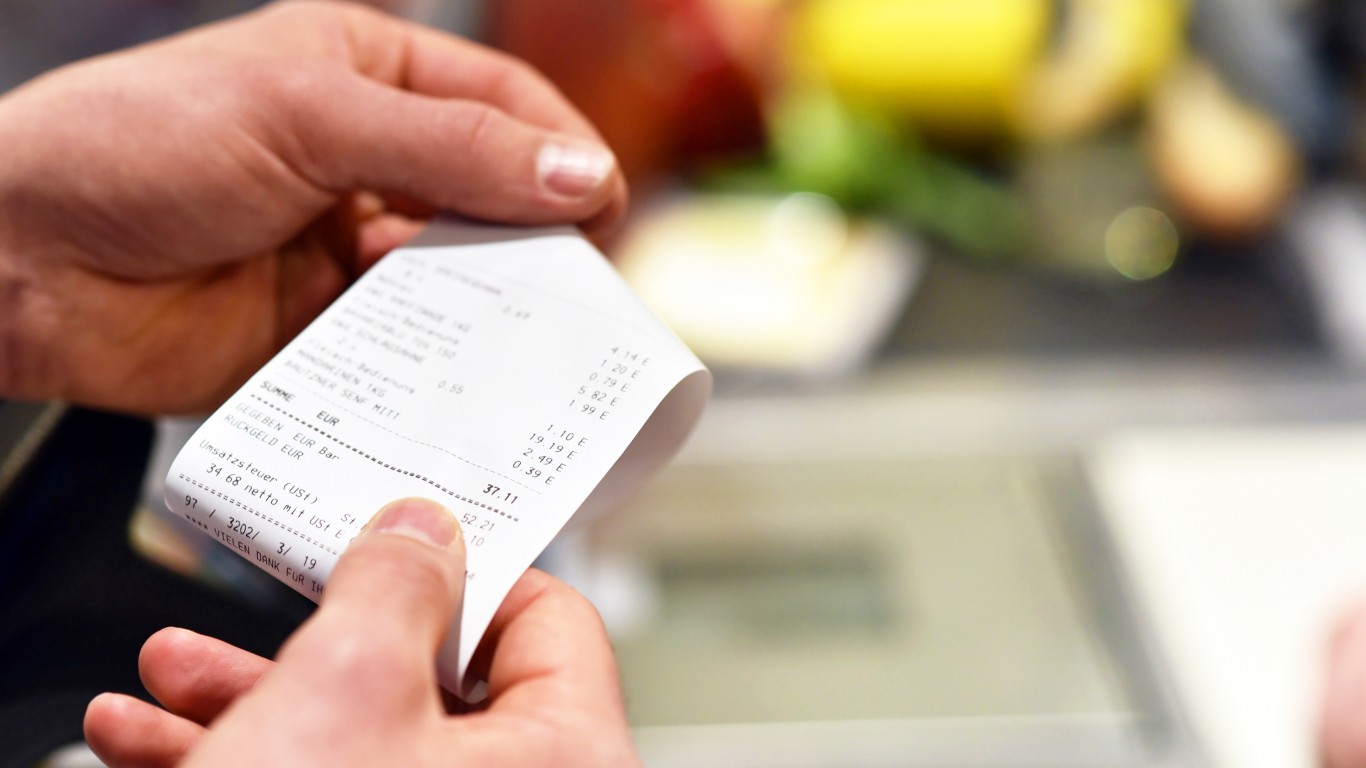
A grocery receipt.
Even if, by some miracle, Trump does manage to implement some of his proposed policies intended to reduce grocery prices, it is more likely (according to experts) that any reduction will be immediately and substantially erased by Trump’s other announced plans.
First, Trump has announced massive deportations of Americans, both illegal migrants and citizens alike. But it should be remembered that the largest cost of our modern grocery and food production supply chain is labor costs, and American companies take advantage of illegal immigrants for much of our food, paying them wages far lower than the law allows. By deporting these people, companies will not only be forced to hire more expensive American citizens, but the food production will also drop dramatically, sending prices into the stratosphere.
Second, Trump has announced he will impose extremely high tariffs on imports from many other countries, including tariffs of up to 100% on goods from Mexico. And yet it seems that many Americans, especially those on the political right, don’t seem to understand that tariffs always increase the prices of goods, and negatively impact producers, importers, exporters, and consumers, with the end user always taking the biggest hit. It is established economic science that tariffs are always self-defeating and always cause prices to increase across the board, not just on the imported goods.
What Will Happen With Grocery Prices in 2025?
Buying groceries.
Most economists and social scientists say that, in all likelihood, grocery prices will continue to increase, and the problem might even get worse.
Since the two major political parties seem utterly disinterested in actually addressing the issue or attacking the root causes of the price increases, American companies probably feel like they’re getting away with gauging their customers, and will see how far they can squeeze consumers in the pursuit of profit.
Inflation will never truly go away, but since a greater portion of our money goes to living expenses and we get less money in wages and interest rates, we will be less able to keep our heads above the water as inflation continues to rise. Gradually, our purchasing power has been decreasing over the last few decades, meaning we are less able to afford basic necessities today than our parents were. This problem shows no sign of slowing down.
It is extremely unlikely that the increase in grocery prices will slow down, let alone drop at all. Given the inaction of both major political parties and the weakening of labor unions, the increases that have already happened are likely to be permanent, putting a perpetual dent in the income of Americans.








 Top Gaining Stocks
 Top Losing Stocks