


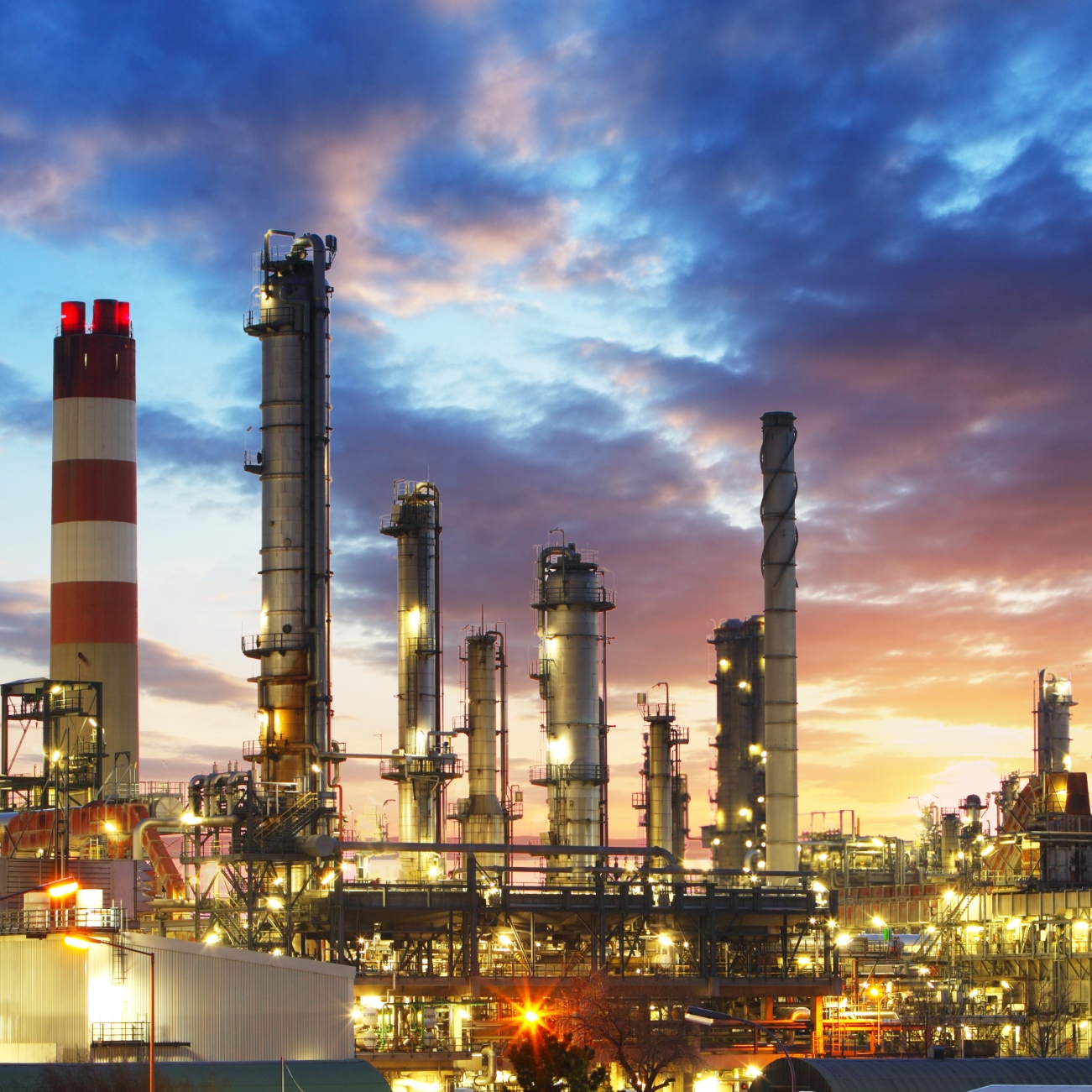
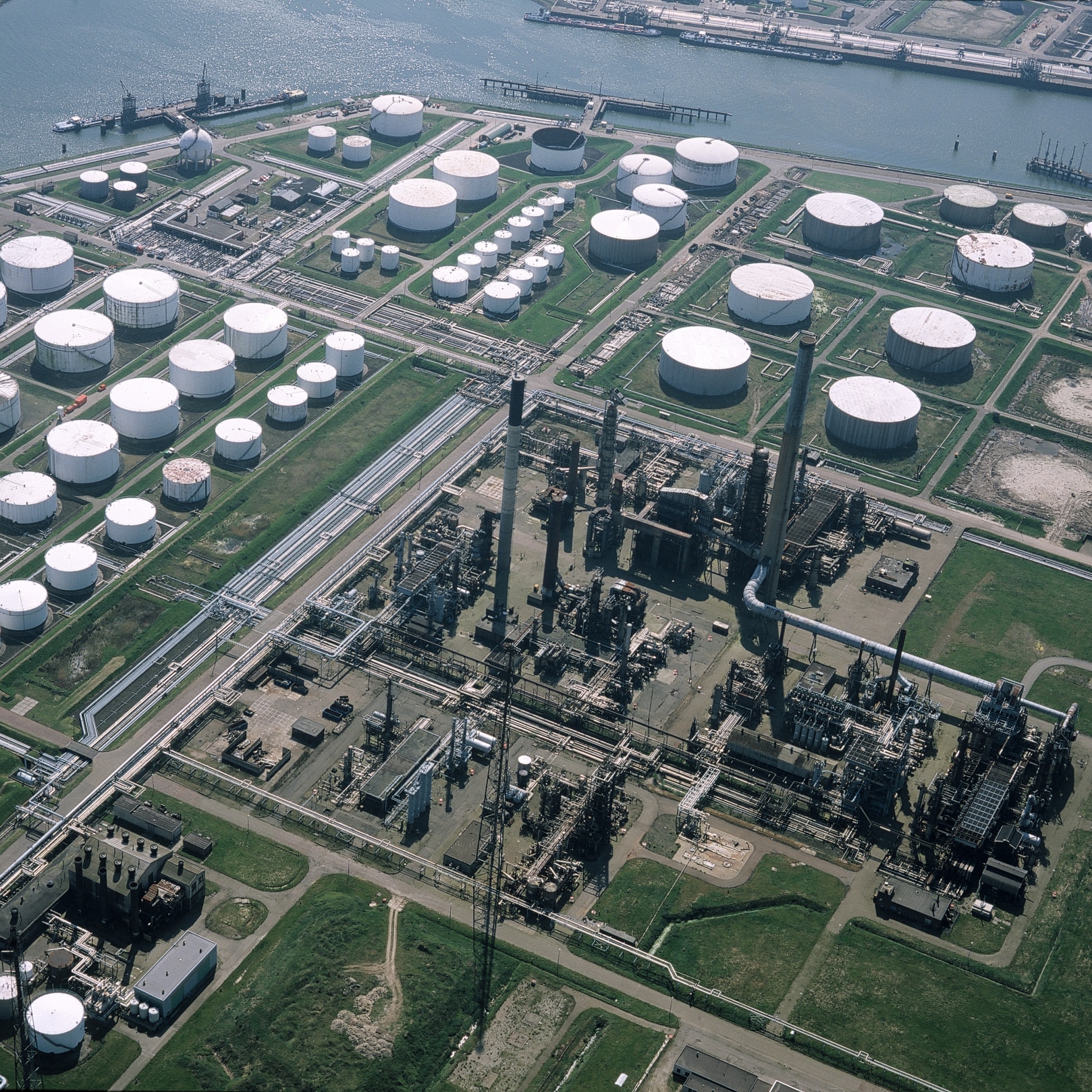
 Flying J Oil, Inc., a privately-held oil company headquartered in Ogden, Utah, filed for bankruptcy protection under Chapter 11 on December 22nd. The company owns and operates more than 250 retail outlets in the western US; produces oil and gas in eastern Utah and eastern Montana; owns and operates a 70,000 barrel/day refinery in Bakersfield, California; and owns the 700-mile Longhorn pipeline that carries 70,000 barrels/day of gasoline from the Gulf Coast to El Paso, Texas.
Details of the filing are scarce, but the Salt Lake Tribune reported that the company estimated its liabilities at $100-$500 million, and its assets at more than $1 billion. According to the newspaper, the company’s president stated that "the decline of oil prices happened so quickly that Flying J didn’t have time to convert assets that weren’t tied to petroleum prices into cash that could fund its obligations."
In March 2005, the company purchased the Bakersfield refinery from Royal Dutch Shell plc (NYSE:RDS.A). The refinery had all but shut down at the time, but Flying J brought it back into full production. The revived refinery buys its oil from a number of local independent oil producers, most of which depend on it for all or most of their income. The refinery produces about 6% of California’s supply of diesel fuel and 2% of the state’s gasoline.
Flying J also expanded its retail operations at a time when major integrated oil companies such as Exxon Mobil Corporation (NYSE:XOM), ConocoPhilips Corporation (NYSE:COP), and Chevron Corporation (NYSE:CVX) were looking to shed retail travel centers and filling stations . While retail operations could cope with high pump prices, they can not adjust equally well to rapidly falling prices coupled with declining traffic.
People aren’t driving as much because they’re using the money to pay for food and rent and clothing. The weakness and fear in the overall economy trumps lower gasoline prices. It’s that simple.
Oil exporting countries, indeed all oil companies, need prices to rise, and that won’t happen until the global economy turns around. Withholding supply, as OPEC plans to do, won’t cause the price to rise unless OPEC turns off the tap completely–and the OPEC countries can’t afford to do that.
We noted the squeeze on refiners earlier this week. Overall, the oil majors could show weaker than expected results for the fourth quarter. Crude prices have fallen through the floor, refining margins have tanked, and costs have risen. Fortunately for Exxon and the other majors, they have very large deposits of cash. They’re going to need it.
Paul Ausick
December 26, 2008






 Top Gaining Stocks
 Top Losing Stocks