


 Analysts already noted the increase in oil prices resulting from the fighting in Gaza. Neither the Palestinians nor the Israelis controls any oil–as the late Israeli Premier Golda Meir famously remarked: "[Moses] took us 40 years through the desert in order to bring us to the one spot in the Middle East that has no oil!" So why the price boost?
There is fear among traders that war will accomplish what OPEC production cuts have not: a real decline in the amount of oil available on the market, leading to higher prices. That might happen; and if it does, OPEC gets its price boost while it dithers around with virtually non-existent production cuts.
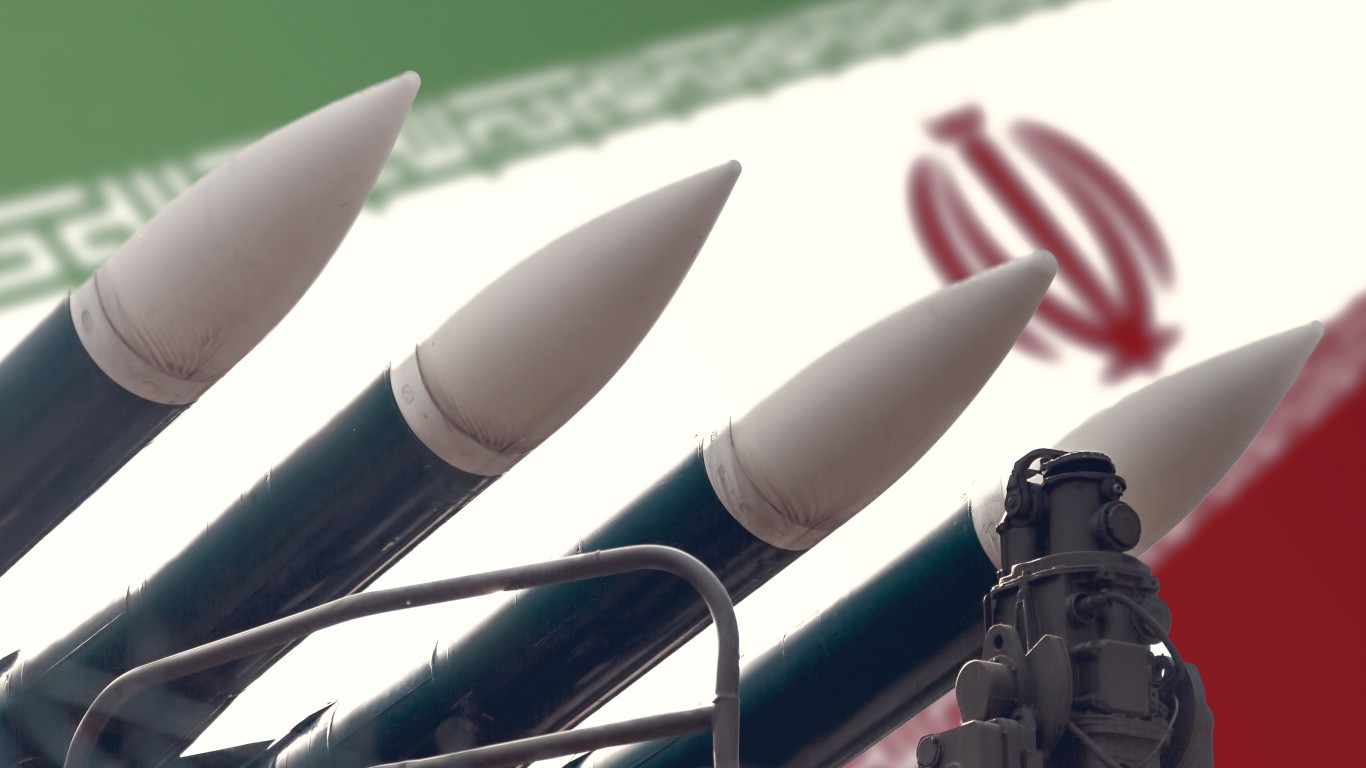
But one OPEC country gains even more than higher prices for oil: Iran. Hamas, like Hezbollah in Lebanon, gets funding from Iran. The Iranians deny this, but Hamas itself has acknowledged receiving $120 million from Iran over the years. Whether or not Iran instructed Hamas to break its cease-fire, the timing seems pretty propitious for Iran.
The New York Times reported last week that Iran’s parliament is considering a proposal from President Ahmadinejad to end gasoline subsidies in the country. Iranians now pay about 36 cents a gallon for gasoline, and the government subsides amount to $100 billion a year. Subsidies would also end on heating gas, electricity, and water.
Iran’s plan to build seven new refineries must also come to grips with the fall in oil prices. Remarkably, Iran imports 40% of its refined product, and pays international market prices for it. The new refineries, estimated to cost about $27 billion, probably can not be completed on schedule with crude oil prices below $75/barrel. Iran needs higher prices for crude and lower prices for gasoline.
Higher gasoline prices in Iran will almost inevitably lead to inflation and unemployment. Iran’s poor have seen their government allowances drop from $70 a person per month to just $20. Couple this with already high unemployment and a young population that doesn’t think it has anything to lose, and who knows what could happen. Poverty, inequality, and youth helped overthrow the Shah in 1979. The Islamic Republic is not so strong that it could resist a widespread uprising.
The increase to oil prices since the fighting started in Gaza will make it easier for Iran to meet its domestic commitments. It also focuses the attention of many Iranian young people on their hatred of Israel. Some 10,000 young Iranians are said to have begged the government to allow them to train as suicide bombers.
Israel and Hamas are not fighting over oil. Yet the impact on oil prices is real. And Iran stands to gain both from higher prices and from having something other than the Iranian economy to occupy the minds and the passions of its people.
Paul Ausick








 Top Gaining Stocks
 Top Losing Stocks