


 Natural gas prices in the US rose to more than $4.80/thousand cubic feet (tcf) in June, and have trailed off to under $3.20/tcf today. In late 2005, natural gas spot prices topped $15/tcf and in the summer of 2008, spot prices rose above $13/tcf. The collapse is entirely due to the development of shale gas.
Big users of natural gas, like chemical companies Dow Chemical Co. (NYSE: DOW) and E.I. du Pont de Nemours & Co. (NYSE: DD), want the price of natural gas to stay low. Producers like Exxon Mobil Corp. (NYSE: XOM) and Chesapeake Energy Corp. (NYSE: CHK) would like to see prices rise. And there’s at least one company that would like to help the producers boost prices — Cheniere Energy, Inc. (AMEX: LNG).
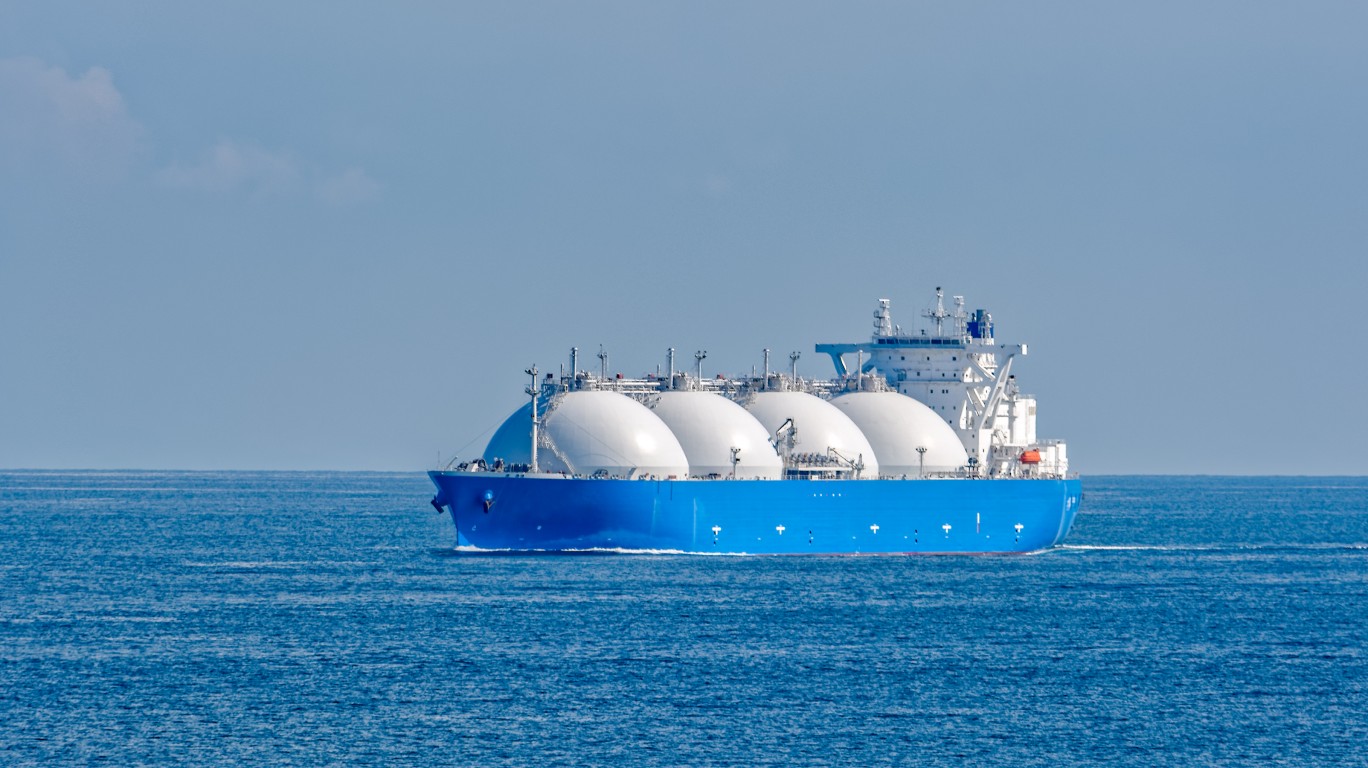
Cheniere’s original plan was to build an import facility in the Gulf of Mexico to convert liquefied natural gas (LNG) back to a gas and pipe it onshore for sale. The boom in shale gas production killed that idea, but the company’s plant at Sabine Pass is built and now the company wants to convert the plant to an export facility that would liquefy US-produced natural gas, load the LNG onto tanker ships, and send it to Japan or India or Korea where prices are nearer $13/tcf than $3/tcf.
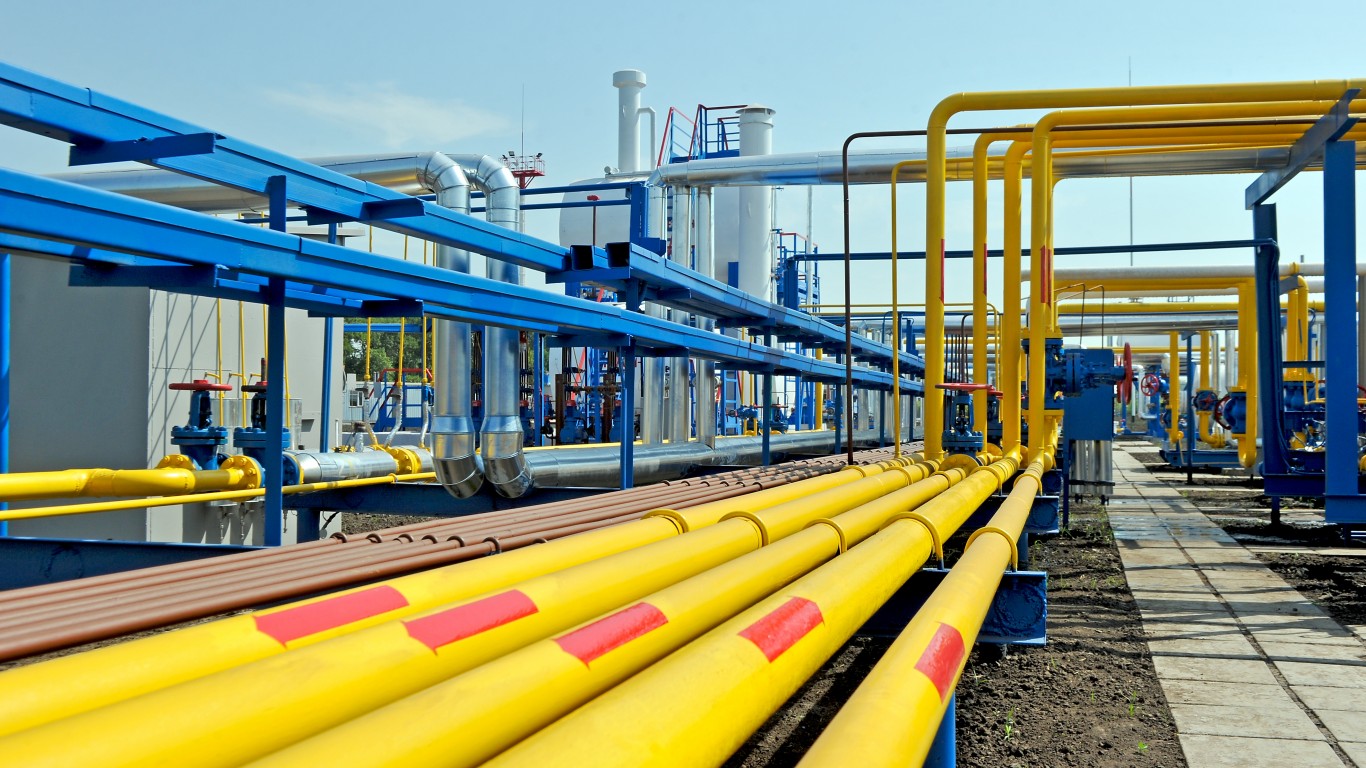
The Wall Street Journal has a story today about resistance to Cheniere’s export plan because it would almost certainly raise domestic natural gas prices. Unlike oil, natural gas is primarily a regional product and its sale depends on pipelines connecting regional producers with regional customers. The development of liquefied gas plants has not yet had much impact on regional pricing, but if the US continues to find and develop shale gas reserves, producers will need to find additional markets.
Big consumers of domestic natural gas want the prices to remain low, and are gearing up for a campaign against US liquefaction facilities. The battle lines are being drawn over jobs, with Dow, for example, arguing that higher natural gas prices will lead to a loss of US manufacturing jobs. The energy companies argue that export facilities will create construction and production jobs.
The US Department of Energy is studying the issue and is expected to release a report in the next few weeks analyzing the effect of exports on domestic supplies and pricing. Depending on the conclusions of that report, one side will claim government interference in the market and the other will claim vindication. Stay tuned.
Paul Ausick











 Top Gaining Stocks
 Top Losing Stocks