


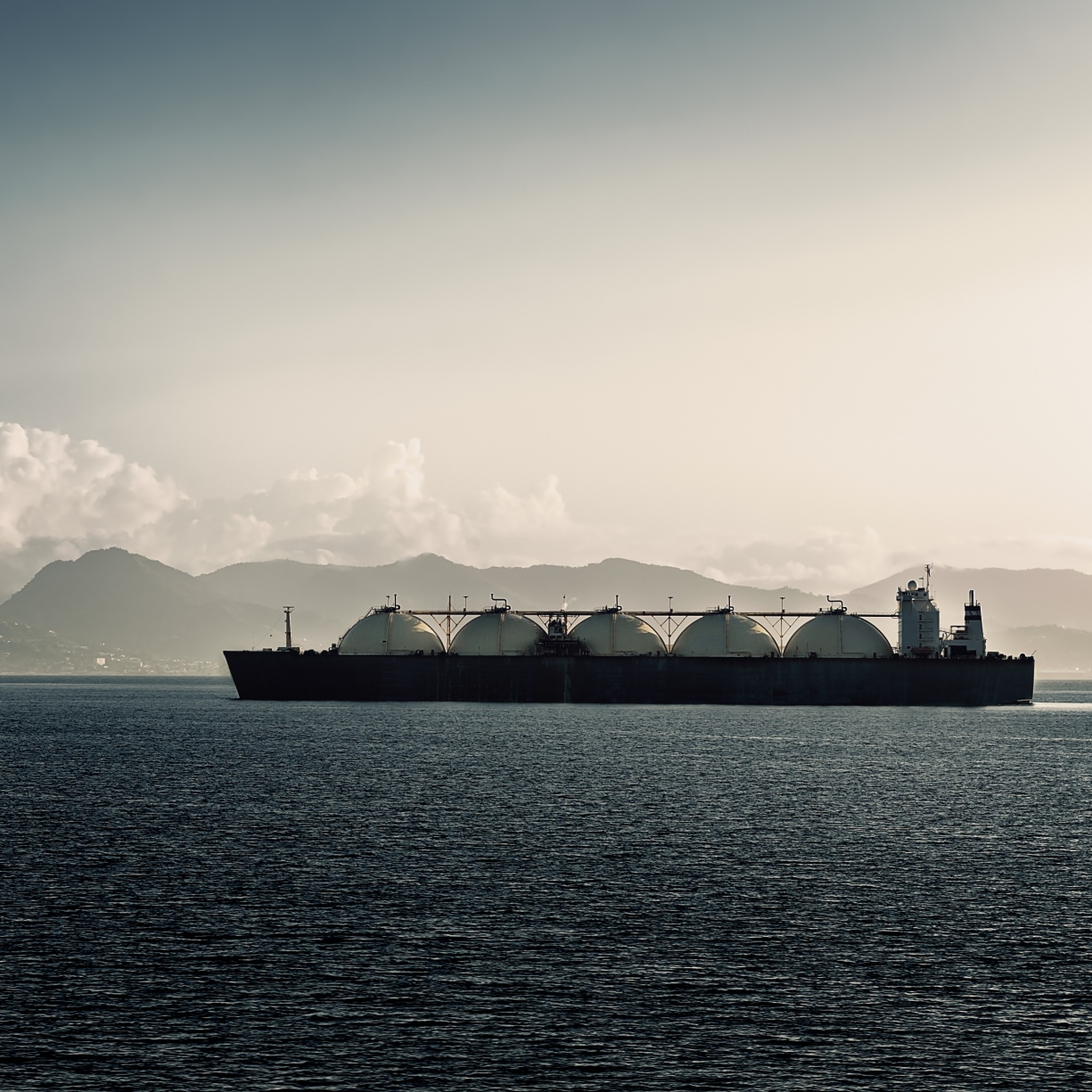
 For the past 40 years a natural gas liquefaction plant on Alaska’s Cook Inlet has been producing LNG and shipping it to Asia. The plant is owned by ConocoPhillips Corp. (NYSE: COP), Marathon Oil Corp. (NYSE: MRO), and the Alaska Natural Gas Corp. and ships about 98 billion cubic feet/year, mostly to Japan. The plant is the only LNG liquefaction facility in the US.
That may change soon. Cheniere Energy, Inc. (AMEX: LNG), through its subsidiary Cheniere Energy Partners, L.P. (AMEX: CQP), has begun a project to add liquefaction to its Sabine Pass LNG receiving terminal in Cameron Parish, Louisiana. Earlier this year Cheniere received permission from the US Department of Energy to re-export imported LNG cargoes to a total of 500 billion cubic feet over two years. Construction of another export facility in Alaska is being studied by Apache Corp. (NYSE: APA).
The booming production of natural gas in the shale gas plays of Texas, Louisiana, and Arkansas have stalled the expected demand for LNG in the US. Devon Energy Corp. (NYSE: DVN), Chesapeake Energy, Corp. (NYSE: CHK), and XTO Energy Corp. (NYSE: XTO), which is about to be acquired by Exxon Mobil Corp. (NYSE: XOM), are among the largest natural gas producers in the region. Cheniere expects to liquefy about 1 billion cubic feet of gas per day at two trains (plants). The company could build a total of four trains at Sabine Pass, giving it a total liquefaction capacity of 2 billion cubic feet/day.
Cheniere’s Sabine Pass terminal has a sendout capacity of 4 billion cubic feet/day and an LNG storage capacity of 16.9 billion cubic feet. Pipelines already exist to connect the terminal to the land-based natural gas transportation system. This infrastructure, designed to regasify LNG and ship the gas to the mainland, could be transformed into a bi-directional operation by adding liquefaction capacity at a cost equal to the cost of expanding an existing LNG train.
Another North American LNG export terminal is on the drawing board about 400 miles north of Vancouver, British Columbia. The Kitimat LNG project is majority owned by a subsidiary of Apache Corp. and is expected to liquefy about 700 million cubic feet/day of western Canadian natural gas beginning in 2014.
Apache owns rights to what the company believes is more than 10 trillion cubic feet of natural gas in northeast British Columbia. Without this export terminal and a 300-mile long pipeline to haul the gas to Kitimat, that gas is stranded. The company is funding the front-end engineering and design work for the Kitimat facility now and expects to make a final decision next year. The estimated cost of the LNG facility is about $2.9 billion.
As Cheniere noted, the LNG import business in the US has not developed as hoped, mainly due to the explosive growth in the shale gas plays. The gas producers should line up solidly behind Cheniere because having an export market for all that gas will help boost and stabilize prices. Or so the thinking goes.
That the US is likely to become a significant exporter of natural gas just a few years after it was expected to become a significant importer is quite a reversal. But if shale gas development and extraction continues on its current pace both Cheniere and Apache will have a head start on a potentially lucrative new business.
Paul Ausick
Sponsor: 26 Cheap Stocks to Sell – Cheap stocks have been on a tear recently, but nine out of ten stocks are circling the drain!






 Top Gaining Stocks
 Top Losing Stocks