


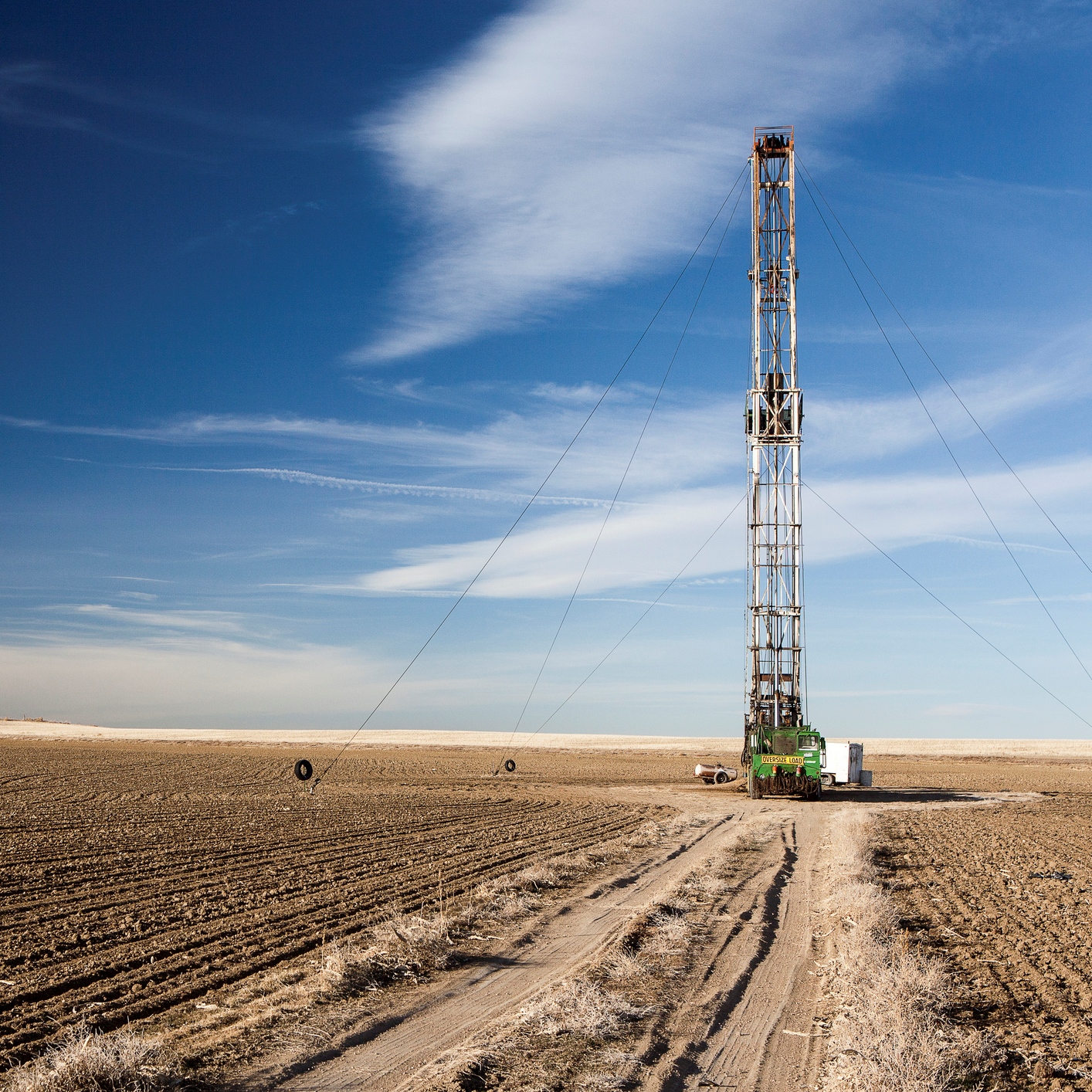
In the US, unconventional gas production has blossomed as hydraulic fracturing techniques (fracking) have allowed companies like Exxon Mobil Corp. (NYSE: XOM), Chesapeake Energy Corp. (NYSE: CHK), and EOG Resources Inc. (NYSE: EOG), among many others, to gain access to reservoirs once believed to be uneconomic. The IEA believes that wider adoption of fracking and other techniques to produce unconventional gas depends on the industry gaining public acceptance of the techniques by adopting rules that
underline the importance of full transparency, measuring and monitoring of environmental impacts and engagement with local communities; careful choice of drilling sites and measures to prevent any leaks from wells into nearby aquifers; rigorous assessment and monitoring of water requirements and of waste water; measures to target zero venting and minimal flaring of gas; and improved project planning and regulatory control.
The IEA report notes that adopting such rules will add about 7% to the cost of a single well and likely even less on a multiple well project. With public support, unconventional gas production, primarily from shale gas wells, would triple to around 56.5 trillion cubic feet. Without public support, production would likely increase only slightly from current levels.
Interestingly, the IEA says that the adoption of the Golden Rules would continue to yield “[CO2] emissions [that] are well above the trajectory required to reach the globally agreed goal of limiting the temperature rise to 2°C.” CO2 emissions would only be slightly higher if the Golden Rules are not adopted.
The full IEA report is available here.
Paul Ausick






 Top Gaining Stocks
 Top Losing Stocks