


 The world’s largest producer of crude oil and its largest exporter of crude could become a net importer of crude in the next 20 years according to an analyst at Citigroup Inc. (NYSE: C). Saudi Arabia produces about 11 million barrels/day, of which the country consumes about 3 million barrels/day. On a per capita basis, that exceeds U.S. consumption.
Saudi Arabia uses oil and natural to fire its electricity generating plants and to power the desalination plants that provide the Kingdom with 70% of its drinking water. The country does not export any natural gas, using all its production mostly to produce the fresh water. And in a hot climate like Saudi Arabia, the demand for space cooling continues to demand more crude and natural gas to keep the air conditioning running.
According to the Citigroup report, as cited in the UK’s Telegraph newspaper:
- Saudi Arabia Could be an Oil Importer by ~2030 — Saudi Arabia is the world’s largest oil producer (11.1mbpd) & exporter (7.7mbpd). It also consumes 25% of its production. Energy consumption per capita exceeds that of most industrial nations. Oil & its derivatives account for ~50% of Saudi’s electricity production, used mostly (>50%) for residential use. Peak power demand is growing by ~8%/yr. Our analysis shows that if nothing changes Saudi may have no available oil for export by 2030.
- It Already Consumes All Its Gas Production — Saudi Arabia produces 9.6bn ft3/day of natural gas. This is entirely consumed domestically. It is looking to raise gas production to 15.5bn ft3/day by 2015E, implying a 2011-15E CAGR of 12.7%. However, peak power demand is growing at almost 8% pa. We believe Saudi Arabia will need to find new sources to meet residential & industrial demand.
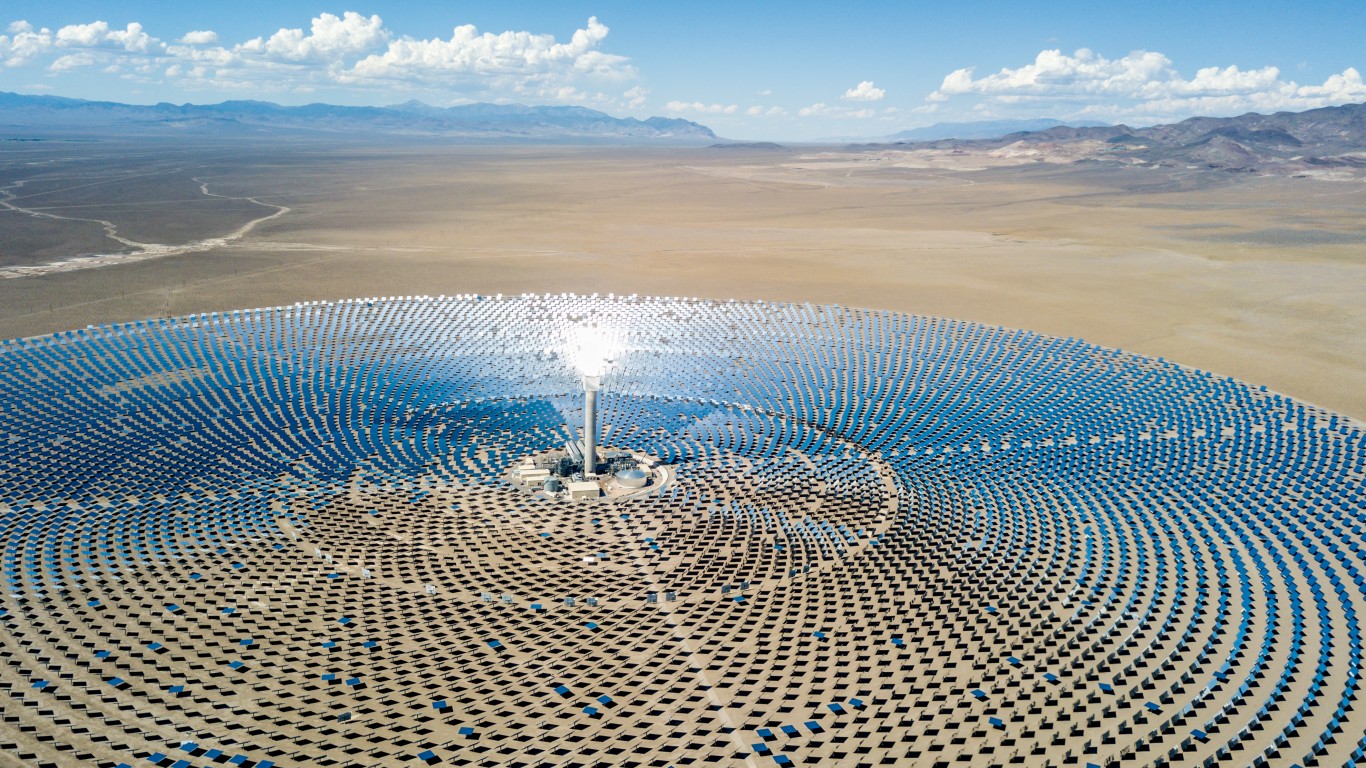
The country plans to build more nuclear and solar power generation plants, allowing the country to sell more of its crude production. The question is whether or not the Saudis can do this quickly enough to offset declining production from its oil wells, some of which have been producing since the 1950s. Less oil to sell means less income means less money to spend on building nukes and solar plants.
Whether the analysis comes true or not, it might be wise to keep economist Herbert Stein’s law in mind: If something can’t go on forever, it won’t.
Paul Ausick








 Top Gaining Stocks
 Top Losing Stocks