


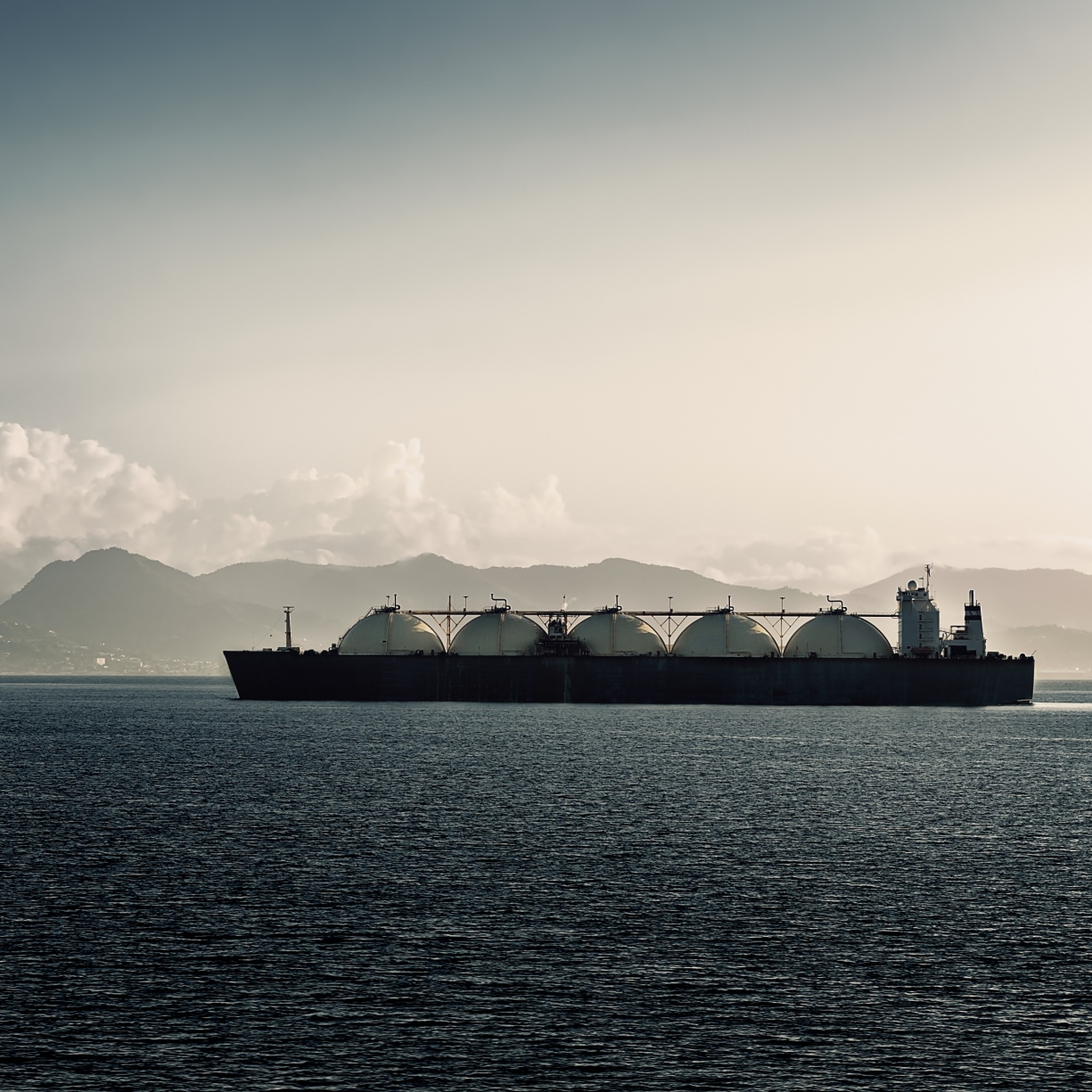
Shipping super-cooled natural gas has clear advantages when it comes to distance and obvious constraints like overseas transit. The American Natural Gas Alliance states that natural gas abundance from shale supplies translates to a massive impact on the global market. The U.S. Energy Department in April updates its natural gas and crude oil proven reserves estimates. When it looked at figures from 2010, it found natural gas volumes grew dramatically thanks in part to horizontal drilling programs. That year, proved reserves of natural gas increased 12 percent to 317 trillion cubic feet, which marked the first time ever that the country passed the 300 trillion cubic feet mark.
British energy company Centrica entered into a 20-year contract with Cheniere Energy (NYSE: LNG) Partners to purchase 89 billion cubic feet worth of LNG from the Sabine Pass liquefaction plant in Louisiana. That’s enough to meet the annual natural gas demands of 1.8 million British households, or roughly the equivalent of powering Hong Kong’s entire population.
“Future gas supplies from the U.S. will help diversify our energy mix and provide British consumers with a new long-term, secure and affordable source of fuel,” said British Prime Minister David Cameron.
The $5.5 billion deal with Cheniere, however, is subject to U.S. government approval for exports to the British economy. Cheniere spokesman Andrew Ware said the permit process may be cumbersome and exports aren’t expected begin until 2018.
Chemical companies like Dow (NYSE: DOW) have expressed concern that exporting natural gas would hurt their business because it would be more expensive to keep their plants running on cleaner-burning natural gas. Others said LNG exports could leave the United States with a gas shortage by 2030 if trends continue along their current trajectory. The ANGA estimates that the natural gas potential, at least in the United States, is such that any price increase should be incremental through 2030. Abundance, the gas advocacy group says, means stability.
But that may be something of a silver lining. The ANGA warns that limiting factors like the costs associated with building export terminals and processing facilities means those pressing hard for more LNG exports from the United States need to set realistic expectations. The International Energy Agency said that, by 2009, LNG had “won the battle” against pipeline deliveries. By 2010, trade in LNG grew to represent nearly 10 percent of the total global demand for natural gas. The expansion in liquefaction capacity has been dramatic, but will it last? LNG trade should continue its growth through 2016, but the IEA warned that the accelerated pace won’t “be repeated any time soon.”







 Top Gaining Stocks
 Top Losing Stocks