


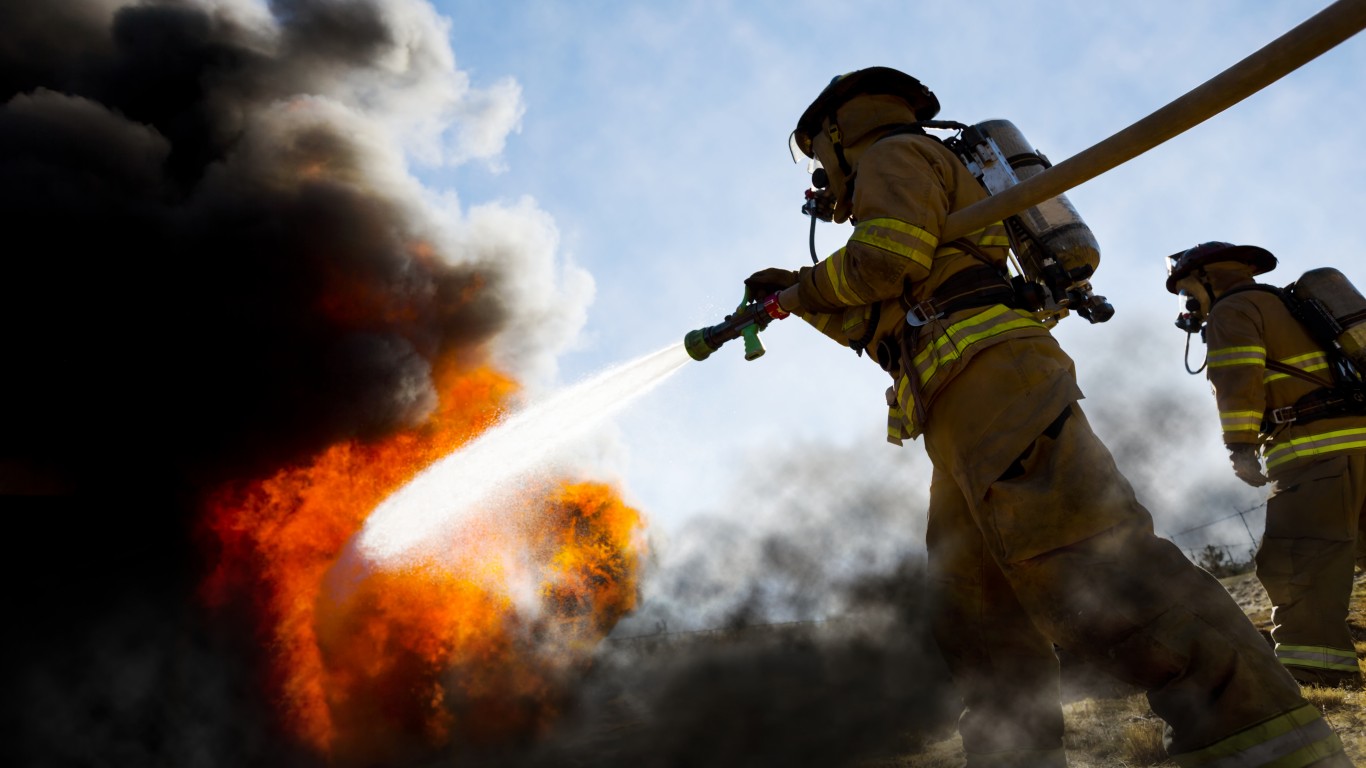
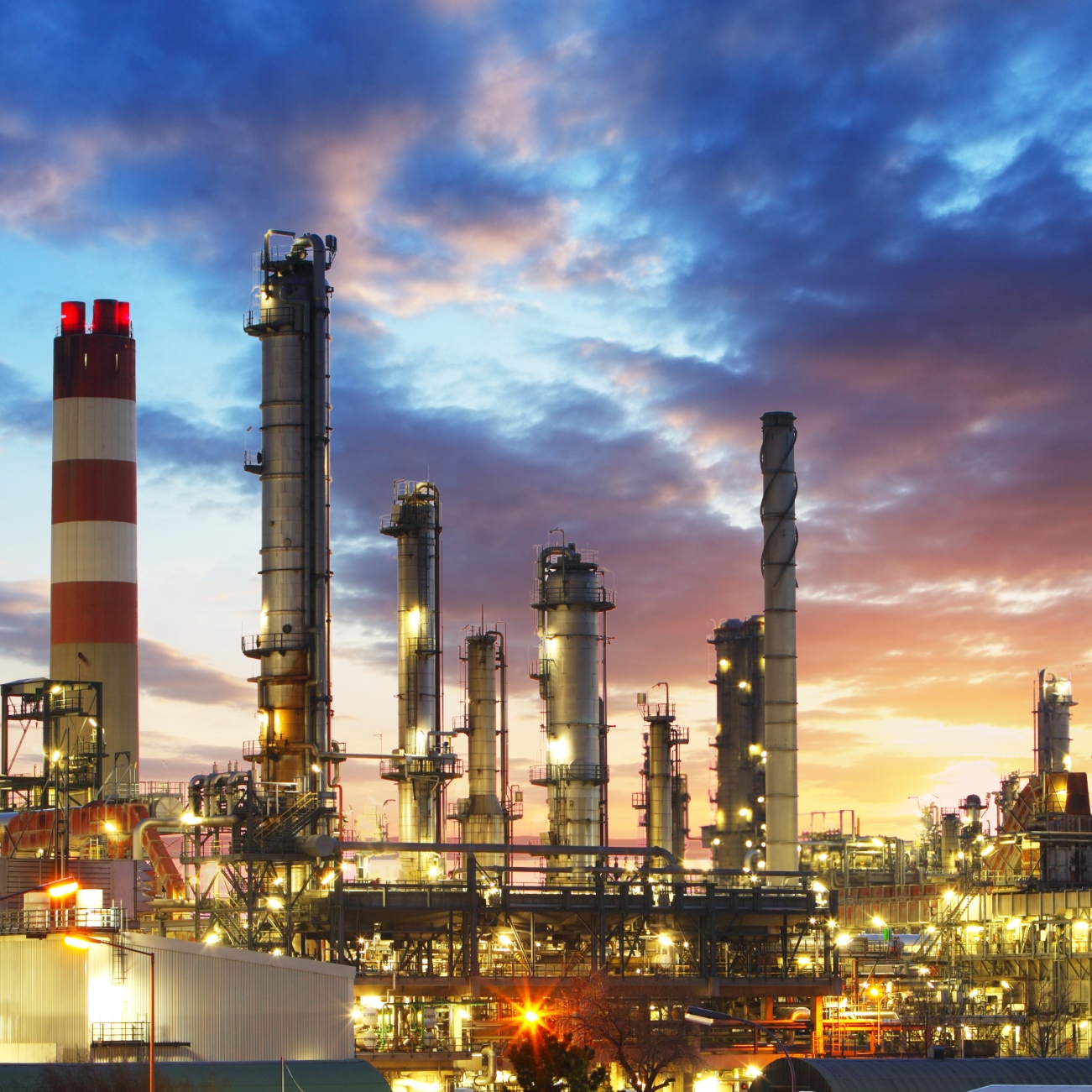
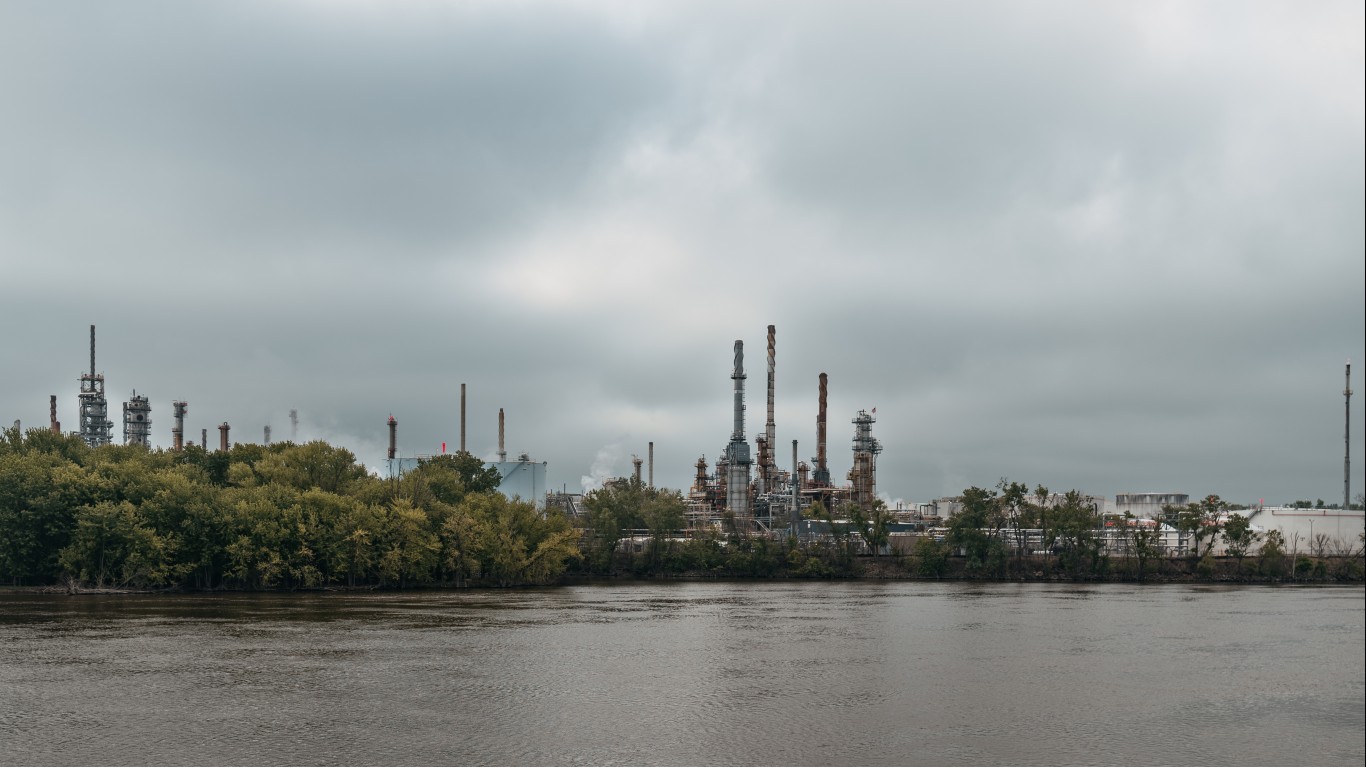
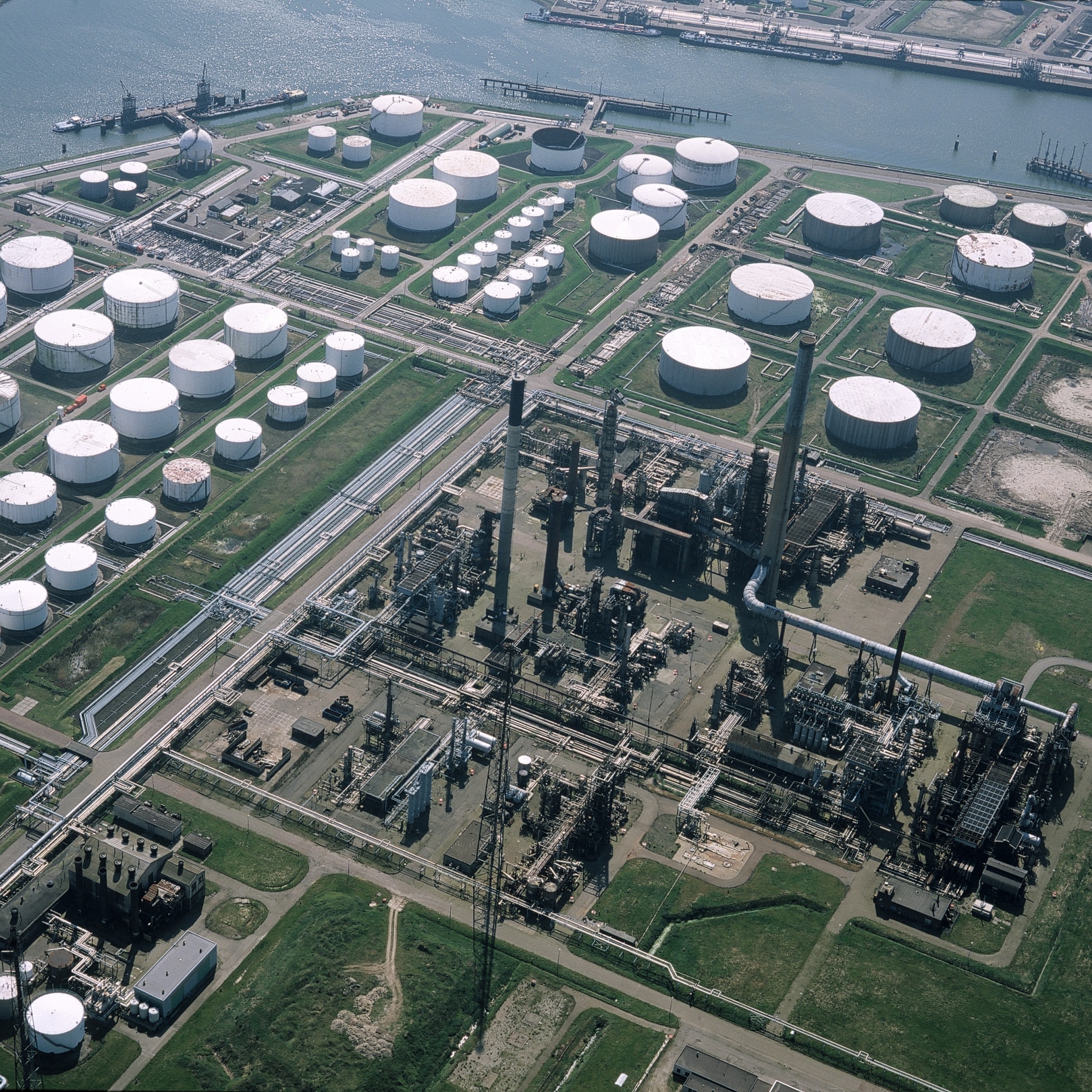
Three explosions early Friday morning rocked the Philadelphia Energy Solutions (PES) refinery and continued to burn in the noon hour, although the fire department has declared the fire contained. Four refinery workers received minor injuries and were treated at the scene, according to a report in the Philadelphia Inquirer. The PES refinery has an operating capacity of 335,000 barrels of crude oil a day.
Propane fed the fire, according to PES officials, although the cause of the explosion had not yet been determined. Less than two weeks ago, a small fire at the refinery was quickly extinguished and the cause of that fire has either not been found or not been disclosed.
The refinery, the largest on the U.S. east coast, is privately held by Carlyle Group Inc. (NYSE: CG) and Sunoco, a subsidiary of Energy Transfer Partners L.P. (NYSE: ETP) and comprises two refineries: Girard Point and Point Breeze. PES filed for bankruptcy in January 2018, blaming its troubles on a federal requirement that refiners either blend ethanol into their products or purchase renewable fuel credits, called RINs, from refiners who do. The bankruptcy court allowed PES to retire the RINs, ginning up the ire of renewable fuels providers.
A report from Reuters in February concluded that the withdrawal of more than $590 million in payments to its owners also played a role in the company’s bankruptcy. Reuters also noted that the company’s cash balance declined by $61 million, according to a post-bankruptcy filing registered in January 2019.
[nativounit]
Christina Simeone, a director at the Kleinman Center for Energy Policy, told Reuters in February that she was not surprised that PES continued to struggle, “but I did not expect it to happen so soon.” Simeone published a report in September predicting that PES likely would face another bankruptcy filing on or before its debts mature in 2022.
PES also has no competitively priced access to cheaper U.S. crude oil. There are no crude oil pipelines feeding the refinery from the major U.S. shale oil plays. Crude supplies to east coast refiners arrive by either rail or tankers from Africa, the Middle East, Europe and Canada. Unless there is a change to Jones Act provisions requiring that goods (including oil) shipped from one U.S. port to another be transported on a U.S.-built ship, at least 75% owned by U.S. citizens or entities, and manned by U.S. crews, PES and other east coast refineries will always pay more for crude oil than their Gulf Coast and Midwest counterparts. A significant oil discovery in the nearby Utica shale play also would help, according to Simeone.
Friday’s fire is sure to complicate PES’s future and may even end up closing down the refinery. That brings its own costs for environmental remediation for a piece of ground that has been refining oil for nearly 150 years.
West Texas Intermediate crude oil traded up about 0.6% Friday at $57.41 after jumping by about $3 a barrel on Thursday. The PES fire will close down about 30% of all east coast refining capacity. If the PES refinery is shut down for a long spell, the price of gasoline will rise all along the east coast, not just in Philadelphia.
In general, low crude prices are a boon to refiners, while high prices are a burden. Integrated oil companies like Exxon Mobil that both produce and refine crude are somewhat hedged against those impacts, but even Exxon got slammed this year by higher refining costs.
[recirclink id=555910]
[wallst_email_signup]







 Top Gaining Stocks
 Top Losing Stocks