


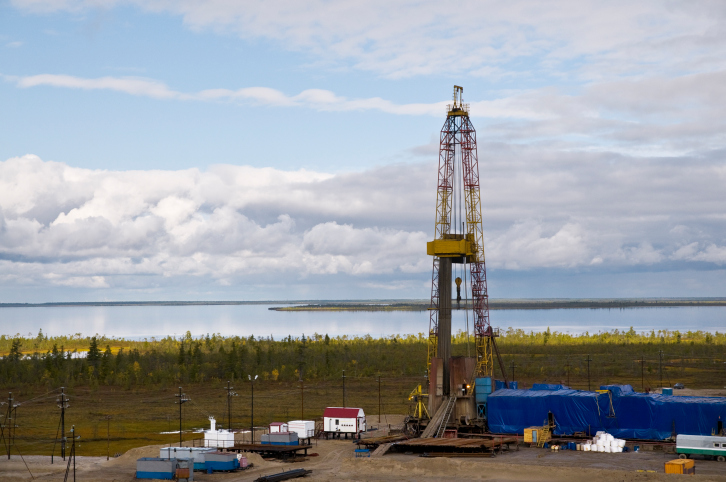
The EPA admits that methane emissions have dropped 16% since 1990 and that methane emissions from hydraulically fractured wells has decreased by 73% since 2011. Methane emissions from the oil and gas sector have decreased by 12% overall in the same period.
Yet the numbers remain large. In 2013, according to the EPA’s Greenhouse Gas Reporting Program, the petroleum and natural gas systems industry released 74 million metric tons of methane. Only the municipal waste category emitted more methane in 2013, 103.1 million metric tons. The petroleum and natural gas industry also released 150 million metric tons of carbon dioxide in 2013.
In its initial response to the EPA announcement, API said:
Emissions will continue to fall as operators innovate and find new ways to capture and deliver more methane to consumers, and existing EPA and state regulations are working. Another layer of burdensome requirements could actually slow down industry progress to reduce methane emissions. … Onerous new regulations could threaten the shale energy revolution, America’s role as a global energy superpower, and the dramatic reductions in CO2 emissions made possible by an abundant and affordable domestic supply of clean-burning natural gas.
As a greenhouse gas, methane is about 25 times more potent than carbon dioxide. It has been difficult to determine an overall rate of methane leakage from well production. A study in 2013 found leakage rates as high as 12% at some Utah wells, while leakage rates in other states have been recorded that are 1% or less. At an average methane leakage rate across the United States of around 6%, the cleaner-burning characteristics of natural gas may be negated.
ALSO READ: Commerce Department Essentially OKs Crude Oil Exports









 Top Gaining Stocks
 Top Losing Stocks