



The International Energy Agency (IEA) published its annual report on oil prices Tuesday, forecasting them to remain low for the next five years. The IEA expects oil prices to reach $80 by 2020, citing lack of demand in developed countries and a continuing glut in supply.
The IEA is likely wrong here, and seems to be simply trend following. The agency does not have a very good record in accurately predicting energy prices. In fact, it is actually a fairly good contrary indicator. Last year, the inter-governmental agency predicted prices of over $100 a barrel in 2015, gradually settling to $90 by 2019.
Settling even more into the realm of comedy, in its 2008 report while oil was peaking at $140 a barrel and about to crash to $30, the IEA said the following (emphasis added):
Despite a considerable downward revision to our global oil demand forecast due to weaker economic growth projections and a doubling of oil prices over the past year, structural demand growth in developing countries and ongoing supply constraints continue to paint a tight market picture over the medium term …
In our section on price formation, we argue that fundamentals are setting the level of oil prices. History has generally shown that speculative bubbles occur when speculators cause or facilitate speculative physical stockbuilding – a look at past bubbles in tulip bulbs, silver, or even housing. A check on oil stocks does not indicate this is happening.
ALSO READ: 5 Big Oil and Gas Stocks Analysts Want You to Buy Now
Having a history of bad predictions does not necessarily mean that this latest one will turn out wrong as well. The reason that the IEA likely is wrong again now is that it never once takes into account the supply of and demand for money itself. It only addresses oil. In forecasting the money price of anything, the supply and demand of the thing itself must be compared with the supply and demand for the monetary medium used in its exchange, in this case U.S. dollars.
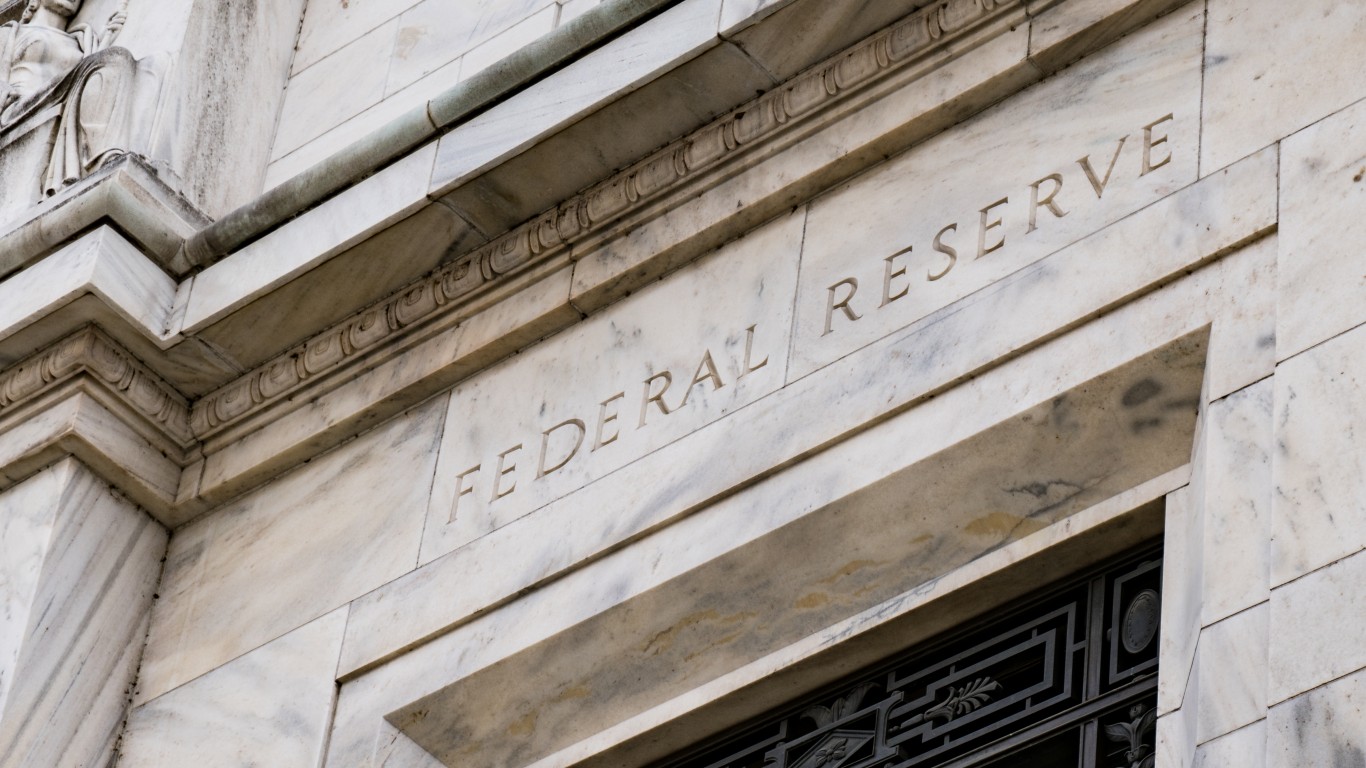
By 2020 the supply of dollars could be a lot higher than it is now, given the record $2.55 trillion in excess reserves outside the U.S. banking system from all the quantitative easing since 2008 that never made it into the economy. Higher interest rates, which the Federal Reserve has indicated it is bent on setting, normally encourage money supply to contract in cases where there are no excess reserves to tap. However, under current circumstances of the highest excess reserve levels in history, higher interest rates could encourage that dormant money to be released into the economy.
In a word, the IEA is totally ignoring the impact that price inflation may have on oil prices. It is not considering the unique monetary circumstances the United States is currently mired in. Oil prices could be much higher than $80 a barrel by 2020, not necessarily because the demand for oil will grow, but because the demand for the dollar could shrink.
ALSO READ: 8 Big Companies That Failed Shareholders Last Week









 Top Gaining Stocks
 Top Losing Stocks