


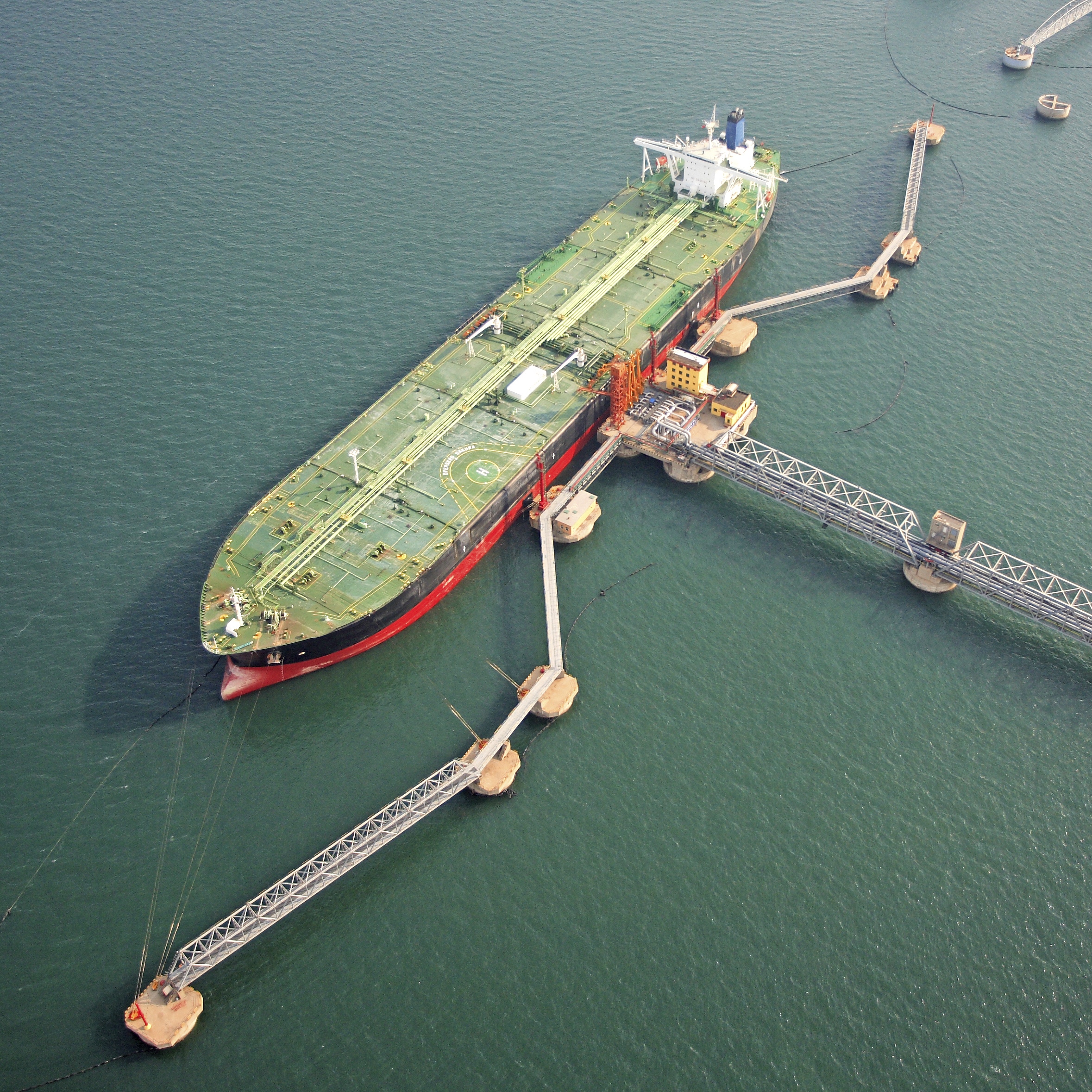
Benchmark West Texas Intermediate (WTI) crude oil for March delivery traded as high as $31.53 a barrel Tuesday morning, up 7% from Friday’s closing price of $29.44. About an hour before NYMEX trading opens, the contact was trading at $29.43 a barrel and sinking.
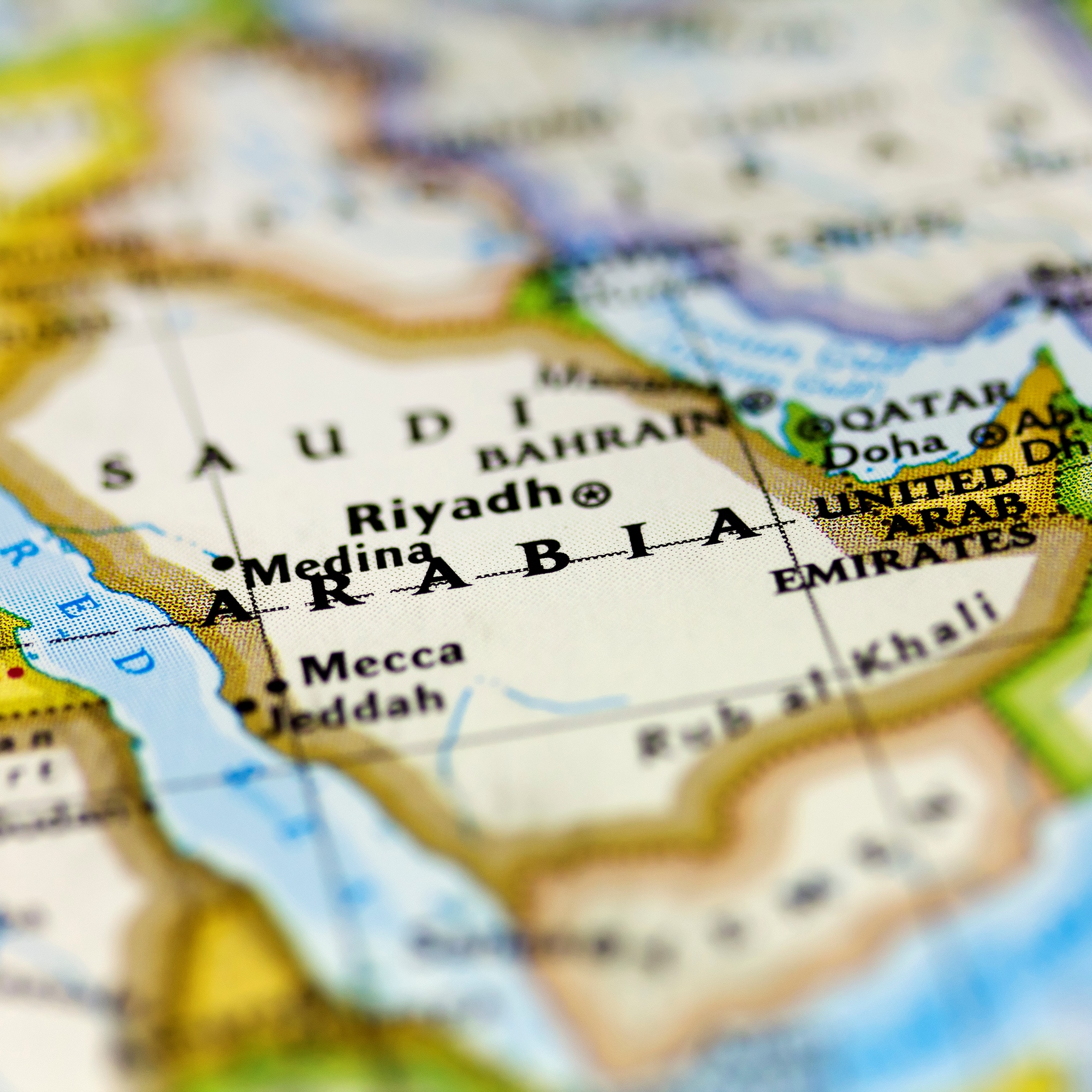
The early boost is down to an agreement among Saudi Arabia, Russia, Venezuela and Qatar that the four producing nations would freeze output at January levels. The agreement does not mean that production will be cut. That’s the big problem, but there are others.
First of all, Iran will not freeze or cut production; the Islamic Republic will continue to pump as fast as it can and sell for whatever price it can get. Iran says it has already raised production by 400,000 barrels a day, according to a report at MarketWatch. The country has already loaded three tankers bound for Europe since sanctions were lifted in January.
Interestingly, on the geopolitical front, Russia and Iran are on the regime’s side in the war in Syria. Saudi Arabia backs the rebels. Russia has never shown much patience for restricting production, and Iran is highly unlikely to cut production or slow down increases in production.
Second, demand has been projected to fall by 400,000 barrels a day in 2016. Exactly how freezing production at the higher level is going to help raise prices remains a mystery.
[nativounit]
Third, the higher production levels were beginning to have an effect on U.S. shale production. Many small shale producers are losing money on every barrel they pump, but they continue to produce in order to maintain some cash flow to pay interest on the loans they ran up three and four years ago.
U.S. production is falling. According to the latest estimates from the U.S. Energy Information Administration, 2015 production in the Lower 48 states totaled 7.4 million barrels a day. Production for 2016 is estimated to fall to 6.59 million barrels a day, and in 2017 production is estimated at 6.21 million barrels. Gulf of Mexico production is expected to rise by about 250,000 barrels a day by 2017 as massive new projects come online. The overall decline through 2017 is projected at 970,000 barrels a day.
But Russia and, especially, Venezuela need higher prices since the two countries’ economies depend so heavily on oil exports. Saudi Arabia has been dipping into its bank accounts to make ends meet, and Qatar likely is doing the same. Higher prices would be a welcome change.
But a freeze on production is unlikely to provide it. What it will provide is some volatility for the next few days, but WTI prices will remain closer to $30 a barrel than $40. And probably for longer than many market participants want it to.









 Top Gaining Stocks
 Top Losing Stocks