


Crude oil prices have added about $5 a barrel since Wednesday’s announcement from OPEC that the cartel had reached an agreement to slice about 1.2 million barrels a day from production beginning in January. That’s good news for producers, if OPEC members keep their agreement.
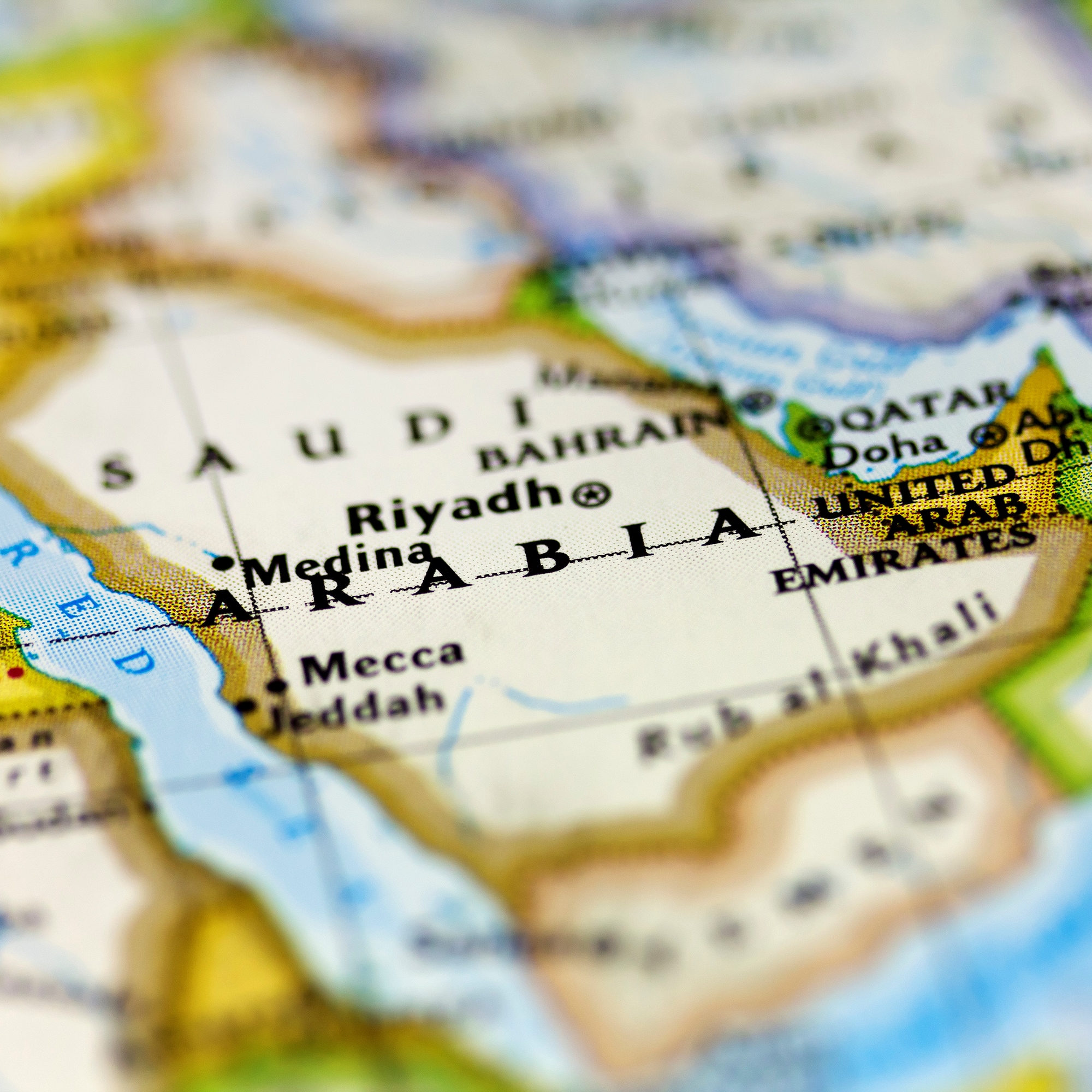
Saudi Arabia has agreed to chop nearly half a million barrels from its current production level, while Iraq has agreed to cut 210,000 barrels, the United Arab Emirates has signed on for a reduction of 139,000 barrels, and Kuwait has agreed to cut 131,000 barrels. With the possible exception of Iraq, these are the countries that toe the Saudi Arabian line on policy.
What the Saudis really won were promised production caps from Iran and Russia that may or may not materialize. The win was primarily a political victory for the Saudis, who can say that they are not bearing the burden of OPEC production cuts by themselves.
[nativounit]
It is also worth noting that the OPEC agreement refers only to production, not exports. The Saudis have been shipping crude from a stockpile of near 280 million barrels and will continue to meet its market commitments from those stockpiles. Cutting production by half a million barrels a day has no short-term impact on how much oil the Saudis export.
In September, for example, Saudi Arabia’s crude stocks dropped by about 2.3 million barrels, according to JODI data, and the country ended the month with 278.7 million barrels in its stockpile. Cutting production by half a million barrels a day would require 18 months to completely drain the Saudi stocks if production were cut to zero.
Cutting half a million barrels a day would have reduced Saudi production from 319.5 million barrels in September to around 305 million barrels. The country exported over 234 million barrels, consumed nearly 15 million barrels and refined nearly 73 million barrels, of which about half the refined products (42.5 million barrels) are exported.
The pain for Saudi Arabia, if it comes at all, is at least a year away. Other producers, like Iraq, with a stockpile of about 8 million barrels, will feel the pain much sooner and are unlikely to suffer voluntarily. The Iraqis will simply pump more oil because they have no other choice.
One final observation: as of Friday morning, the futures price for WTI crude in December 2017 was $54.15, less than $4 a barrel higher than the price of crude of delivery in January 2017. That’s a healthy contango, with most of the gains coming in the first half of the year. Traders are optimistic, and as we’ll see in the next couple of reports on futures and options trading, speculators are probably even more optimistic.
[wallst_email_signup]








 Top Gaining Stocks
 Top Losing Stocks