


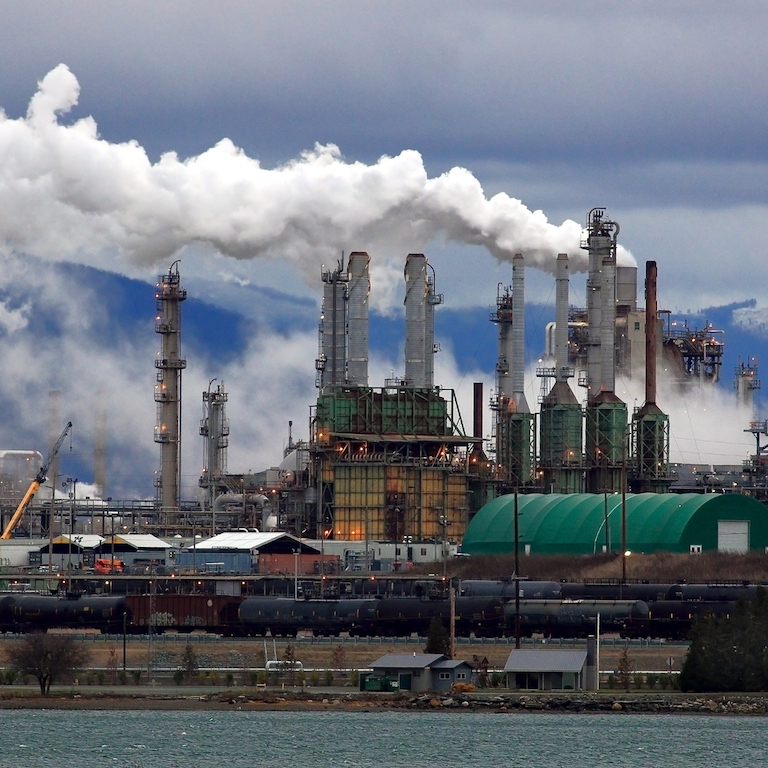
The price of crude oil has not been above $70 a barrel since 2014. It reached that point today. The availability of Iran’s crude was among the most important reasons as the U.S. government decides the fate of sanctions related to a deal that prevents Iran from advancing its nuclear capability. Oil above $70 affects the price of gas, oil and petrochemical products, making a rapid rise a challenge to an American economy, which is growing less than 2.5%.
For several months, U.S. and Canadian shale oil have offset supplies from other nations. This has even been true as OPEC has indicated it would like to raise prices to enrich the treasuries of its members. And the disintegration of Venezuela’s economy also has been a concern. The country has the largest proven oil reserves in the world.
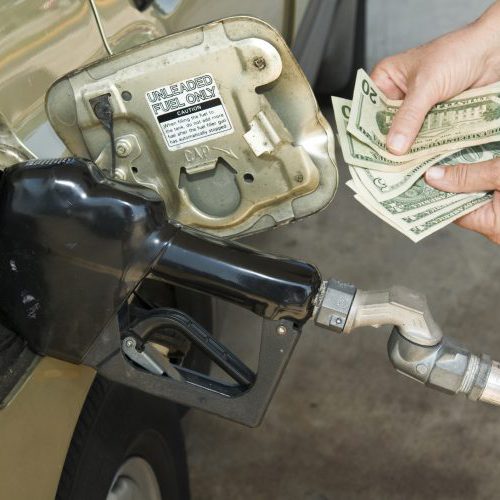
Among the most evident effect of oil prices is the price of gasoline. The average price of a gallon of regular gas is $2.81, according to the AAA. This is up from $2.35 a year ago. As the heavy summer driving period approaches, prices almost certainly will be higher from Memorial Day to Labor Day. Tens of millions of Americans will be on the road, pushing demand even higher.
Among the worries is that lower- and middle-income families with members who must commute to work or drive long distances for other reasons will see their discretionary income shaved. Since the primary driver of gross domestic product is consumer spending, high gas prices mean people have fewer financial resources, which are taken up primarily by housing, clothing and food. The prices of heating oil can also harm consumer spending, although the end of the coldest part of the year should make that unimportant for the next several months.
[nativounit]
The profits of a number of industries rely on low oil prices. Airlines, which consume a tremendous amount of jet fuel, are high on the list. It is not unusual for high oil prices to erode profits, or even cause financial losses.
Finally, there are products made from oil derivatives. This includes a broad list that runs from asphalt to lubricants.
Oil has risen above $70 a barrel. How long it is there will partially determine the fate of the U.S. economy.
[wallst_email_signup]






 Top Gaining Stocks
 Top Losing Stocks