


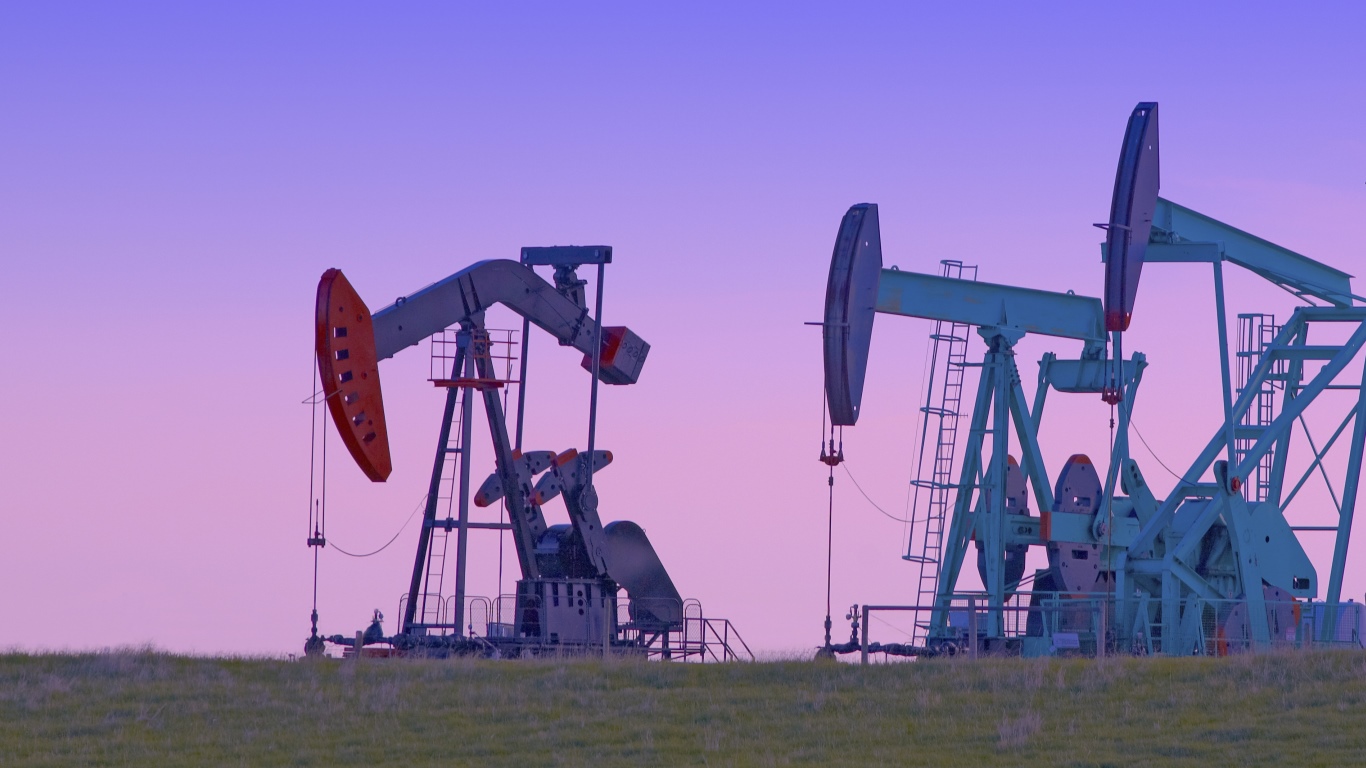
Questions about Russian and Saudi oil production and a surge in U.S. and Canadian shale oil have pushed crude below $50 a barrel for the first time in over a year. The drop may continue.
Oil production is not the only reason for the drop. The Energy Information Administration recently announced U.S. supplies had burgeoned in the most recent week’s measures. A drop in demand in slowing economies, particularly China and the European Union, also has dented demand. Several global economic organizations, led by the Organisation for Economic Co-operation and Development (OECD), have not only reported slowing in gross domestic product in 2018 but expect the trend to continue into next year. The strength of the U.S. dollar is another reason.
The direction of crude prices has been mostly down, with one significant tick up. Crude fell a record 12 consecutive days through November 14. After a one day rally, which was the highest in eight weeks, crude started its march down again.
As a measure of the magnitude of the drop, crude traded over $76 on October 3. Today’s price of $49.60 is less than two-thirds of that October peak.
[nativounit]
As to future prices, one impact will be a major battle between U.S. shale production and the possible drop in production by OPEC, particularly Saudi Arabia. Oil sanctions against Iran, one of the world’s largest producers, have done little to affect prices. And the United States has made some exceptions to its ability to export, which has allowed Iran to ship crude to other parts of the world, and that has undercut the effects of the sanctions.
The falling price of crude is a dual-edged sword. In particular, U.S. gas prices have dropped to an average of $2.30 for an average gallon of regular nationwide. A year ago the price was close to $3. Drivers get a financial break, which many economists believe improves consumer spending. This is compounded by people who get a cut in home heating oil prices, particularly with the approach of winter. Some large industries are helped as well. Airlines have recently seen profits squeezed by the effect of crude on jet fuel. Companies that use petrochemical prices also have had margins pressured.
On the other hand, oil-producing and exploration companies have seen profits dwindle or disappear. The largest U.S. oil company, Exxon Mobil, has experienced a 10% drop in its share price in the past month. Ironically, shale oil producers, which have been a major reason oil prices have fallen, also have seen their chances for high profits disappear as they have flooded the market with crude.
The wildcard in oil prices is OPEC. The organization, led by Saudi Arabia, has watched member nation treasuries hurt as the oil they export yields them lower prices. However, they do not want to cede more of the global market to other producers, particularly shale-rich Canada and America.
Oil’s volatility has caught most experts by surprise. That makes it harder to find foundations for prediction. However, for the time being, there is little evidence oil will move back toward $70 anytime soon.
[wallst_email_signup]






 Top Gaining Stocks
 Top Losing Stocks