


[cnxvideo id=”866256″ placement=”prodege”]
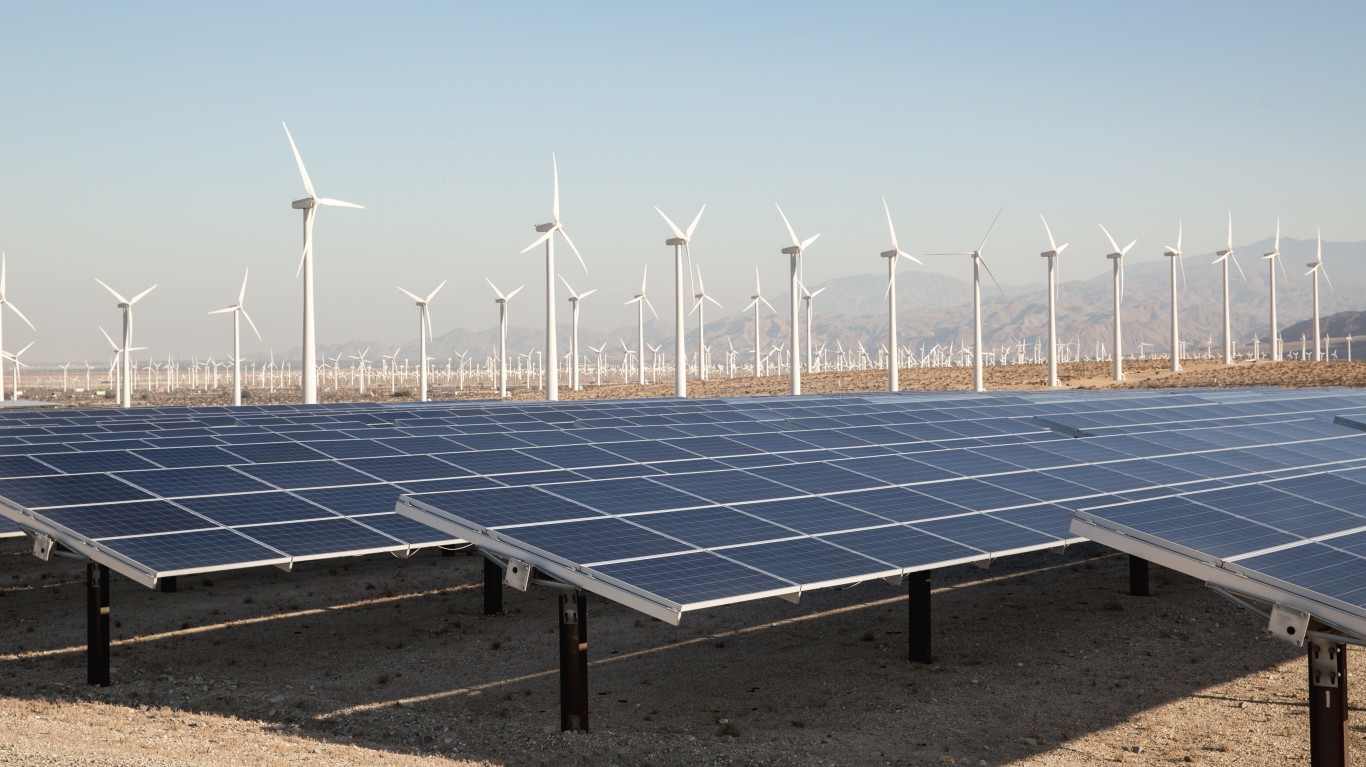
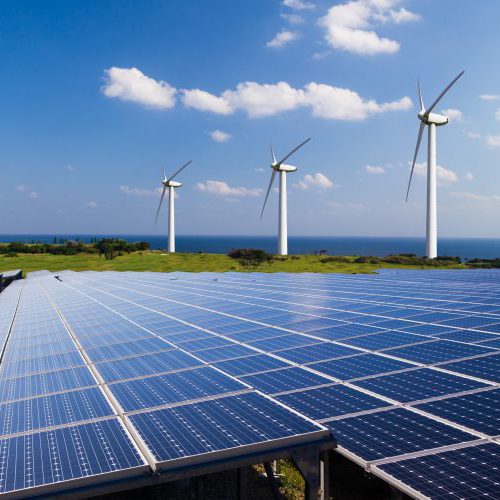
In 2018, more than a quarter (28%) of global electricity was generated from renewable energy sources like solar, wind and hydro, with the latter being responsible for 96% of renewable generation. By 2050, renewables will generate 49% of global electricity and solar and wind power will both surpass hydro, accounting for 70% of the world’s total renewables generation.
The projections were included in the U.S. Energy Information Administration’s International Energy Outlook 2019 released in late September. The EIA considered three economic scenarios: the reference case, which assumes a 3% annual growth (we use this one); the high-growth case, which assumes growth of 3.7%; and a low-growth case that assumes growth of 2.4%.
The EIA projects renewable generation will grow by an average of 3.6% annually, compared to natural gas generation growth of 1.5% per year. By 2025, renewables will surpass coal as the primary source of global electricity generation as coal’s share drops from 35% in 2018 to 22% by 2050 and total capacity increases.
Demand for electricity is projected to rise by 1% annually between 2018 and 2050 in the developed economies of the Organisation for Economic Co-operation and Development (OECD). In the emerging non-OECD economies, demand is projected to rise by 2.3% annually during the same period. The EIA notes: “[G]rowth in non-OECD electricity demand is met by a mix of renewables and nonrenewable generating technologies, generally influenced by regional resource and economic considerations.”
Demand for electricity to fuel electric vehicles nearly triples between 2018 and 2050, although it accounts for less than 6% of total expected consumption in 2050.
Residential demand nearly doubles during the period “as personal incomes rise and urban migration continues in non-OECD countries,” according to the EIA. By 2050, residential demand essentially matches industrial demand that is currently about a third greater.
Natural gas generation grows by an average of 1.5% per year from 2018 to 2050, and nuclear generation grows by 1.0% per year. Natural gas-fired generation displaces coal-fired generation in non-OECD Europe and Eurasia (excluding Russia), rising from 23% in 2018 to 31% in 2050, while coal-fired generation falls from 31% to 15% over the period.
Although the details differ slightly, the general EIA outlook aligns closely with BloombergNEF’s New Energy Outlook 2019. Where the two projections differ is in their outlook for incentives to meet their projections. The EIA comments, “Although renewables are cost-competitive compared with new fossil-fired electric generating capacity additions, displacing existing non-renewable capacity requires policy incentives.”
BloombergNEF notes that “many” nations can afford the cost of keeping rising global temperatures at 2 degrees Celsius or less without introducing more direct subsidies for technologies like solar PV or wind.
The speed at which capital costs fall for wind and solar generation is likely to determine how big a role incentives play in meeting the 2050 projections. If costs continue to decline as they have, the share of electricity generation from renewables could rise even more quickly.
[recirclink id=581960]
[wallst_email_signup]






 Top Gaining Stocks
 Top Losing Stocks