


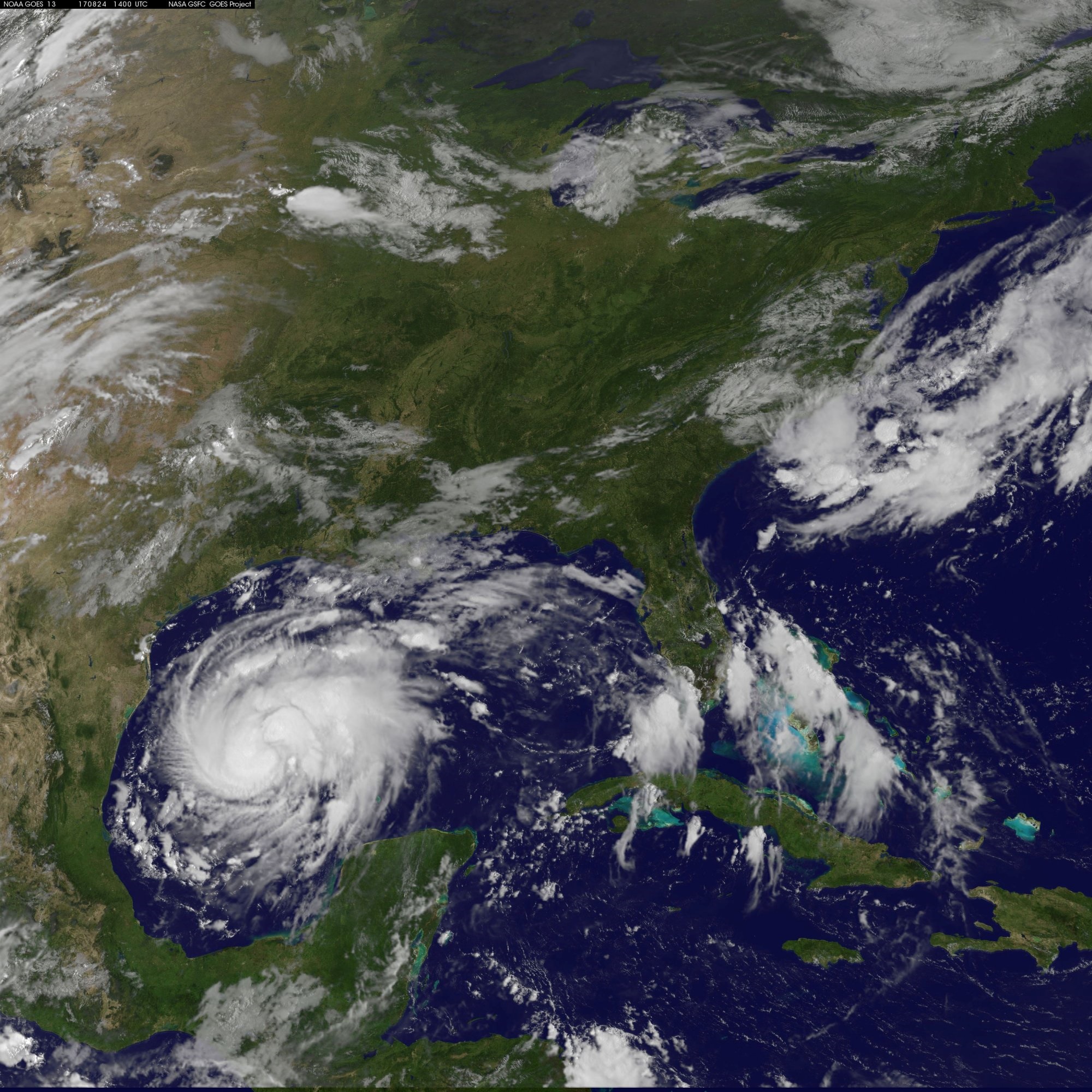
 Oil refiners have had a very tough year. Since January, Marathon’s (NYSE:MRO) stock is off nearly 30%, Valero (NYSE:VLO) has plunged more than 50%, and Tesoro (NYSE:TSO) is off more than 60%. All got a bit of a boost yesterday as a result of the approaching hurricane and refinery shutdowns caused by the storm. Valero’s Port Arthur refinery (325,000 b/d), Shell’s (NYSE:RDS.A/RDS.B) Motiva refinery in Port Arthur (285,000 b/d), and Exxon’s (NYSE:XOM) Beaumont refinery (349,000 b/d) plan to shutter operations today. But the outlook could be stronger and longer term than that.
The Energy Information Agency’s weekly status report showed that commercial stocks of crude oil are down 6.7% from the same time last year, and 1.9% from a week earlier. Total gasoline inventories are also lower than last year by 3.5%. Refinery utilization was down to 78.3%.
Refiners are finally getting a chance to work through some of their existing, high-priced crude inventory. Because inventory accounting uses the last-in, first-out method, the refiners are holding down crude purchases as they work through the inventories.
According to the EIA report, the average price for a barrel of crude on September 12th was $106.35, and the average retail price for a gallon of gasoline on September 8th was $3.70. The last time crude oil cost roughly the same was on April 4th, when it sold for $106.09. On April 9th, a gallon of gasoline cost $3.38. Crude oil is now priced at the level it was five months ago, but a gallon of gas costs $0.32 more.
Refiners and marketers are not lowering their finished product prices to fully reflect the drop in crude for two reasons. First, they don’t have to. Consumers have shown a willingness to pay $3.70/gallon, so that’s what retailers will charge. Second, they’re not sure where the price of crude will actually settle. It’s better to reduce crude purchases when prices are steadily falling because it reduces the inventory carrying cost.
These increased margins will start to show up in the third quarter earnings reports. Refiners will still have problems with earnings, but the bleeding may have stopped for now.
Paul Ausick






 Top Gaining Stocks
 Top Losing Stocks