


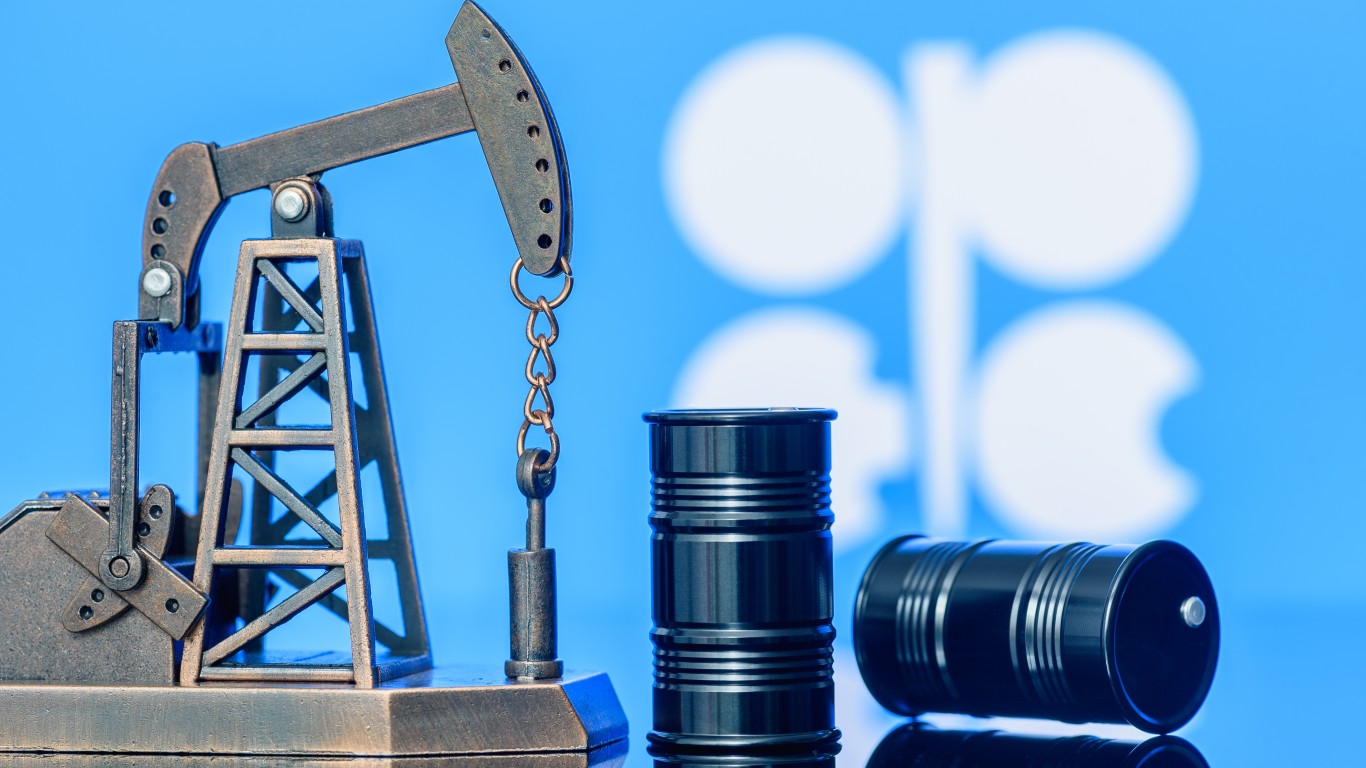
 OPEC is no longer talking much about oil supply. It has changed its focus to the investment that its members make in exploration and production. That may change the psychology of how traders look at prices. Crude may stay low now, but, over time, less drilling means less oil. Less oil should means higher prices eventually if the OPEC reasoning is sound.
OPEC’s reason for cutting back on what it spends to find and refine oil is simple. It believes that a long recession will push down demand for some time. Making huge capital investments in a slow market means making investments that may not bear fruit in the foreseeable future.
According to The Wall Street Journal, “In its annual outlook report, OPEC said it now estimates its members will have to invest about $110 billion to $120 billion in exploration and production in 2009 to 2013, rather than the $165 billion it had forecast.”
The prevailing theory about oil demand is that it is still very high in China where the economy is growing at a 7% clip. The economies of Japan and the West should swing back to growth in a year or less. Crude demand will swing up with a global GDP recovery in 2010.
But, the theory could be seriously flawed. A number of economists believe that the largest economies outside China and India face years of stagnation marked by high unemployment, flat wages, low consumer spending, and businesses that keep their belts tightened. Those circumstances would hold the need for crude at or near current levels. OPEC would be foolhardy to push investment capital into an environment that looks so bleak.
OPEC is cutting its spending forecast now, and no one should be shocked if it cuts it again later this year. Oil may be above $60, but that is not high enough to get producing nations back into the business of aggressively looking for and drilling new reserves.
Douglas A. McIntyre








 Top Gaining Stocks
 Top Losing Stocks