


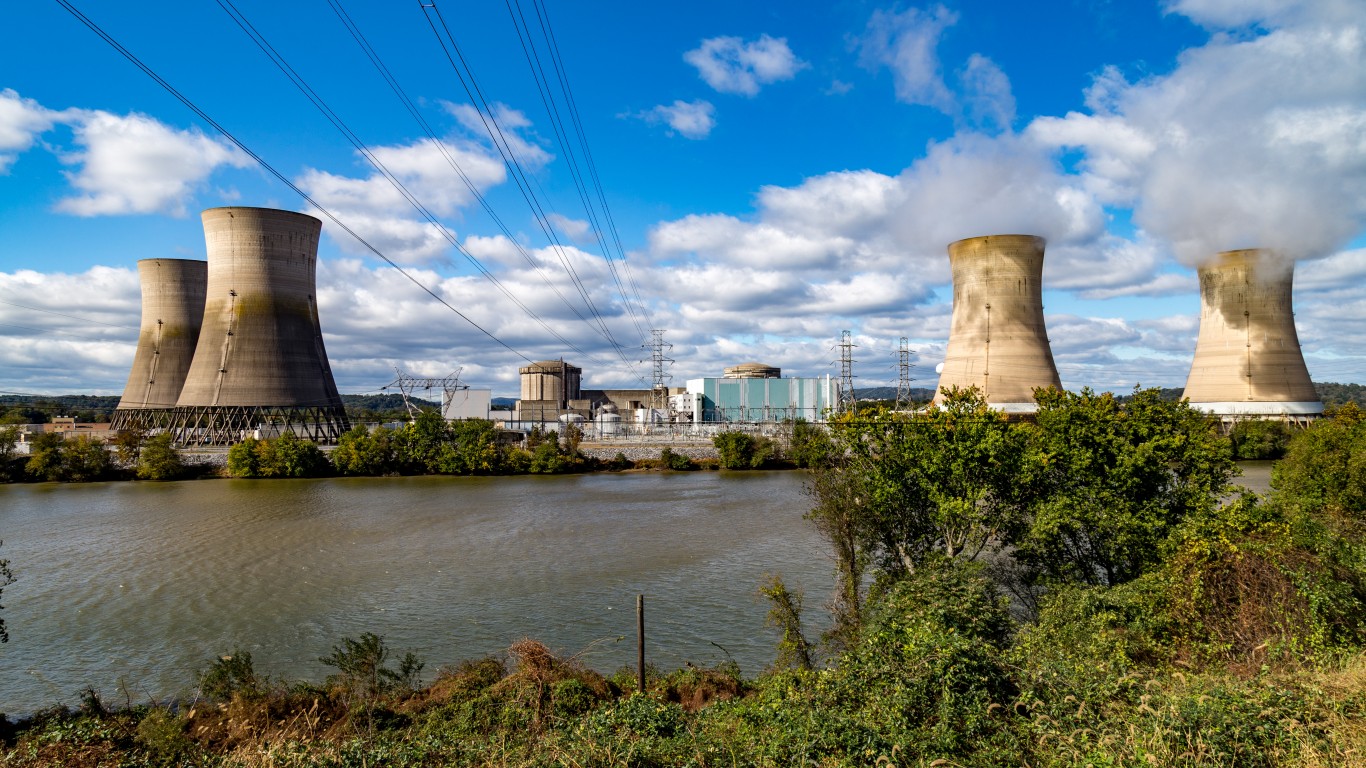
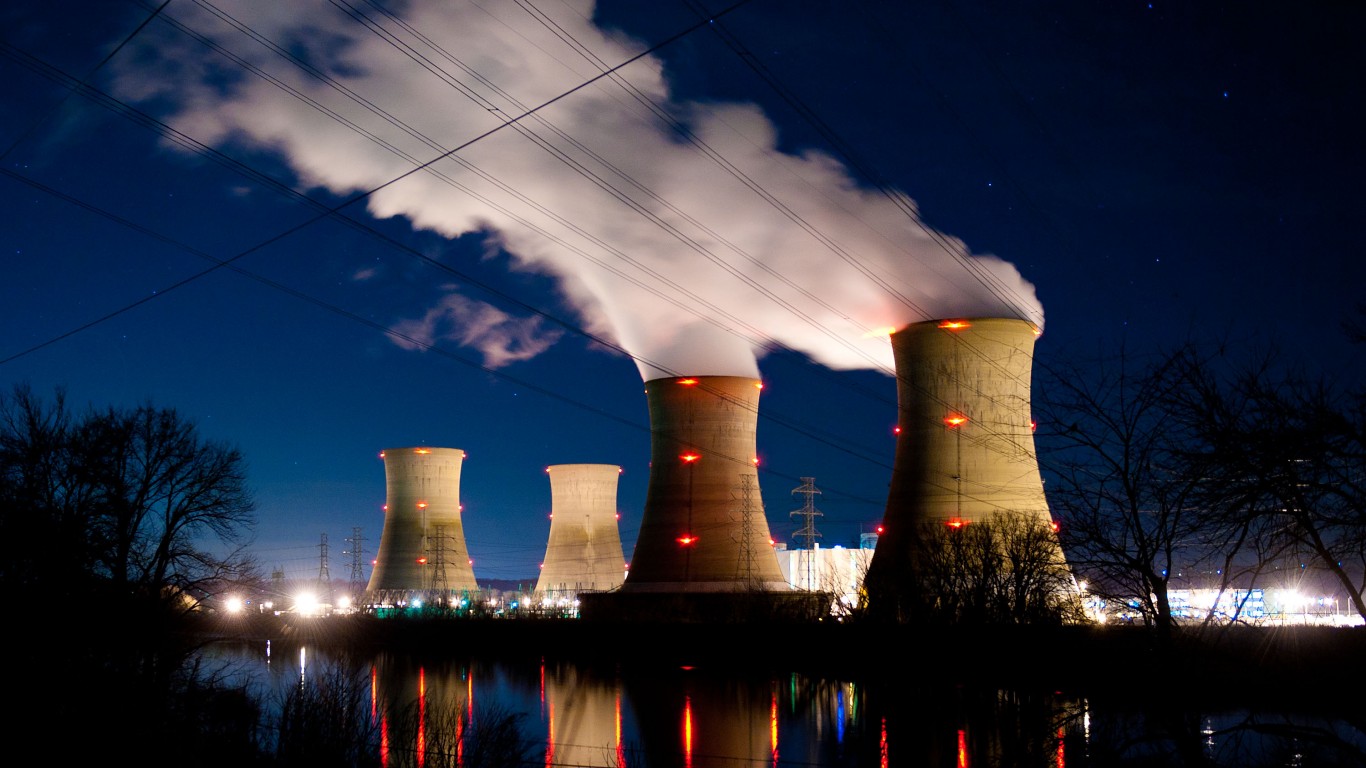
 The latest stimulus program news out of Washington is astonishing for its lack of ambition. President Obama announced $8.3 billion in loan guarantees which will support a plan to build the first nuclear power plant erected in America in almost thirty years. The catch here is this $8.3 billion will underwrite the construction of only one nuclear power plant. The company chosen to develop and run the plant is Southern Co. (NYSE:SO). Southern had $18 billion in sales last year. It does not absolutely have to get government help to raise money in the capital markets.
The scale of the new nuclear construction plan is a disappointment. The Administration says that it will offer loan guarantees to several other utilities, but the government’s investment is, in reality, close to nothing. Loan guarantees for large, healthy companies is not likely to put a dime of taxpayer money at risk.
Nuclear energy is not the most popular source of electricity because of the perceived danger of radioactive leaks. Gasoline and coal are as dangerous, and perhaps more dangerous, because of the cumulative effect that they have on air quality.
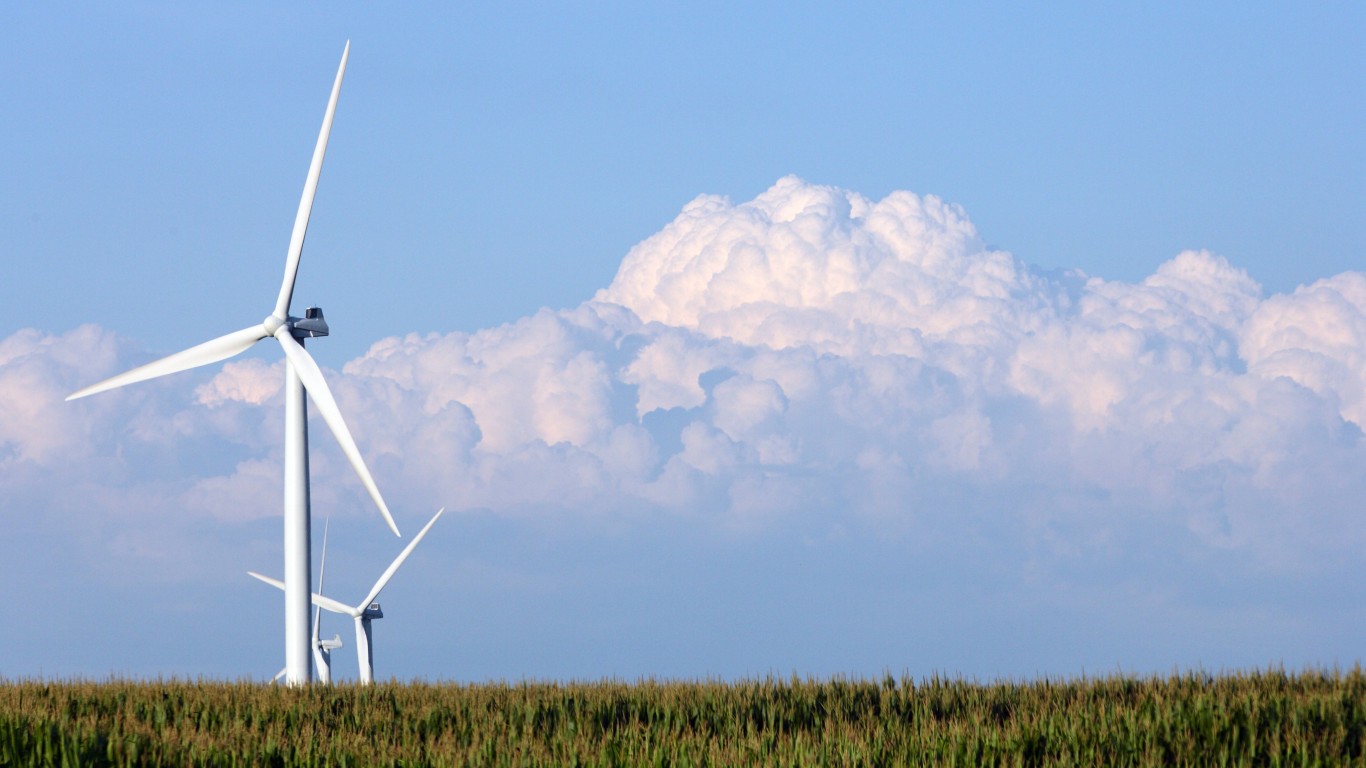
One of the advantages of nuclear power is that it works. It is a reliable and relatively inexpensive way to generate electricity which cannot be said for wind power and solar energy. Wind and solar energy sources are popular because of the perception that they do not increase pollution. But, they are also not economically viable. France generates 75% of its electricity from nuclear facilities. The French are either dolts who do not understand the danger of 59 nuclear reactors in their country, or they have decided that this form of energy is relatively safe and worth the risk to make France self-reliant for much of its energy needs.
The Administration’s new nuclear power program will not have any impact until 2016, when Southern’s first plant opens. The federal government could make $100 billion in loan guarantees for large American utilities and would probably never be called on to draw down those guarantees, which is to say that twenty nuclear facilities could be under construction in America in a year or two. It will take much, much longer than that to have effective wind or solar facilities that can produce even a fraction of the power that twenty nuclear plants can.
The government proposed and pass a program for $75 billion in mortgage modifications, and a $787 billion stimulus package. Washington has to actually take money from the Treasury for these obligations, and the programs that created those obligations have had limited success. The mortgage modification plan has had almost no success at all.
Nuclear power may remain unpopular until it is clear that new plants are as safe as those that burn enough coal to blot out the sun. It may still be unpopular while people pay higher and higher electricity bills and while jobs that might go to construction workers who would build the plants never materialize. The alternative is that Americans could be told that if many nuclear facilities were to be constructed, tens of thousands of jobs would be created, the country’s reliance on fossil fuels would be decreased and that the cost of energy for hundreds of thousands of homes and businesses would be much less.
Several billion dollars will probably go to tax benefits that would create jobs under new programs proposed by the Administration. The government will also fund projects for more broadband infrastructure and refurbishment of some of America’s oldest monuments. But, none of those things both puts people to work and slashes the US reliance on crude oil which increasingly come from abroad. This reliance on foreign energy creates both trade deficits and increases national security concerns.
Nuclear energy may be more risky than energy from coal, but physicians would say otherwise. Air pollution is not one of the side-effects of fusion.
Douglas A. McIntyre









 Top Gaining Stocks
 Top Losing Stocks