


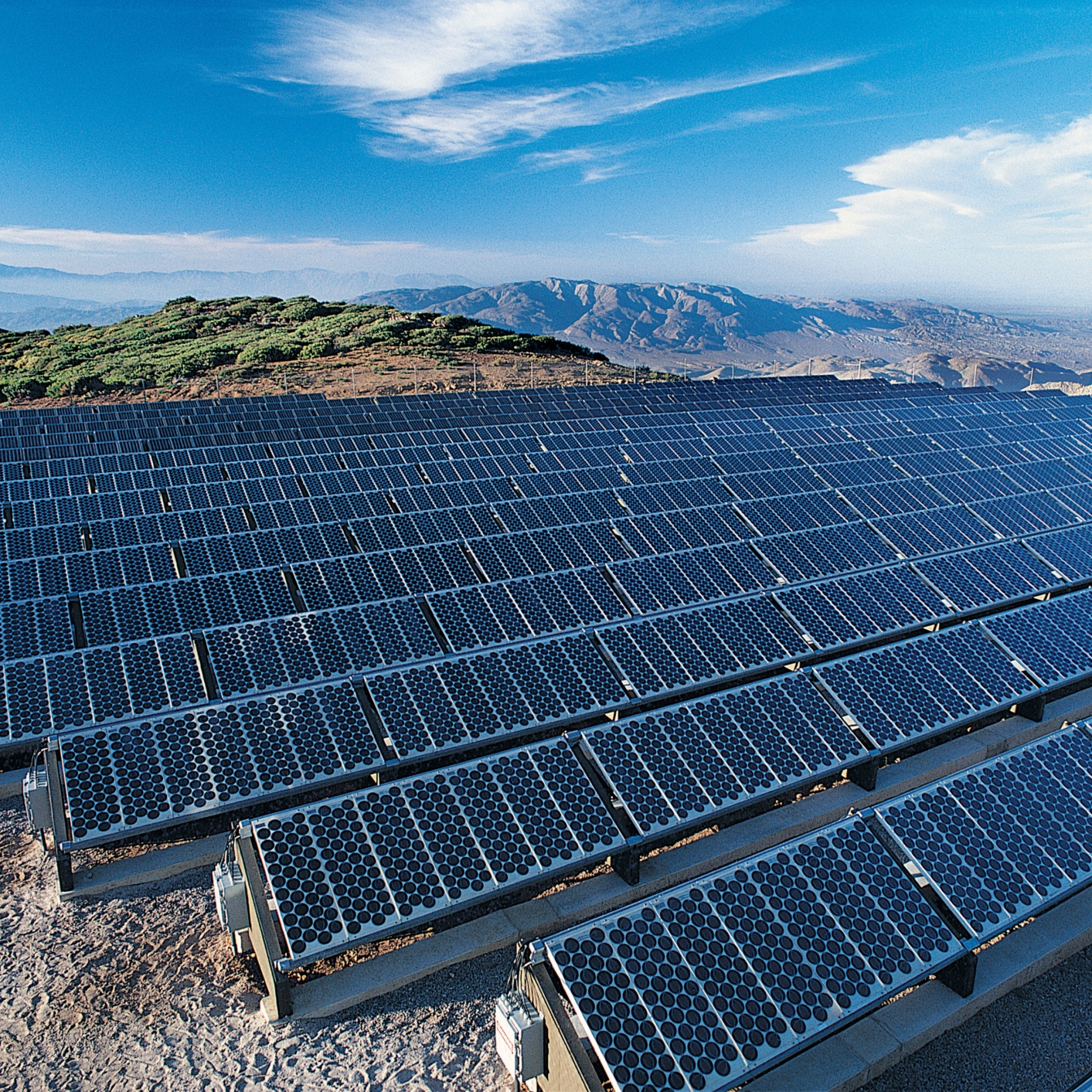
 Developing a renewable energy project depends at least equally on government backing as much as anything else. Government-guaranteed loans, tax incentives, regulations, and direct subsidies are all usually required in order to turn over the first shovelful of dirt on a big solar or wind project. Within the last month, three large solar projects have been approved for construction in the southern California desert. BrightSource Energy is set to begin construction on its $2-billion, 370-megawatt solar thermal plant by the end of the year. The US division of Solar Millennium AG (OTC: SMLNF) just received approval for a $6-billion, 1,000-megawatt solar thermal project, and Tessera Solar has federal approval for two solar projects that will cost about $4.6 billion and generate about 1,500 megawatts of electricity. (See our report on the 25 most important alternative energy companies).
But even getting the nose-bleed levels of funding is not enough. Environmental groups threaten lawsuits and, perhaps more important in the US, government policy changes. Right now, the federal government offers loan guarantees for up to 80% of construction costs. That program ends in September 2011. Another federal program, which ends in December, allows a company to take a 30% tax credit in cash once the project is completed.
Getting the US Congress to extend one or both of these programs is hardly a sure thing, so some states, California in particular, are taking matters into their own hands. The California state legislature has mandated that the state get one-third of its electricity from renewable sources by 2020. In July, California’s net generation from all sources reached 20 million megawatt-hours. Renewable sources, other than hydropower, accounted for 2,590 million megawatt-hours, or about 13%. Without loan guarantees and other subsidies, the state probably has no chance of hitting the mandated target.
But California got a little help from the Federal Energy Regulatory Commission last week. The FERC ruled that the state can force its regulated utilities to pay for renewable energy at a level that supports a feed-in tariff. This is a very big deal, although it only affects California right now. Essentially the FERC has ruled that the definition of so-called “avoided costs” may be expanded to include environmental factors. Avoided cost is now defined as the lowest price a utility would pay to get power from a comparable source. Formerly, the source was restricted to a new natural gas plant. The FERC ruling also makes it economically feasible to build small, distributed generation plants that don’t use long-distance transmission lines.
The FERC’s ruling will certainly be tested in court because it raises the price that utilities must pay for electricity from renewable sources and denies the utilities the right to recover those payments in rates.
The principle objection to loan guarantees and subsidies and regulatory price-setting for renewable energy is that all these incentives distort the electricity market and cause prices to be higher than if we just burned coal and natural gas. The other side of that coin is that utilities have paid nothing for decades to use the atmosphere as a garbage dump. By forcing them to pay those external costs, which are avoided when renewables are used for generation, the playing field is truly getting more level.
Paul Ausick




 Top Gaining Stocks
 Top Losing Stocks