


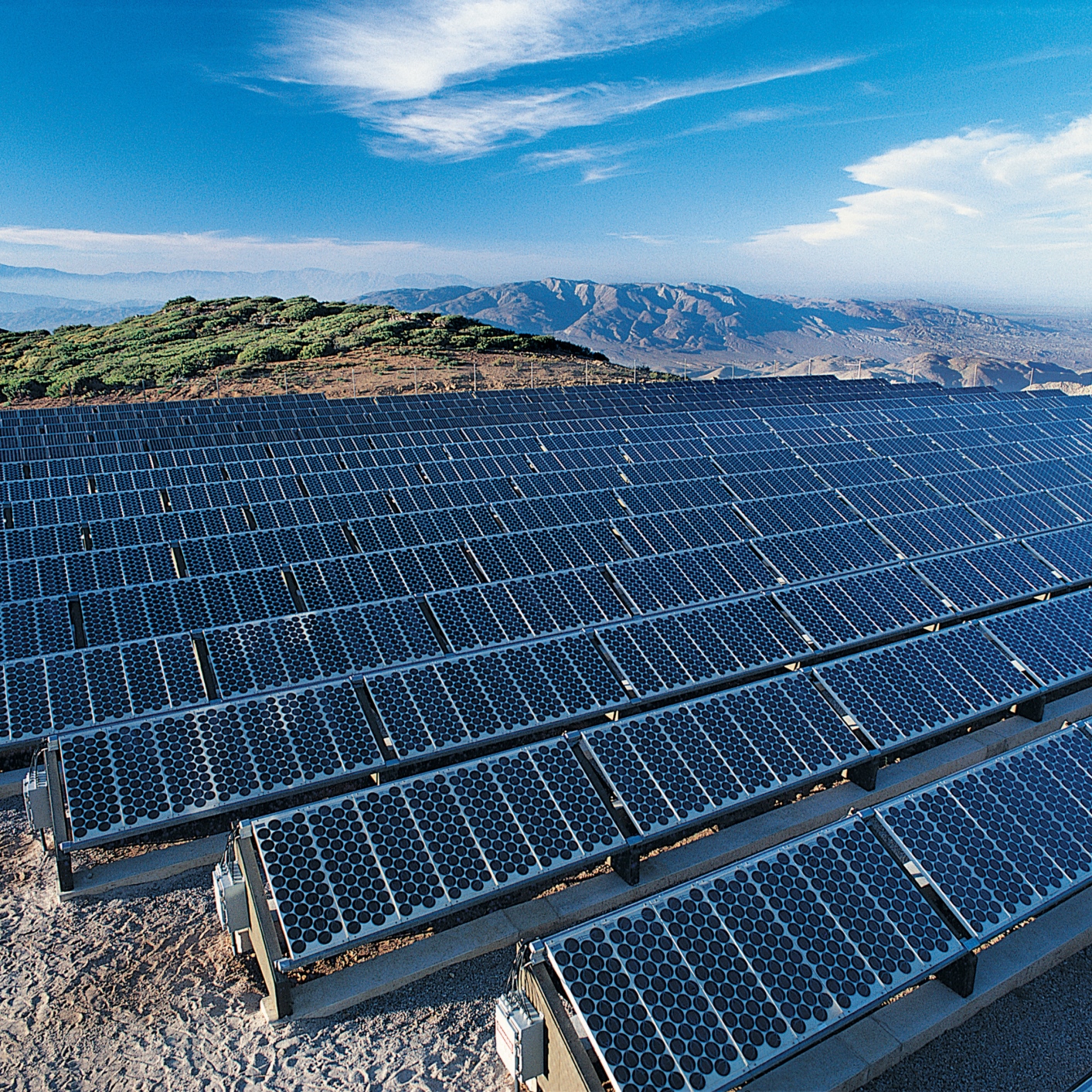
The state of California’s nameplate solar power generation capacity totaled 18,296 megawatts at the end of 2016. That’s more than six times North Carolina, the state with the second-highest capacity. California generates so much electricity from solar power that it is not only giving it away, it is paying Arizona to take it.
The state legislature has mandated that half of California’s electricity come from renewable sources by 2030. The state’s current renewable generation totals about one-quarter of the state’s demand, according to a recent report in the Los Angeles Times, due largely to the falling cost of solar panels and the panels’ greater efficiency at converting sunlight into electricity.
At the same time, the state’s regulators have continued to encourage utility companies to build more natural gas-powered generation.
According to the Times, California paid Arizona to take electricity on eight days in January and nine days in February. The number of days California would have had to dump excess solar-generated electricity would have been even higher if the state had not forced some solar plants to reduce production. This situation occurs less often in the summer when demand for cooling is higher in California.
[nativounit]
The natural gas plants were not subjected to the same forced reductions. Officials claim that cutting solar generation first is less costly and easier to do than cutting natural gas generation.
The forced reductions were needed to avoid the risk of overloading the electricity grid. If that were to happen, consumers and businesses could experience blackouts.
For Californians, who already pay about 50% more for electricity than the national average, the disconnect between the legislature and the utility regulators is costly. Partly that’s due to the way regulation works. When a new gas-fired plant and its accompanying transmission lines are approved, the utility doing the project is allowed to charge ratepayers for the new construction. Thus, if the system is overbuilt, customers pay more whether the electricity is used or not.
Some overlap is necessary due simply to the fact that solar plants only generate electricity when the sun is shining. But better battery technology could soon eliminate this shortcoming, and the battle between natural gas generation and solar generation will tip even more toward solar, turning new natural gas plants into white elephants that California consumers will be paying for even as they might have to close down.
[wallst_email_signup]






 Top Gaining Stocks
 Top Losing Stocks