


 White House Chief of Staff Bill Daley told Meet The Press that President Obama may release some amount of the Strategic Petroleum Reserve (SPR) to lower oil prices.
The US Department of Energy wants to sell about 4.2 million barrels of crude from the SPR because the salt cavern where the oil is being stored could start leaking. The SPR currently holds 726.5 million barrels of oil, almost 100% of its capacity of 727 million barrels. In 2005, the Bush administration agreed to increase the SPR to 1 billion barrels, but so far no action has been taken to boost the reserve’s capacity. That’s probably because the price of crude is so high and the supply is so tight. If the US were to add 250 million barrels or so of crude to the SPR at $100/barrel, that would cost taxpayers $25 billion.
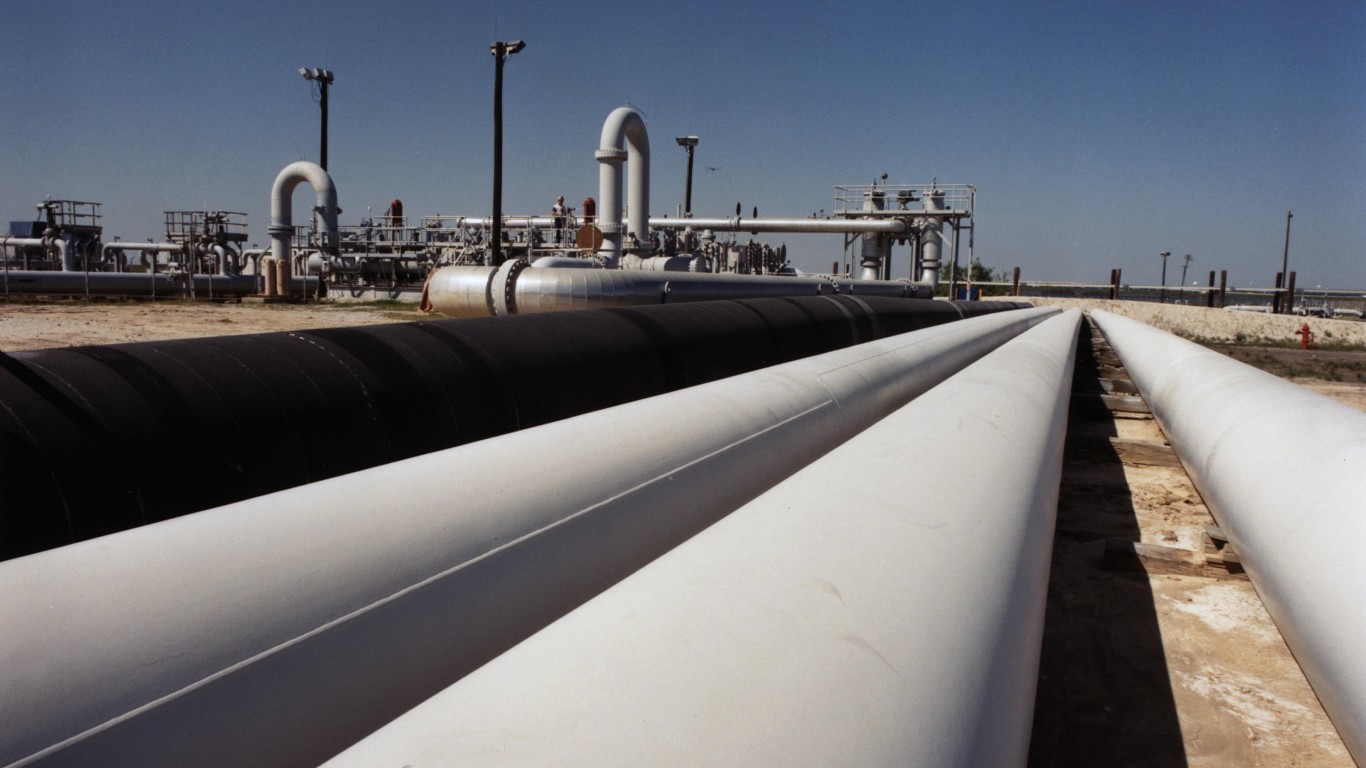
Add to that the cost of preparing additional storage facilities. In December 2006, the Department of Energy completed an environmental impact statement for expanding the SPR and proposed developing one new SPR site, expanding storage at two or three existing sites, and to fill the reserve to its authorized 1 billion barrel level. The Energy Department noted that building underground storage in salt caverns cost about a tenth the amount of building above ground storage tanks, and was more secure than above-ground tanks. Congress has authorized the purchase of a 10-million barrel cavern to replace the potential leaker for $33.5 million. That works out to $3.35 million for each million barrels. Multiply by 250, and the cost to add 250 million barrels to the SPR comes to more than $800 million, just for the storage facilities.
Here’s another way to look at the cost of strategic storage. The US has already spent $5 billion on SPR facilities for the 727 million barrels, so it’s not far-fetched to think that adding another 250 million barrels would cost about a third as much, or more than $1.5 billion. However you compute it, it won’t be cheap.
Other nations, particularly China, are also building strategic reserves of crude. The Chinese want to get 500 million barrels into storage by 2020. India is building a reserve of about 40 million barrels by the end of 2012. Oil prices above $100/barrel might give India pause, but the Chinese can certainly afford to pay that — and more. That’s the rub.
If both the US and China continue to build their strategic reserves, the price of crude will stay high and likely go higher. The average cost of a barrel in the existing US SPR is about $23.40. Those were the days.
Paul Ausick






 Top Gaining Stocks
 Top Losing Stocks