


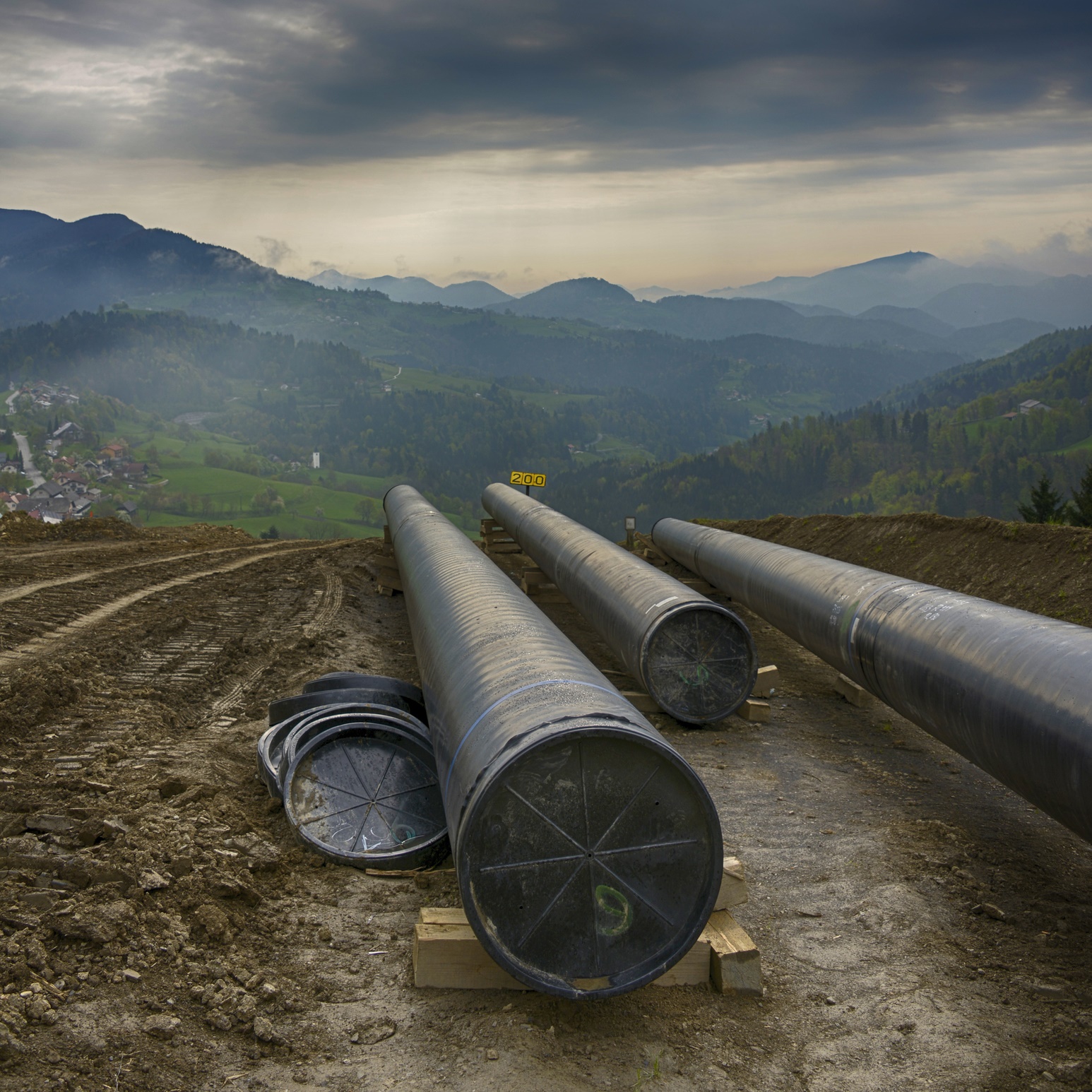
 The State Department recently supported a proposal to run a pipeline from Canada down the middle of the U.S. The Keystone XL project will, according to operator TransCanada (NYSE: TRP), create 20,000 jobs in the U.S. The company seems to have only the most modest factual support for that number.
Opposing the building of the pipeline are several environment groups. These groups fear a break in the line could cause a spill, perhaps the size of the one created by the Deepwater Horizon Gulf explosion. The environmentalist have no real support for their claims either.
The pipeline will cost $7 billion to build and run nearly 2,000 miles. The State Department is to rule on whether the project may begin, probably before the end of 2011. The approval likely will be forthcoming, if the department’s earlier comments are any indication.
The debate is futile, at least insofar as it helps the general public or media to decide the merits of the arguments made by the pipeline owners and the environmentalists. Neither side has released a detailed set of assumptions about job creation or about the odds that the line could break and flood some part of the U.S. with crude. Each side has a claim but cannot support it, at least not to the extent that the facts are convincing.
The debate is based on some of the same premises other infrastructure projects are. The most recent case of this is the investment in “shovel-ready” projects. The Administration sees these as a matter of jobs creation. The opposition thinks they are a way to dig a lot of holes in the ground. There is no list of specific shovel-ready projects the media or public can see. Some of the projects may have merit, if anyone actually knows what they are. Others may be impractical.
The Keystone XL project may be one of the great employment success of the next several years. It also may lead to one of the greatest environmental catastrophes of the next decade. Since no one other than the builder has any information about its blueprints, what the future of the project will bring is only a guess.
Douglas A. McIntyre







 Top Gaining Stocks
 Top Losing Stocks