


24/7 Wall St. Insights
- After the major expansion-era border disputes were settled, relations between the U.S. and Canada began to improve.
- Some of the main areas of disagreement between the two countries today involve maritime borders, trade tariffs, and energy policy.
- Also: 2 Dividend Legends To Hold Forever
Canada and the United States are about as closely allied and economically integrated as any two countries can be, but that doesn’t mean everything’s always “A-Ok, Eh.” Here are some of the biggest sticking points historically and today in relations between these two North American giants.
This post was updated on September 26, 2025 to clarify that loyalist migration went heavily to Ontario, Britain’s response to post Civil War issues, the date of the Alaskan Panhandle resolution, the resolution of the Alaska-Yukon land border, and U.S. cautious stance on India.
Colonial History
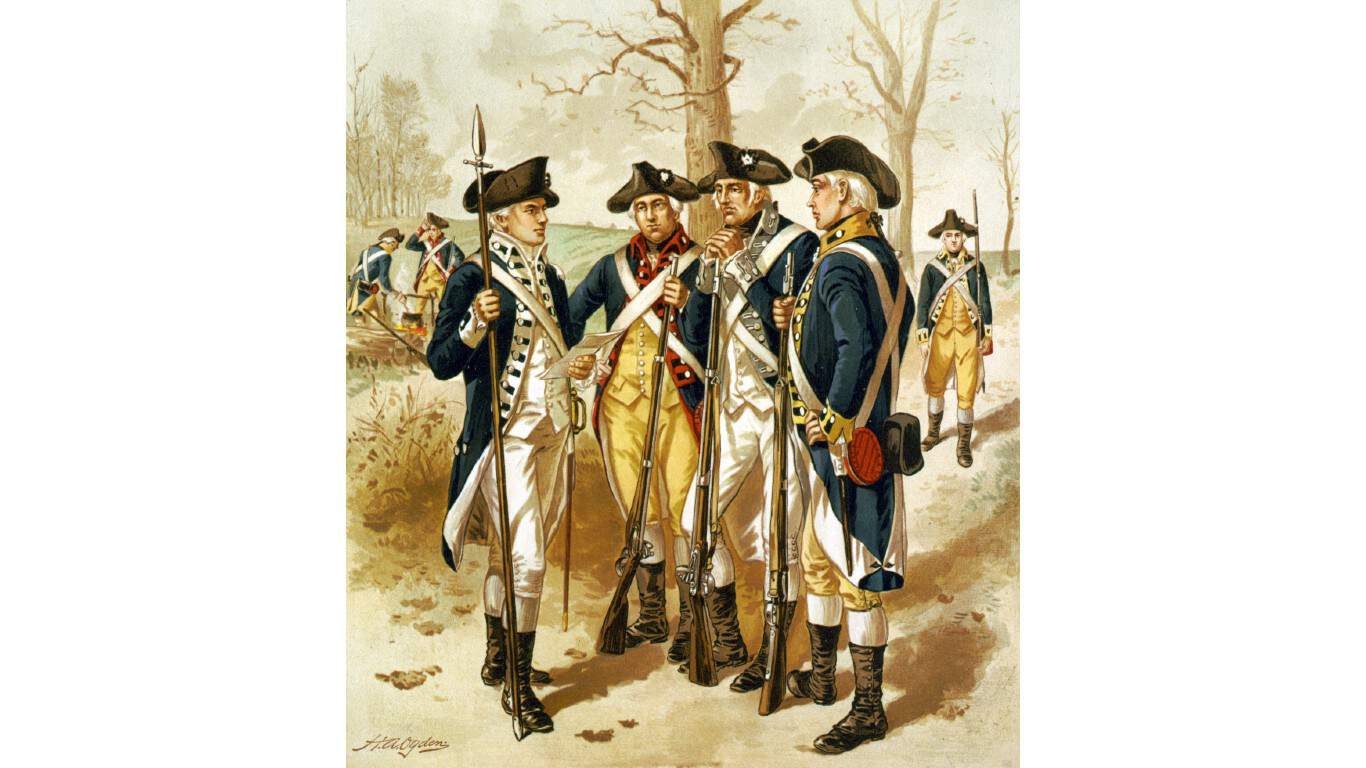
The American colonies had been settled by Britain for over 150 years before what is today eastern Canada was wrested from the French and added to the empire in 1763 (technically Britain had already taken control militarily in 1760; the treaty formalized the transfer). Only about 70,000 people lived there compared to about 1 million in the 13 American colonies. Canadians were invited to join the Revolution in 1776 but having just lost a war to the British a decade earlier, decided to pass on a rematch.
American Invasions
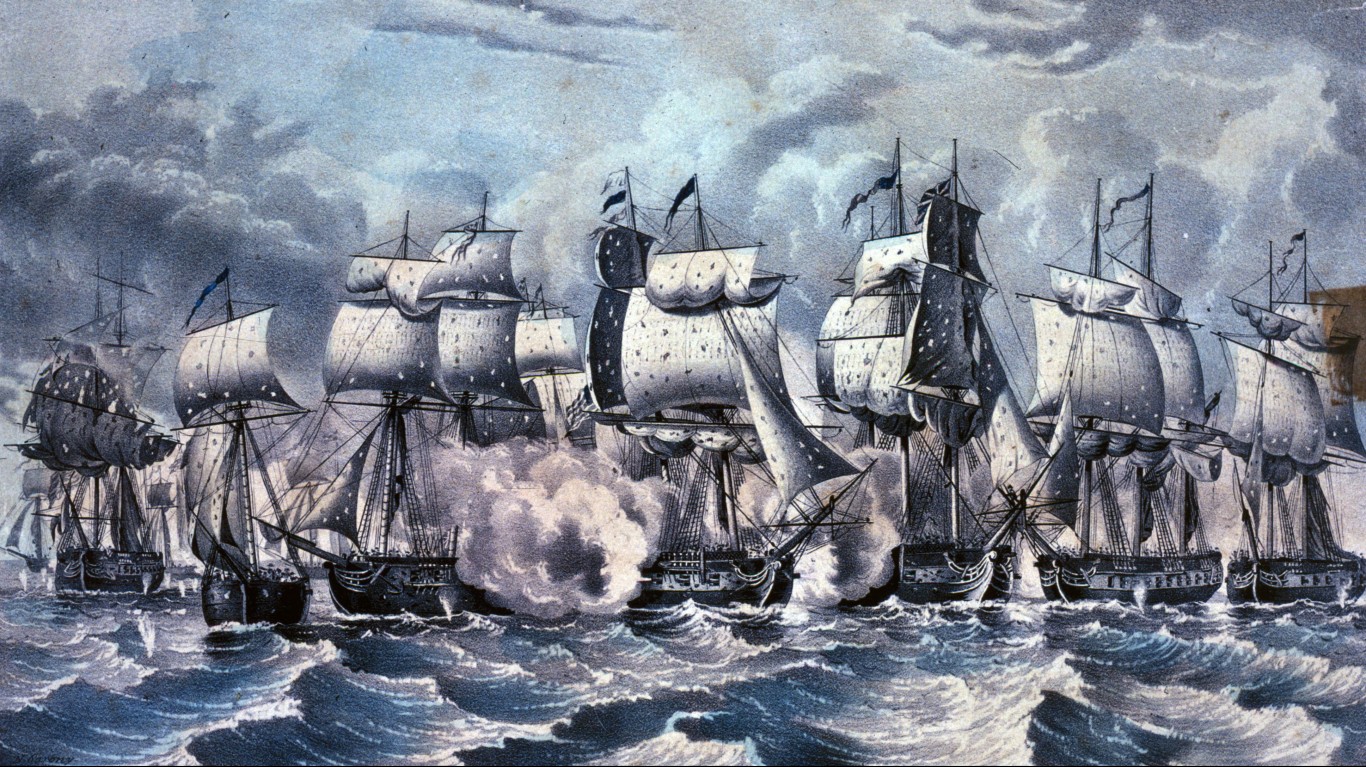
The American military invaded Canada during the Revolution and during the War of 1812 but were unable to rouse the Canadians to revolution nor hold 0n to their territory. Tens of thousands of loyalists fled the American colonies to Canada, particularly to New Brunswick, Ontario, and Nova Scotia, during the Revolution. Their influence contributed to a certain degree of anti-Americanism in Canada.
The Civil War
The British provided some assistance to the Confederacy during the American Civil War by helping them develop a navy to get past the Union naval blockade. Britain officially stayed neutral but allowed Confederate agents to contract British shipyards (e.g., CSS Alabama). Some American politicians demanded that the British pay $2 billion in reparations. After arbitration, the British paid $15.5 million in the 1871 Treaty of Washington settlement.
The Washington Border
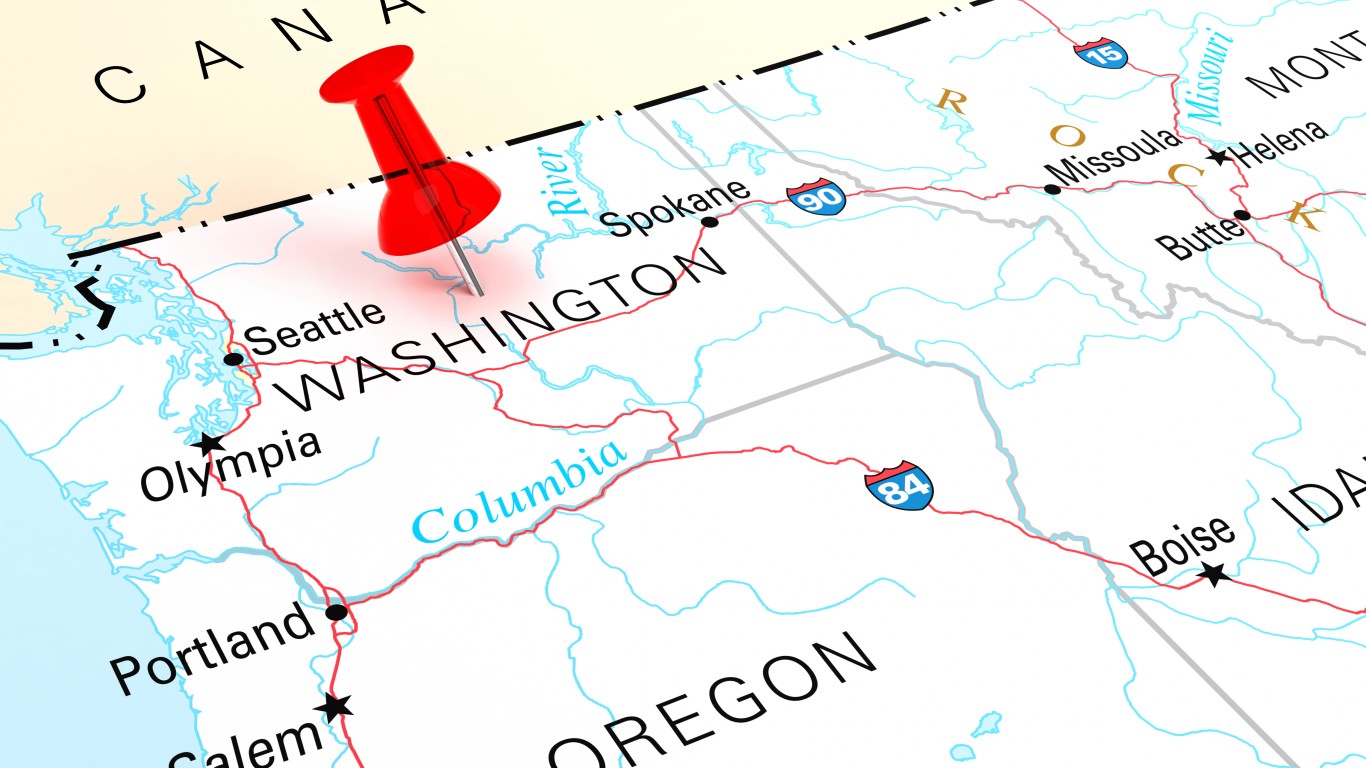
In the 1840s President Polk agreed to split the Oregon Country peacefully with the British, though he had threatened to go to war to claim all of British Columbia for the U.S. But by reaching this settlement, he could instigate the Mexican War and seize the bigger prizes of California and other areas to the southwest without having to fight the British at the same time.
The Alaskan Panhandle
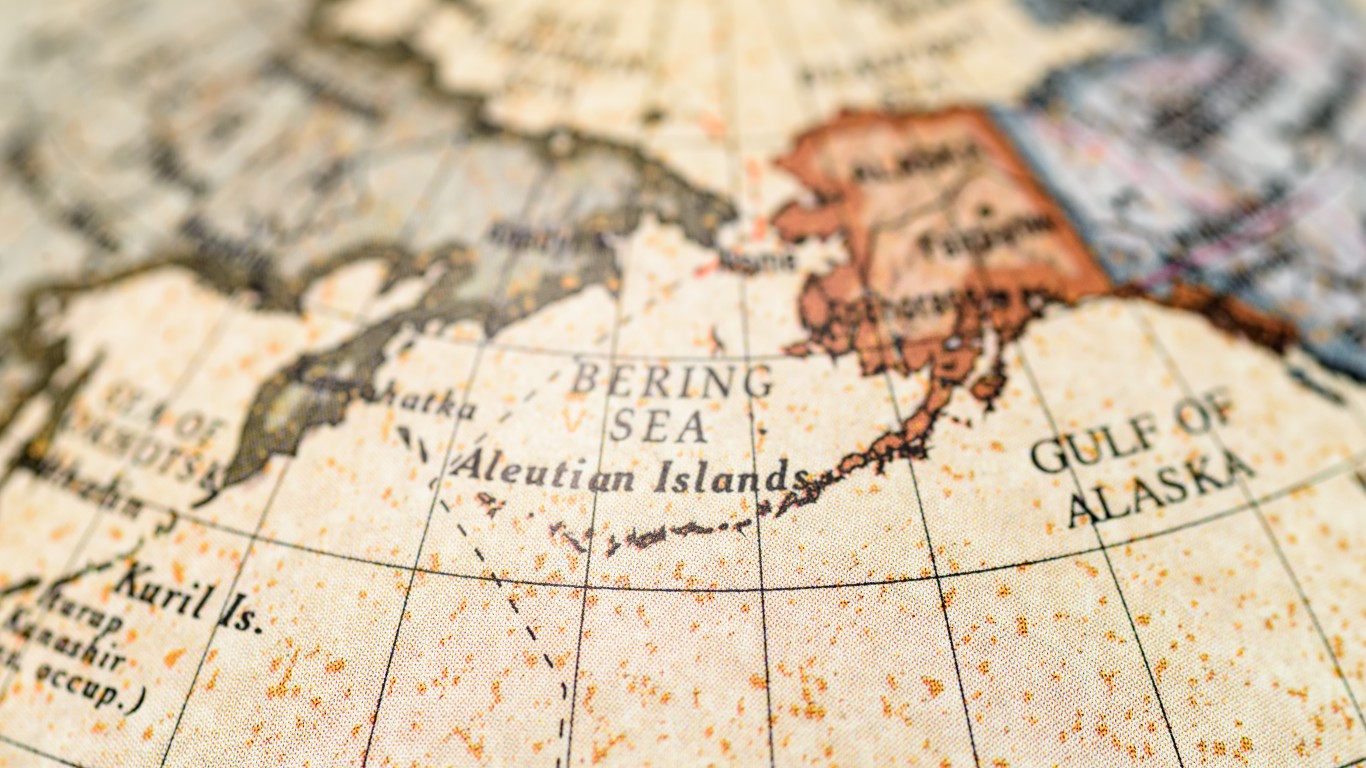
After the U.S. purchased Alaska from Russia in 1867, Canada wanted the Alaskan panhandle or at least enough of it to provide a convenient Pacific port for the Yukon territory, where gold was discovered. This would be a faster, cheaper, and safer route for exporting the region’s gold and bringing in miners and supplies, rather than having to go overland through the dangerous and untamed Canadian Rockies. Wanting to improve relations with the United States, Britain allowed the U.S. to retain the whole panhandle (settled in 1903 arbitration), angering the Canadians. This caused a lot of resentment against Britain in Western Canada and contributed to Canadian nationalism.
Atlantic Territorial Disputes
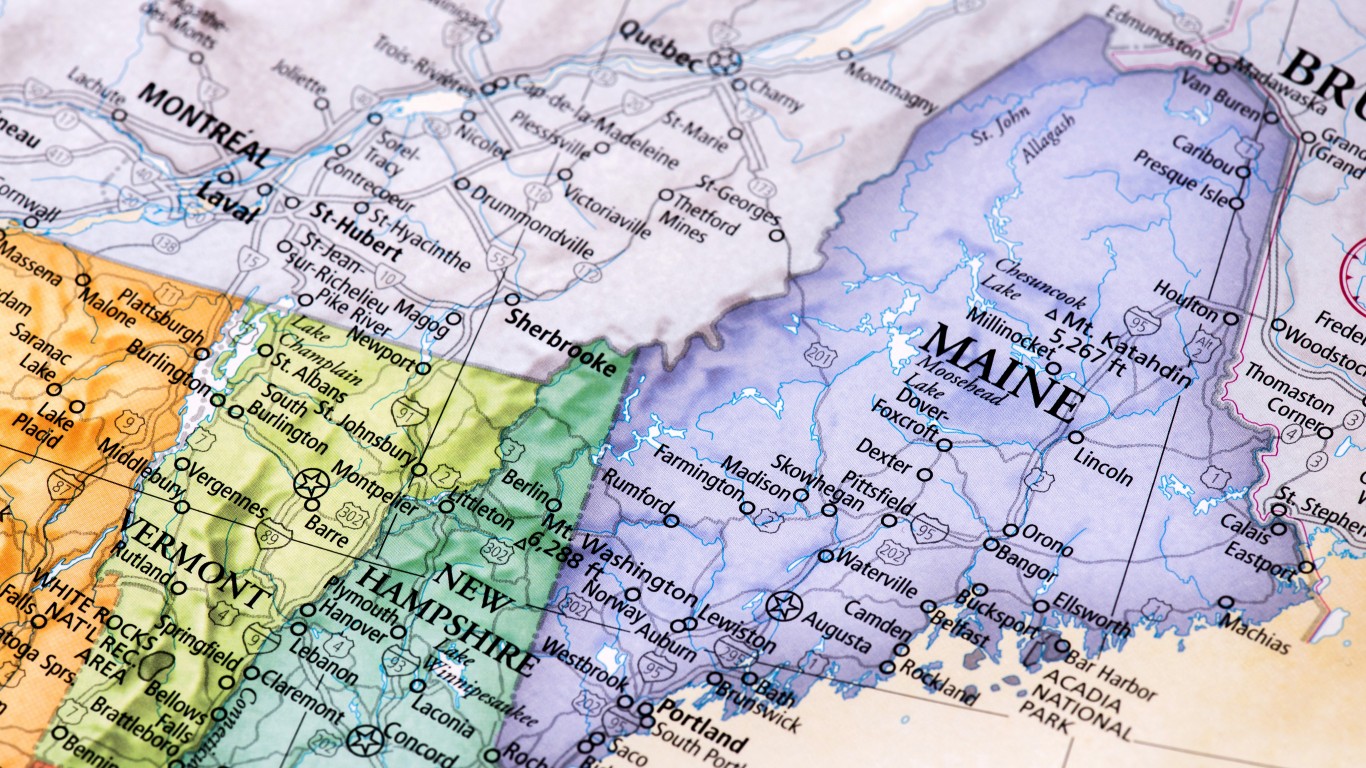
Seal Island and North Rock Island are disputed between Maine and New Brunswick. These islands are small but important because the surrounding area of the ocean is one of the best lobster fishing grounds in the world.
Pacific Territorial Disputes
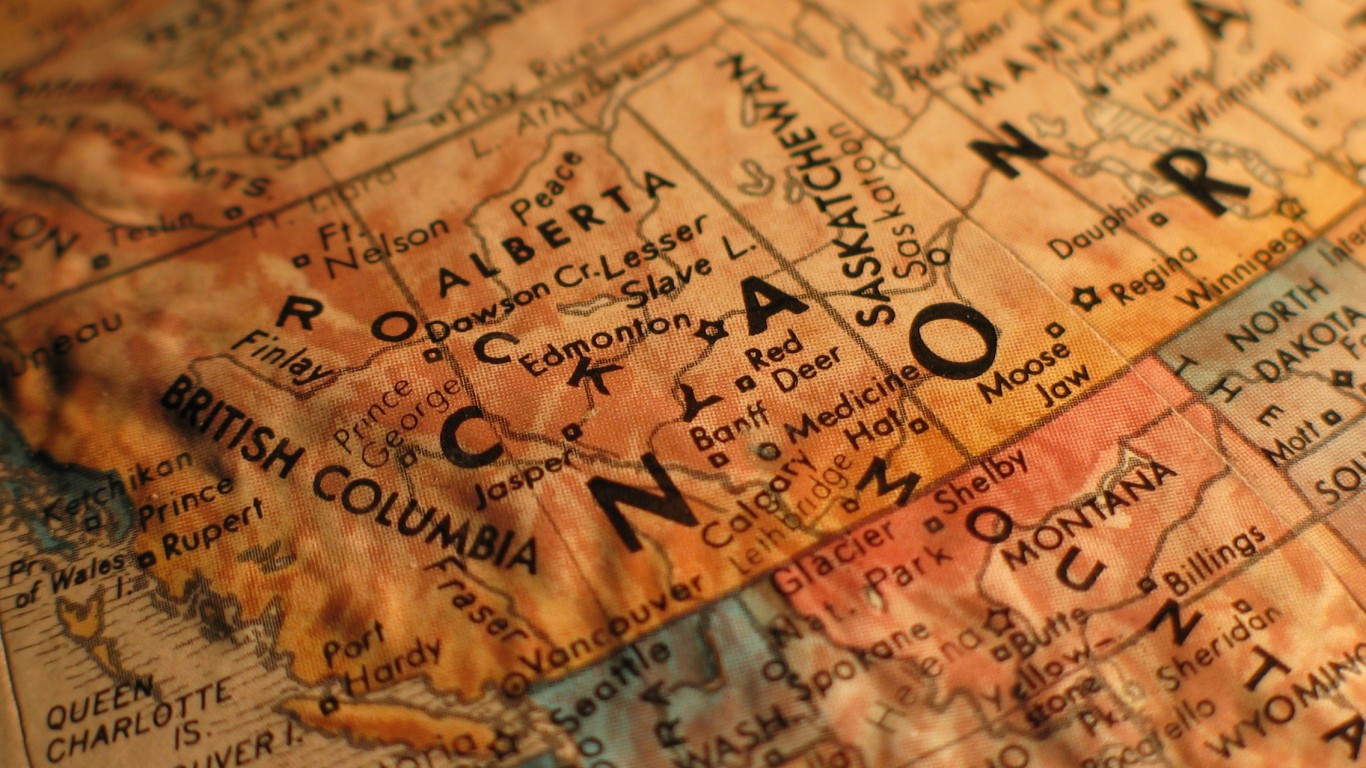
- The boundary between Washington State and British Columbia in the Pacific Ocean after the mouth of the Strait of Juan de Fuca is in dispute.
- Alaska and British Columbia have conflicting claims to the Dixon Entrance at the southern end of the Alaska panhandle.
Arctic Territorial Disputes
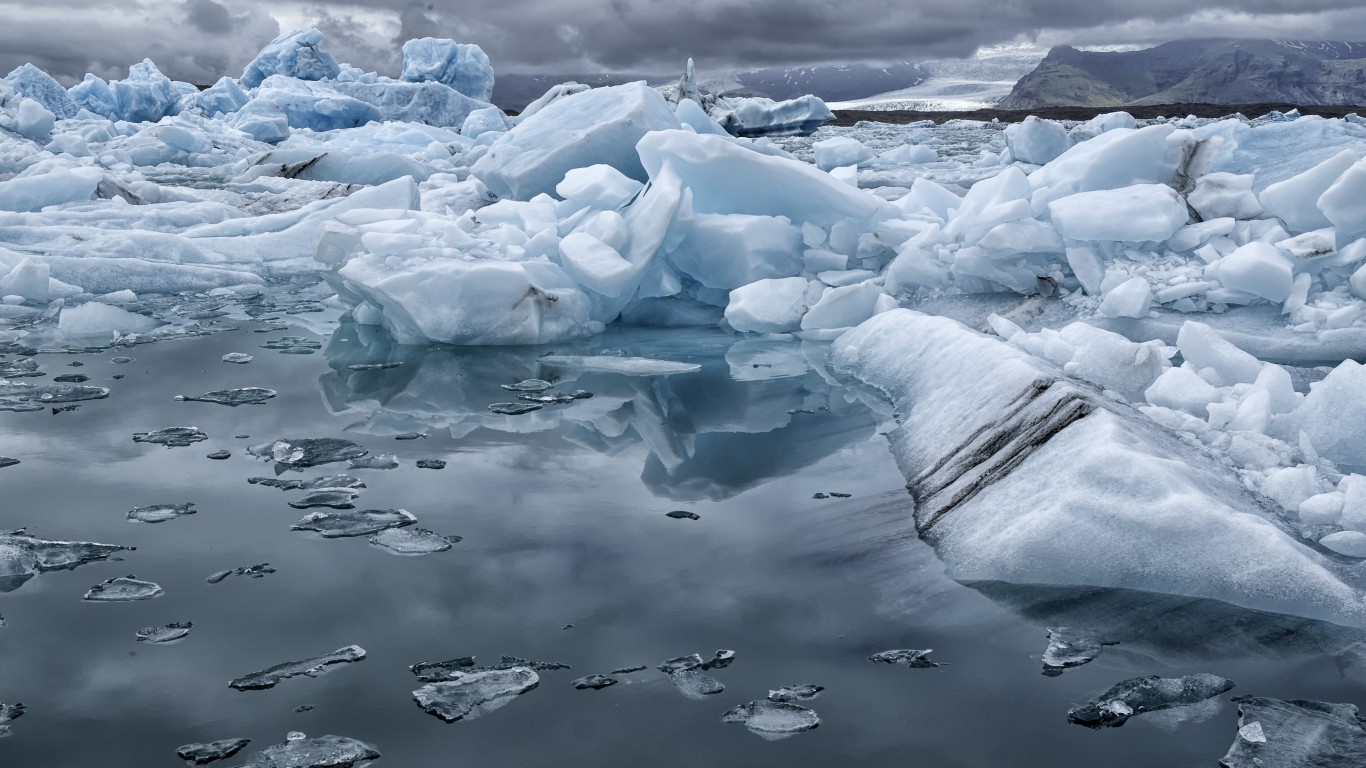
- The Alaska–Yukon land boundary was settled in 1903, but maritime boundaries in the Beaufort Sea remain disputed between Alaska and Canada.
- The United States and other countries consider the Northwest Passage between Canada’s northern islands to be international waters, but Canada considers this area part of its internal waters. This is important because climate change might make this into a major sea trade route between Europe and Asia.
Softwood Lumber
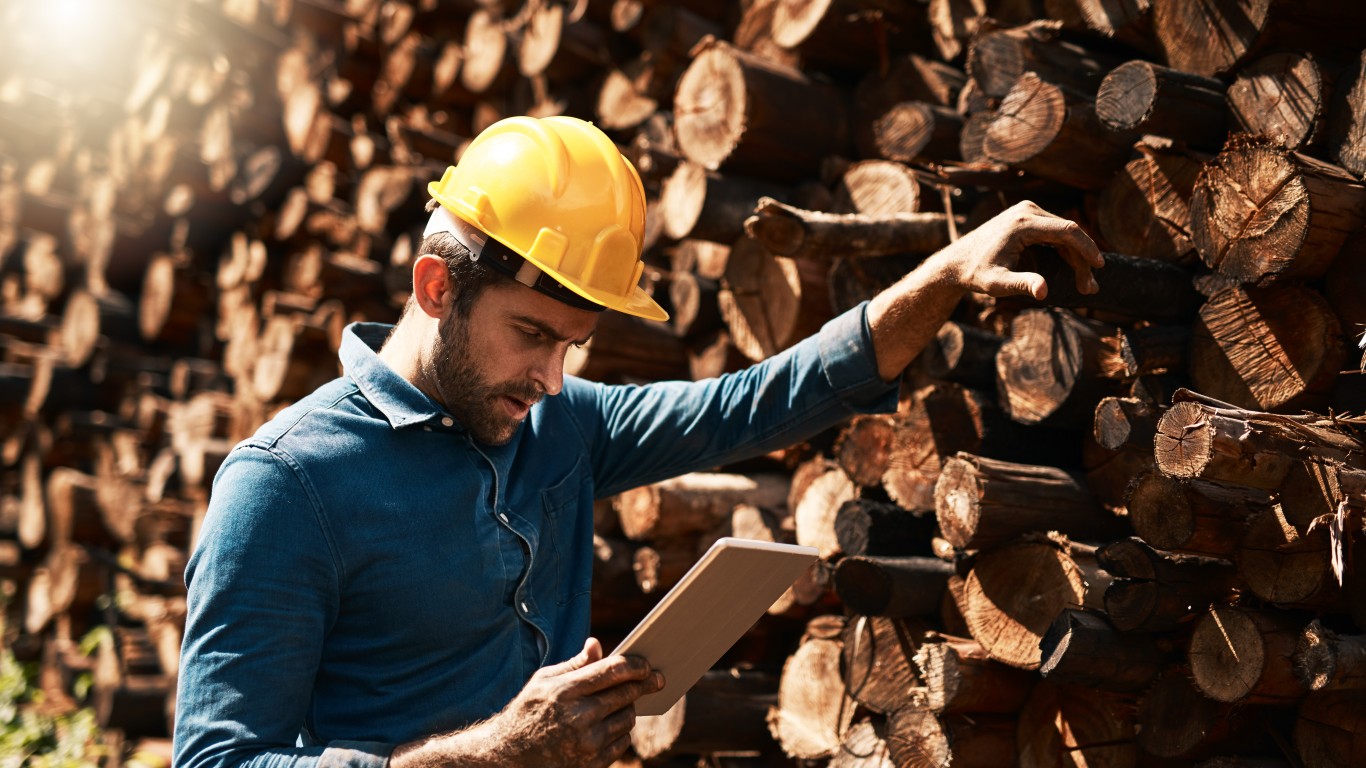
Canada, the United States, and Mexico have a free trade agreement but there are still disputes over specific commodities. The U.S. taxes Canadian lumber because it says that Canada subsidizes its lumber industry and creates unfair competition with American producers.
Dairy Products
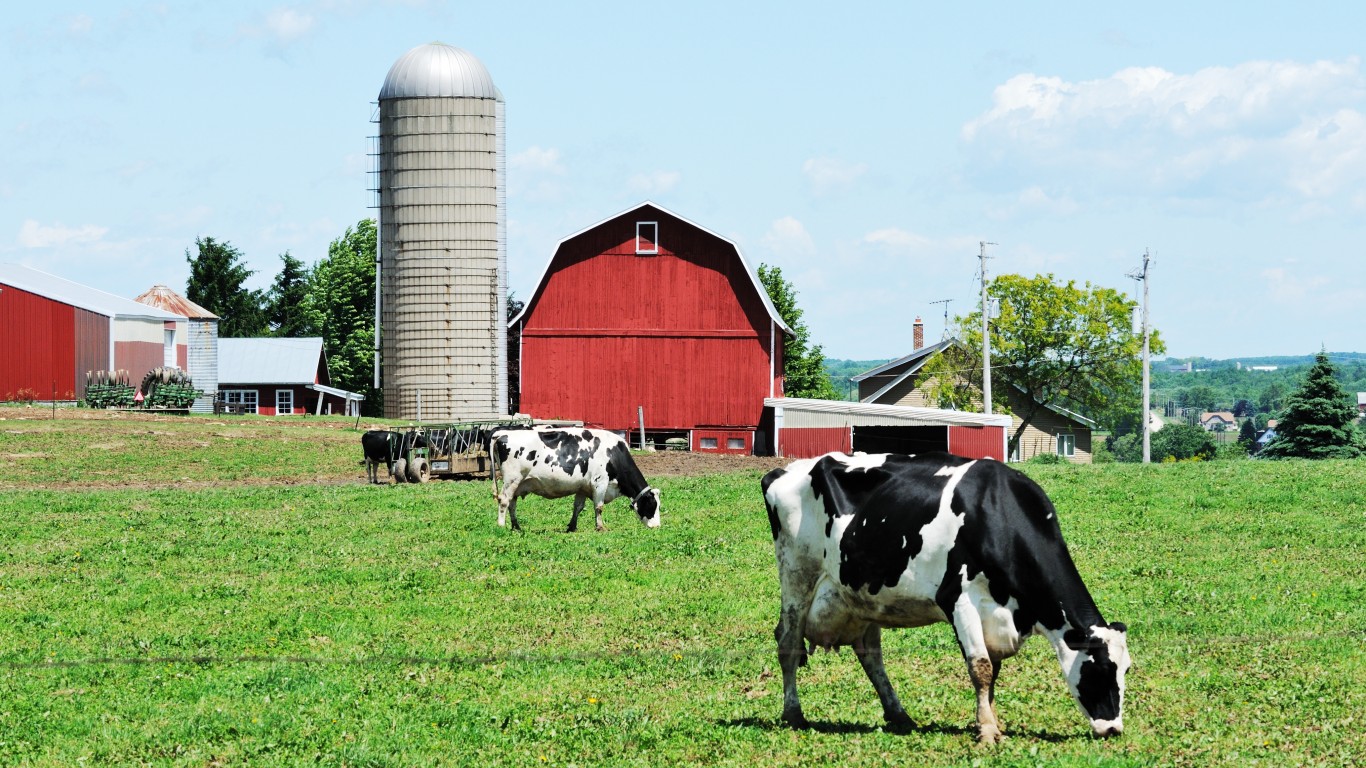
Canada uses a supply management system to regulate dairy imports, so that after a certain quota has been reached, imported milk is taxed 240% and butter 300%. The United States objects to this system as a form of trade protectionism and out of step with practices in other industrialized countries.
American Media
Canada is flooded with American media and wants to protect its culture from Americanization. It has done things like subsidizing Canadian media companies and requiring a certain percentage of Canadian-made content to be broadcast and distributed. The United States wants an end to these practices, which they say creates unfair competition that hurts American media companies.
Oil Exports
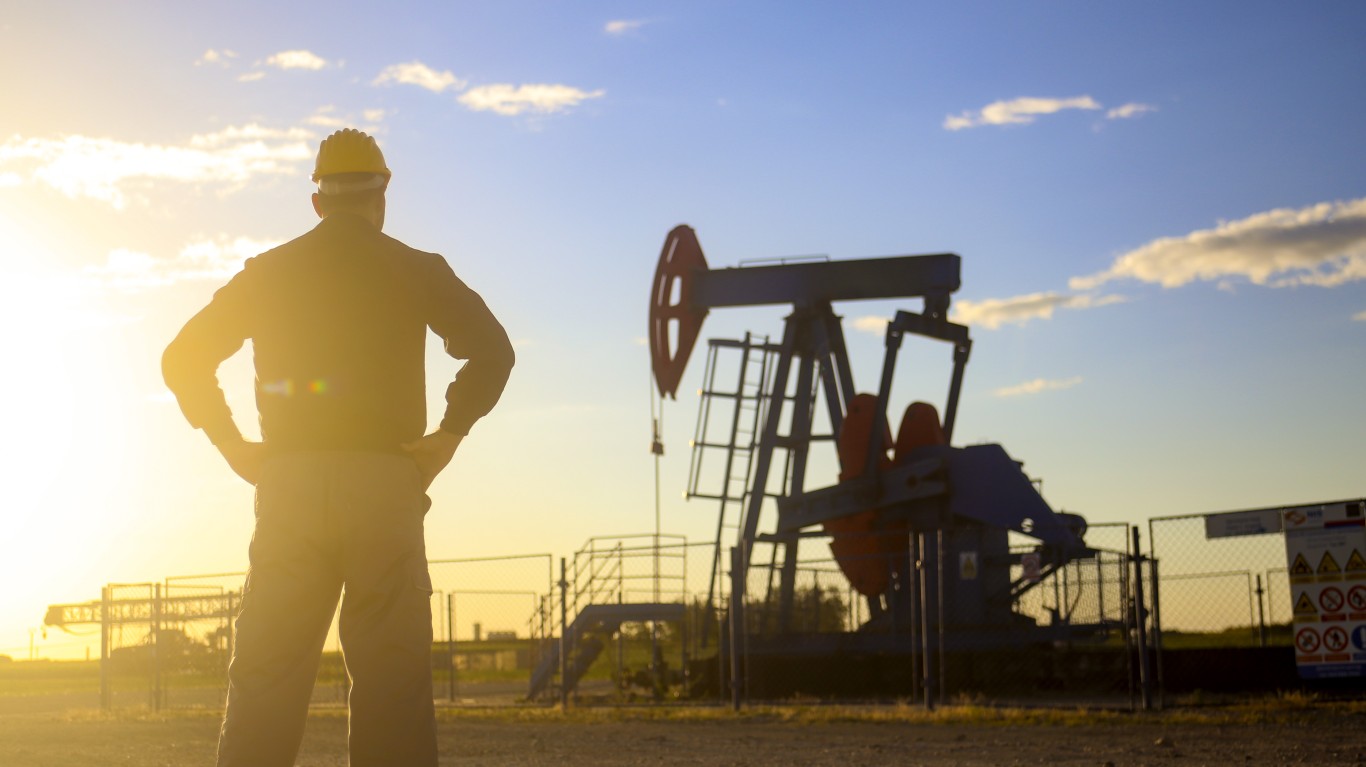
As of 2010, almost 100% of Canadian petroleum products were exported to the United States. However, that ready market source for them is endangered by two developments:
- The U.S. developed fracking technology that released huge domestic supplies of petroleum products and reduced the demand for foreign imports.
- Heightened concern for climate change and the movement toward more sustainable energy sources is forecast to reduce the demand for carbon fuels in North America and Europe.
The Keystone Pipeline
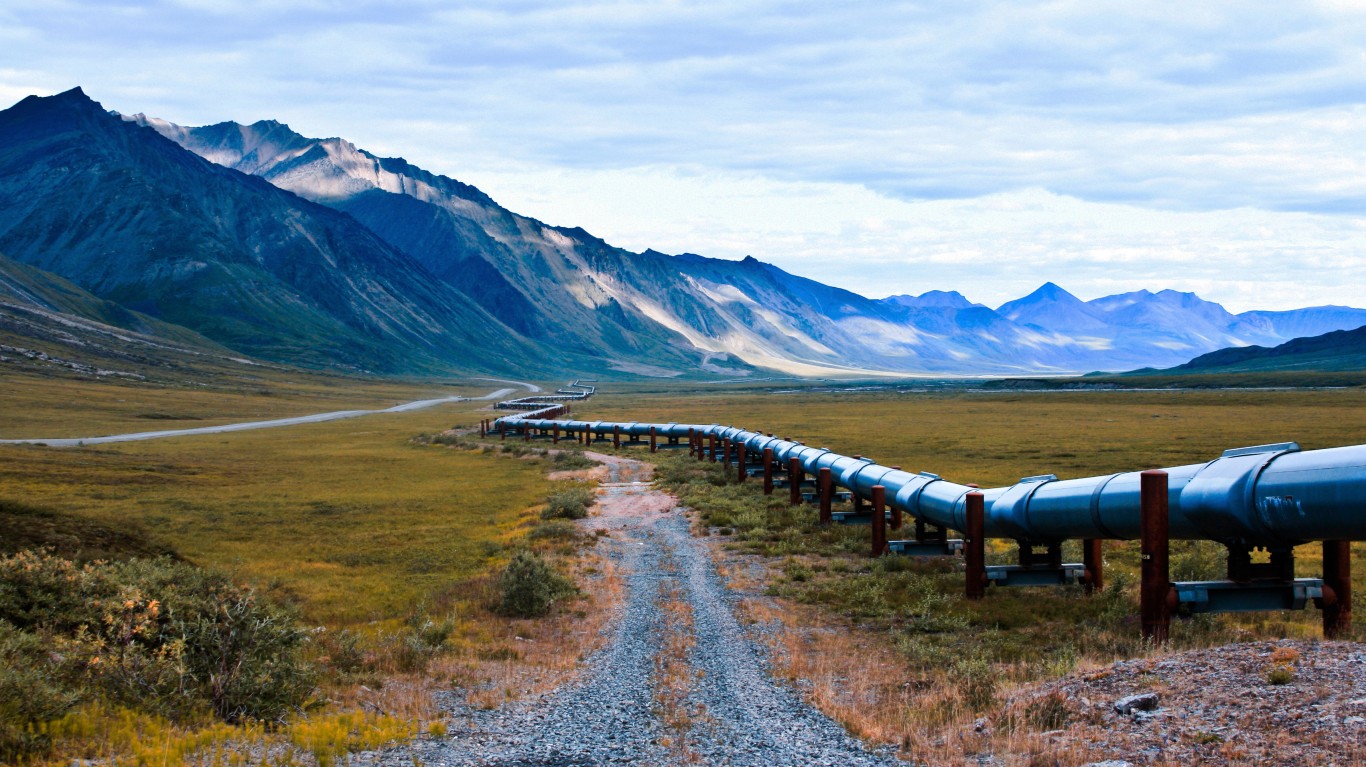
The Keystone Pipeline transports oil from Alberta to a junction point in Nebraska, from which it goes on to refineries in Illinois and Oklahoma. There were plans to build a new Keystone XL pipeline in a more direct line from Canada to Nebraska and on to the Texas coast for export. This had to be cancelled due to fierce opposition from American environmentalists.
The India-Canada Dispute
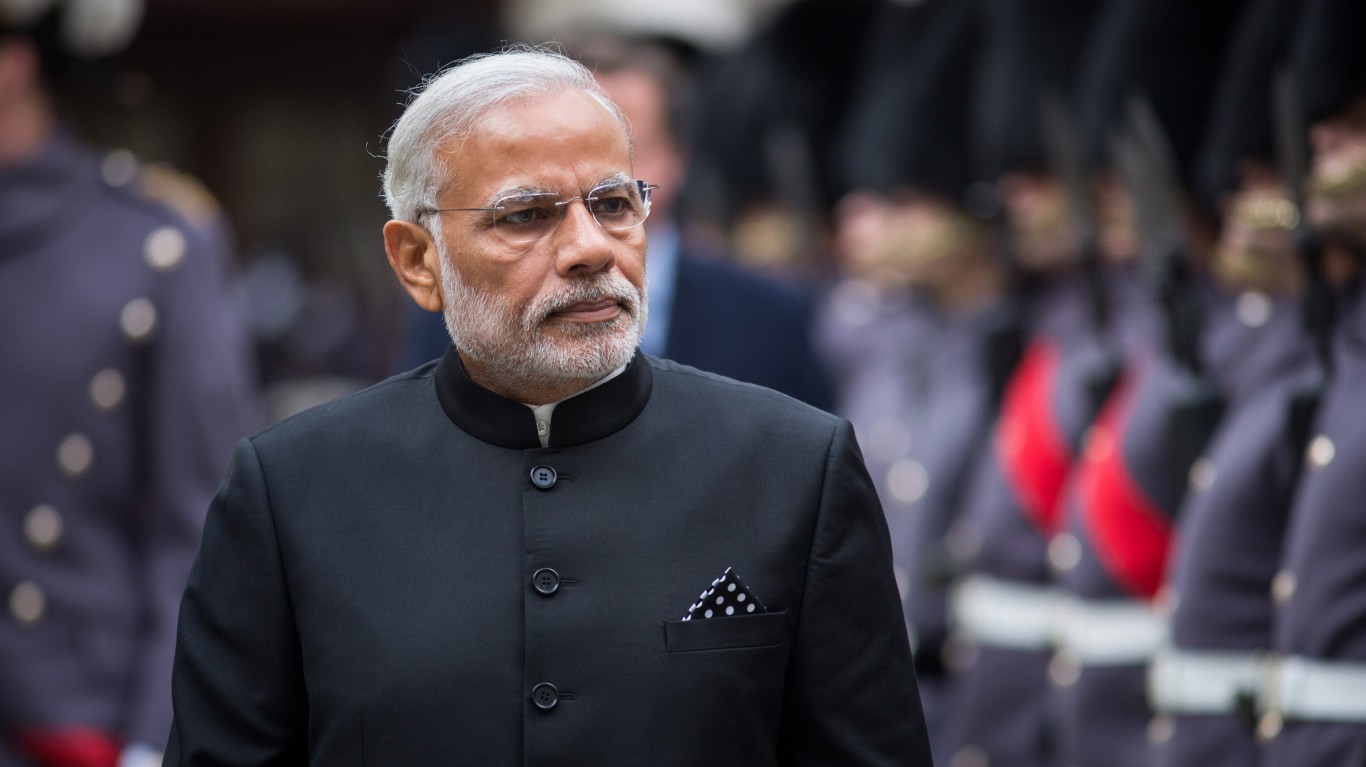
Canada is currently involved in a serious diplomatic dispute with India. Canada says India was behind the assassination of a Canadian Sikh citizen who advocated creation of an independent Sikh country called Khalistan to be carved from Indian territory. The two countries have been expelling each other’s diplomats and have frozen discussion of two pending trade agreements. Both Canada and India are highly important countries to the United States so this breakdown in relations between them is bad for U.S. interests. Rather than choose between them, the U.S. would like to play both sides. As such, the U.S. position is cautious: they called for India to cooperate in Canada’s investigation but avoided directly accusing India.










 Top Gaining Stocks
 Top Losing Stocks