


 An article in The New York Times argues, without much support, that if the Strait of Hormuz is closed for any amount of time, oil prices will rise 50% and gas will move to $4. The narrow body of water is a transportation point for about 20% of the world’s crude. Whether or not a 50% increase calculation is accurate depends on several factors that have not been discussed much. One of those is the size of the world’s strategic oil reserves.
Another possible factor is that OPEC, particularly Saudi Arabia, has indicated it will increase production to offset an interruption in supply. The problem with this solution is that the largest oil producer may not be able to ramp up production that quickly.
Other large oil producers might step in temporarily to increase supply. The list of countries that might have that capacity includes Canada and Russia. But the logistics of a rapid increase in production and shipping may be too great to help short term, and they could overwhelm most efforts to quickly increase shipments.
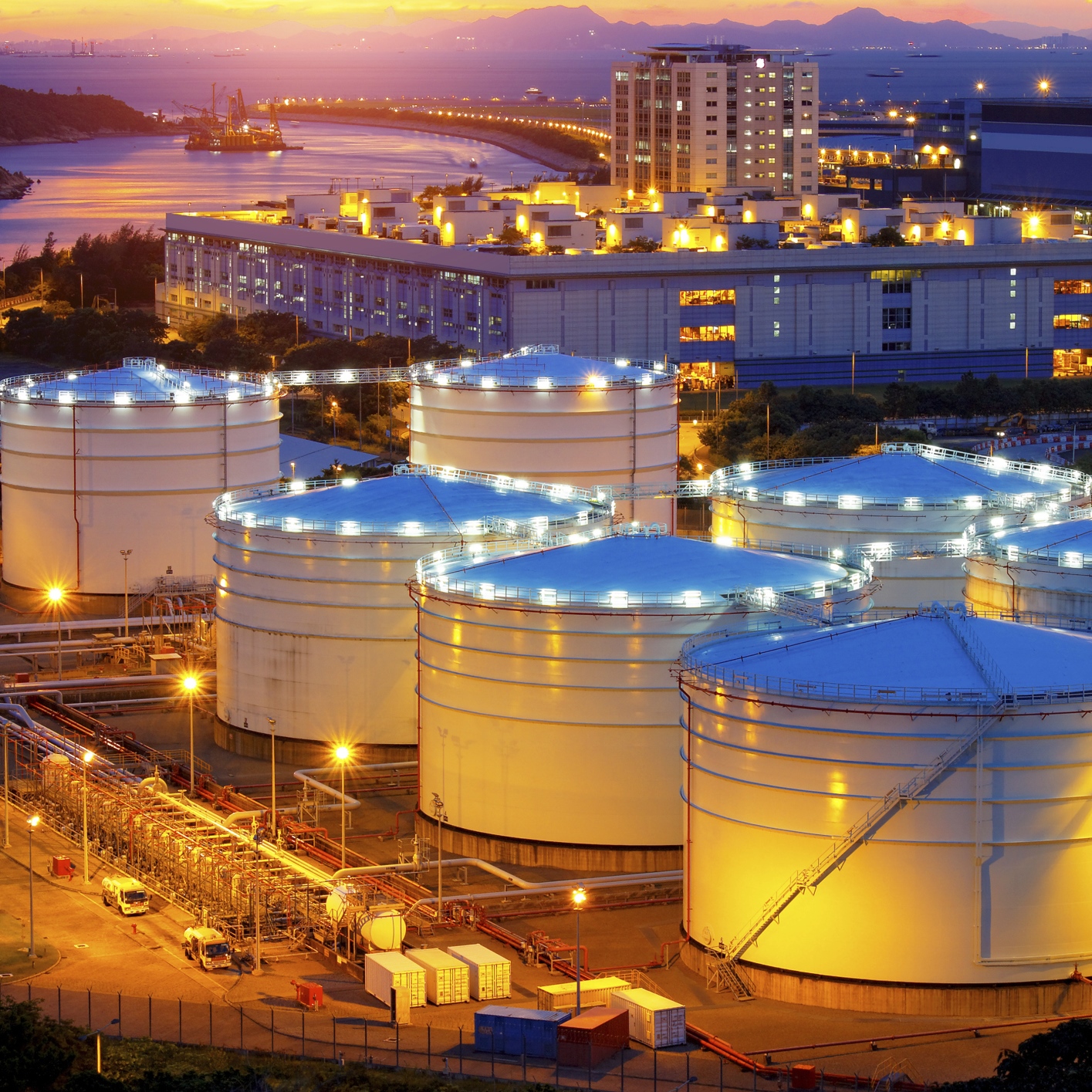
There would have to be a bridge between production increases from countries like Canada, if Canada would agree to help. The United States Energy Information Administration reports that there are 4.1 billion barrels of oil held in strategic oil reserves. About a third of those are controlled by national governments. All 28 members of the International Energy Agency have agreed to keep 90 days of crude, based on annual consumption, in reserves.
To keep oil prices from soaring, may of the IEA nations would have to release reserves at the same time. That is not out of the question. It happened last June when turmoil in Libya and the other parts of the Middle East became a threat to the flow of crude. A new spike in oil prices would do a great deal to damage whatever slight improvement the global economy has made in the past year. That makes the decision to tap reserves an easy one.
Douglas A. McIntyre






 Top Gaining Stocks
 Top Losing Stocks