


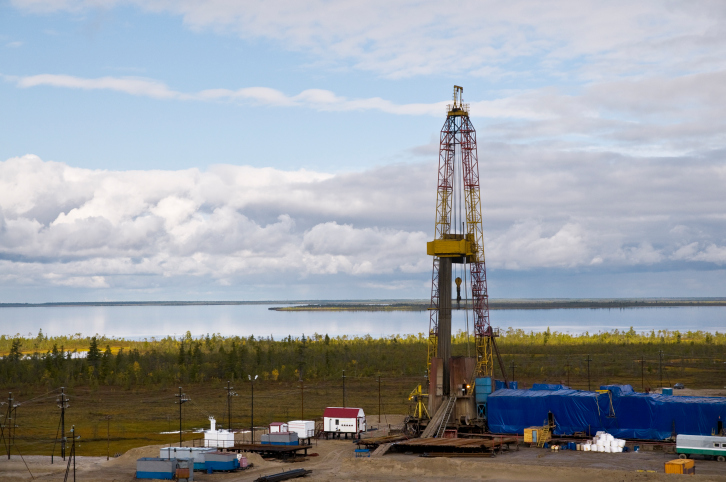
The Organization of Petroleum Exporting Countries in its report for January said the United States in 2013 may post the highest oil supply increase among non-member states. U.S. oil production should increase by 490,000 barrels of oil per day this year to reach an average of 10.4 million bpd. OPEC said much of the production increase should come from more drilling in the Gulf of Mexico and the oil boom under way in North Dakota. Production from member states Iran, Iraq and Saudi Arabia, meanwhile, declined. Riyadh said recently it wasn’t trying to manipulate the commodities market and, given the downbeat assessment of the U.S. economy, it may be congressional leaders that eventually face the ultimate blame for economic woes despite the oil boom.
OPEC in its January report said it expected U.S. oil supply to increase in 2013. This sentiment was supported by increased drilling in the Gulf of Mexico. Oil supply levels in North Dakota, meanwhile, continued to set records while onshore production in Texas showed what the cartel said was “healthy growth.” U.S. oil supply in 2013 is expected to increase by nearly 5 percent to 10.44 million bpd, which OPEC said was the highest projected increase for non-member states.
For OPEC members, overall crude oil production was down more than 1.5 percent from November figures to settle at 30.37 million bpd in December. The cartel said production fell in Iraq, Iran and Saudi Arabia. Riyadh had defended allegations it was trying to manipulate commodity markets when it cut its own crude oil production by nearly 5 percent. The oil-rich kingdom has kept markets stabilized in the past, mostly recently when Libya was shut out of the oil markets by war. But given the increase in production from non-OPEC members, and following reports from Citigroup the kingdom may become a net importer, Riyadh may simply be making room for emerging oil majors like the United States.
Overall, world oil demand for 2013 remains unchanged according to OPEC at 800,000 bpd. The cartel, however, said it expected a marginal decline of 200,000 bpd compared to 2012 for OPEC crude. The modest adjustments follow estimates from OPEC that the global economy will grow by 0.2 percent to 3.2 percent in 2013. That’s unchanged from OPEC’s market report in December. China, Japan, and even the Eurozone, are all expected to show some level of growth this year.
The emergence of the United States as a global oil leader, however, adds virtually nothing to stimulate the nation’s economy, according to OPEC. OPEC said its growth expectations for the U.S. economy remained at 2.0 percent, unchanged from December’s report. The cartel said U.S. oil consumption, a reflection of economic health, could return to negative territory if congressional leaders are unable to settle ongoing fiscal issues related to the debt ceiling. The U.S. Treasury Department last year averted a fiscal disaster by taking some measures to ease debt concerns. The cartel said if no solutions are found to the pending financial chaos, however, the U.S. economy may take a hit on its gross domestic product. Fitch Ratings this week said the U.S. credit rating is in jeopardy should negotiations on the debt ceiling go nowhere. For OPEC, meanwhile, there are fears of “major uncertainty” in the U.S. economy.








 Top Gaining Stocks
 Top Losing Stocks