


The OPEC meeting on November 30 could result in a cut of nearly 2% to the world’s daily output if Saudi Arabia gets its way. The Saudis are pushing a cut to daily production to a ceiling of 32.5 million barrels a day for the cartel and cuts of around 500,000 barrels a day from other producing nations.
The cuts would not include any reductions from Iran, Iraq, and Nigeria, and under a one of the proposals would allow these OPEC members to increase production. Saudi Arabia, the cartel’s largest producer, would take the brunt of the cuts.
Any of these proposals will be a hard sell, both to other OPEC members and to other producers, especially Russia, where production has topped 11 million barrels a day in recent months. According to The Wall Street Journal, Russia’s oil minister has said that his country would effectively freeze, but not cut production, by not adding a planned 200,00 to 300,000 barrels a day of new production.
[nativounit]
Non-OPEC producers like Brazil and Mexico have also demurred. Brazil’s state-controlled oil company, Petrobras, is publicly traded and that limits its ability to turn off the spigots. Mexico’s new drive to privatize some production would be stalled if the country were to impose limits on production.
There are at least two big problems facing the Saudis. First, storage tanks are full or filling in many importing nations and this has led to oil being stored on tankers that have nowhere to go.
Second, there are still more than 5,000 drilled but uncompleted (DUCs) in the U.S. that could be brought into service relatively quickly to make up any shortfall in OPEC supply. Because these wells can break-even at around $45 a barrel and make a profit at around $50, U.S. producers are likely to welcome a production cut by competitors now that they can export crude again.
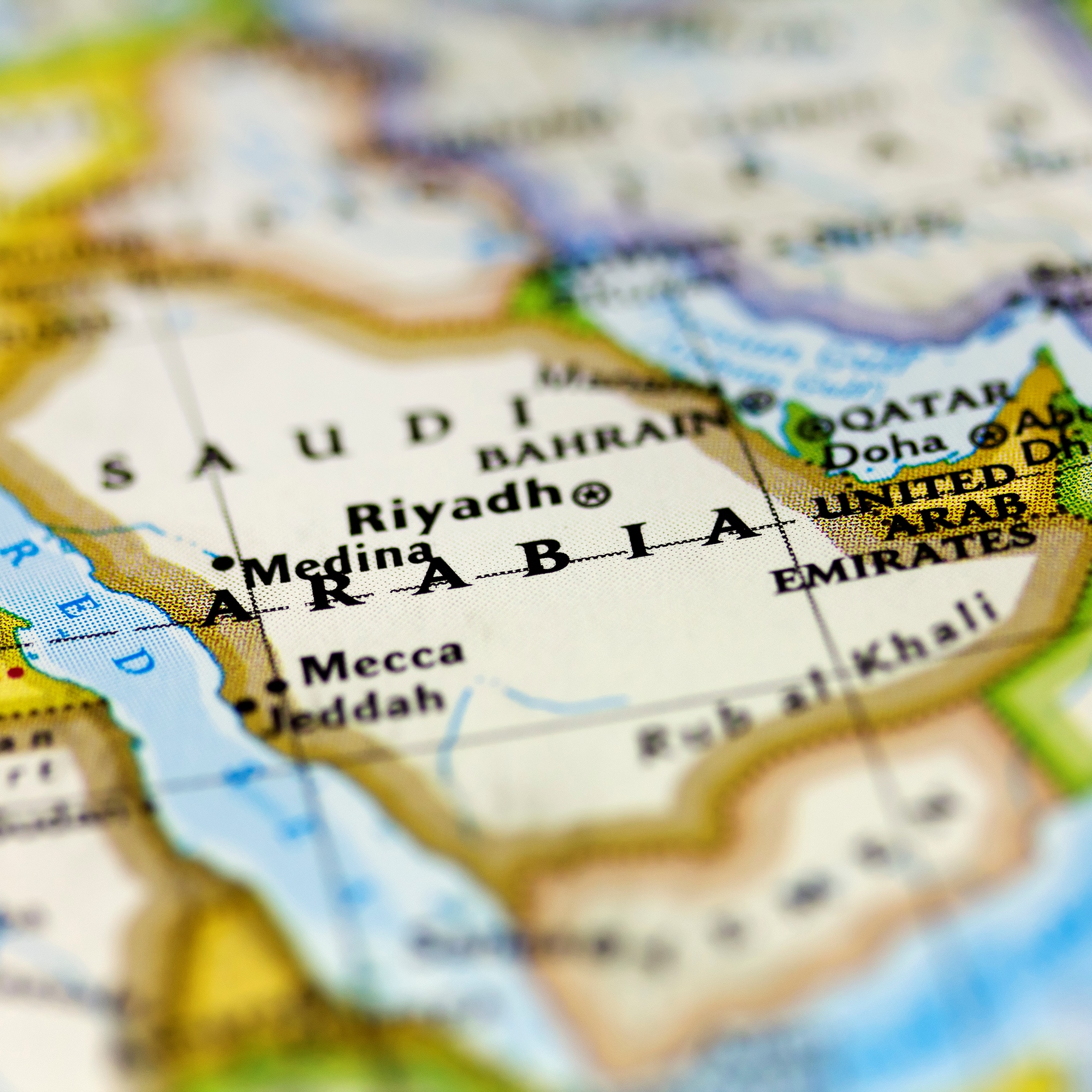
Then, of course, there are the politics. Saudi Arabia wants to maintain its dominance in OPEC and especially among the Persian Gulf countries. Iran and Iraq would like to chip away at the dominance. Neither country has so far indicated any willingness to do anything other than produce as much oil as it can. John Kemp at Reuters sums it up neatly:
In theory, the negotiations turn on mundane issues including claims for exemptions and the use of members’ own production data versus estimates from “secondary sources” to establish baselines from which to cut.
In reality, the negotiations are about the profound issue of sharing out oil revenues and diplomatic, military and economic power, which is what makes progress so difficult.
WTI crude for January delivery traded down more than 1% early Friday morning at $47.42. Brent crude also traded down by more than 1% at $48.40.
[wallst_email_signup]








 Top Gaining Stocks
 Top Losing Stocks