


Oilfield services firms have been allowed to work in Mexico, and Halliburton Co. (NYSE: HAL) is especially well-positioned to step up its business in Mexico. Last summer the company agreed to provide production services at a price of one cent per barrel in a new field believed to hold 341 million barrels of oil equivalent. Halliburton has worked in Mexico for years, and the company’s patient spade work is likely to lead to more contracts now.
Another area with great potential in Mexico is shale oil and gas. The Eagle Ford shale region in south Texas extends across the international border into Mexico and is completely undeveloped there. Major Eagle Ford producers like EOG Resources Inc. (NYSE: EOG), Chesapeake Energy Corp. (NYSE: CHK) and ConocoPhillips (NYSE: COP) are in a solid position to chase the opportunities south of the border.
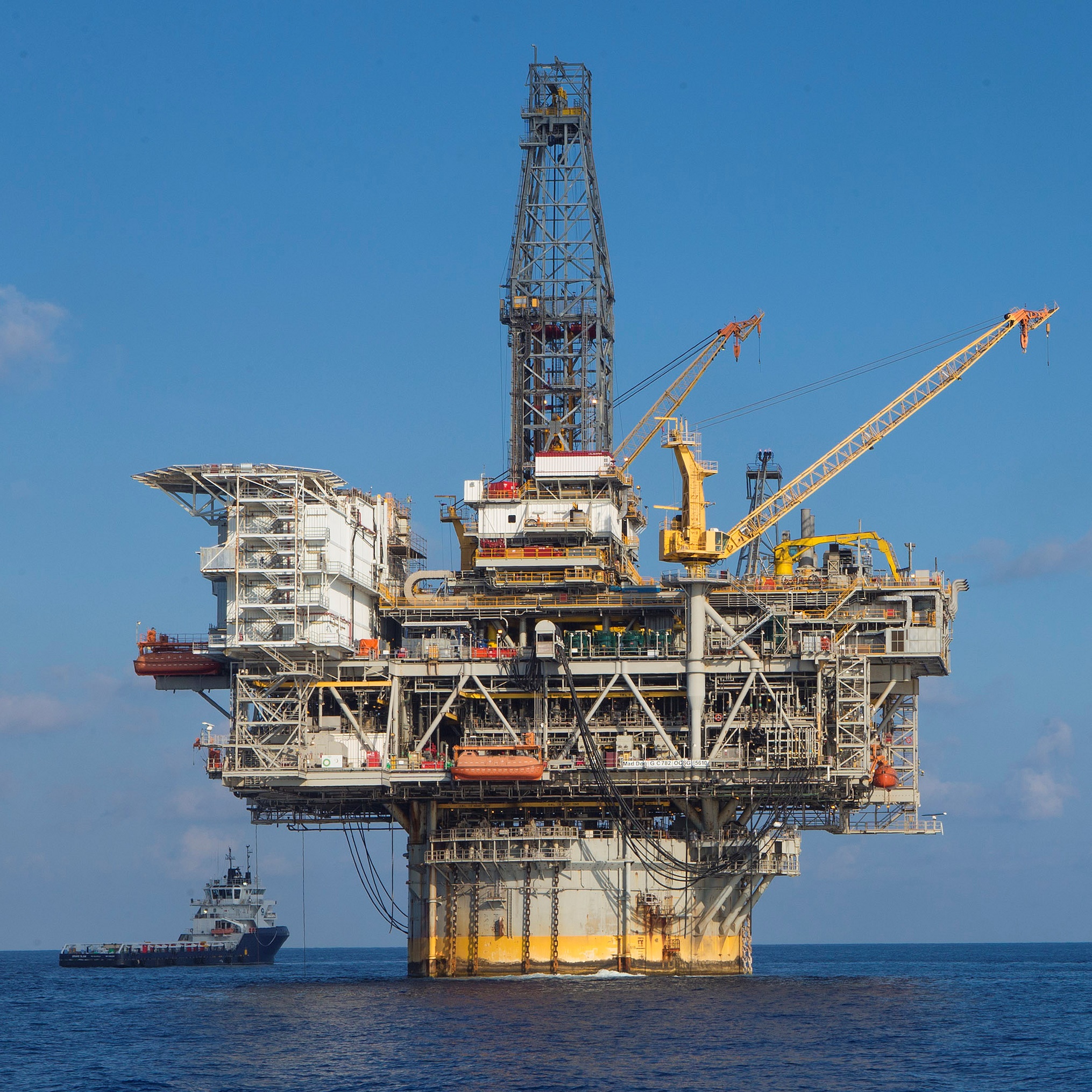
Pemex has been unable to coax more oil from the offshore Cantarell field, the largest conventional oil field in the western hemisphere. From a peak production level of about 2.1 million barrels a day in 2003, production today is barely 400,000 barrels. Mexico’s suspected deepwater and ultra-deepwater have yet to be accurately measured, but Pemex estimates reach as high as 50 billion barrels. The company has neither the cash nor the expertise to develop those deepwater resources and will have to turn to foreign firms like Chevron Corp. (NYSE: CVX), which can bring the required experience and cash to deepwater.
Under the new law, Mexico will offer profit-sharing and production-sharing contracts and licenses to foreign firms, but will maintain ownership of the oil and allow the firms to book the reserves, a crucial concern for the oil companies that depend on reserves for valuation and borrowing purposes. Mexico will also establish a sovereign oil fund similar to Norway’s that will direct some of the profits into a long-term savings account to be used to fund government obligations in the future.
To say that oil companies have looked forward to this day is to put it mildly. It is a great day for Mexico as well.







 Top Gaining Stocks
 Top Losing Stocks