


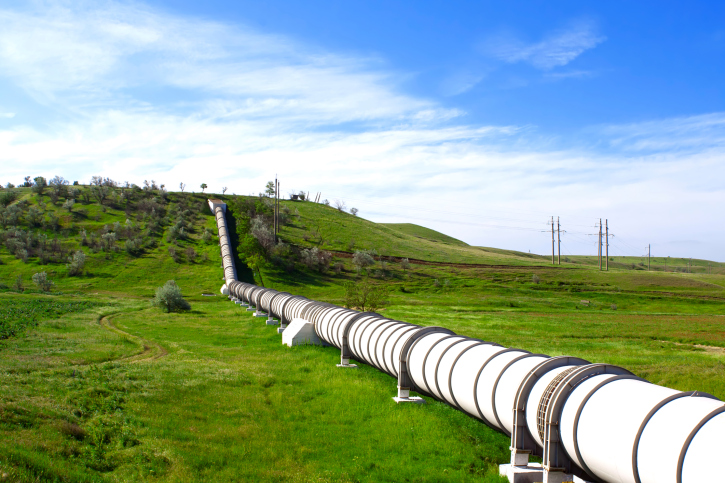
Regarding the impact of the pipeline on petroleum markets, the SEIS notes:
The updated market analysis in this Supplemental EIS—similar to the market analysis sections in the 2011 Final EIS and 2013 Draft Supplemental EIS—concludes that the proposed Project is unlikely to significantly affect the rate of extraction in oil sands areas (based on expected oil prices, oil-sands supply costs, transport costs, and supply-demand scenarios).
Whether Keystone XL is built or not, oil sands development will continue and the oil will find its way to market by alternate pipelines, rail tankers, and barges.
The SEIS estimates greenhouse gas emissions too:
The total lifecycle emissions associated with production, refining, and combustion of 830,000 bpd of oil sands crude oil transported through the proposed [Keystone XL pipeline] Project is approximately 147 to 168 MMTCO2e [million tons of carbon dioxide equivalent] per year. The annual lifecycle GHG emissions from 830,000 bpd of the four reference crudes examined in this Supplemental EIS are estimated to be 124 to 159 MMTCO2e.
The Keystone XL would add between 1.3 and 27.4 MMTCO2e per year according to the SEIS. The document also discusses spills and spill mitigation measures that TransCanada would have to follow if the project is approved.
And speaking of approval, that is no less than 90 days in the future and probably longer. A 30-day public comment period begins on February 5th and ends on March 7th. The final decision on whether or not to issue a Presidential Permit to allow construction and operation of the pipeline.
Given that there are no apparent major new reasons to deny a construction permit, the decision now will turn on whether or not the Keystone XL meets the criteria of being in the national interest. That determination will ultimately be made by President Obama.







 Top Gaining Stocks
 Top Losing Stocks