



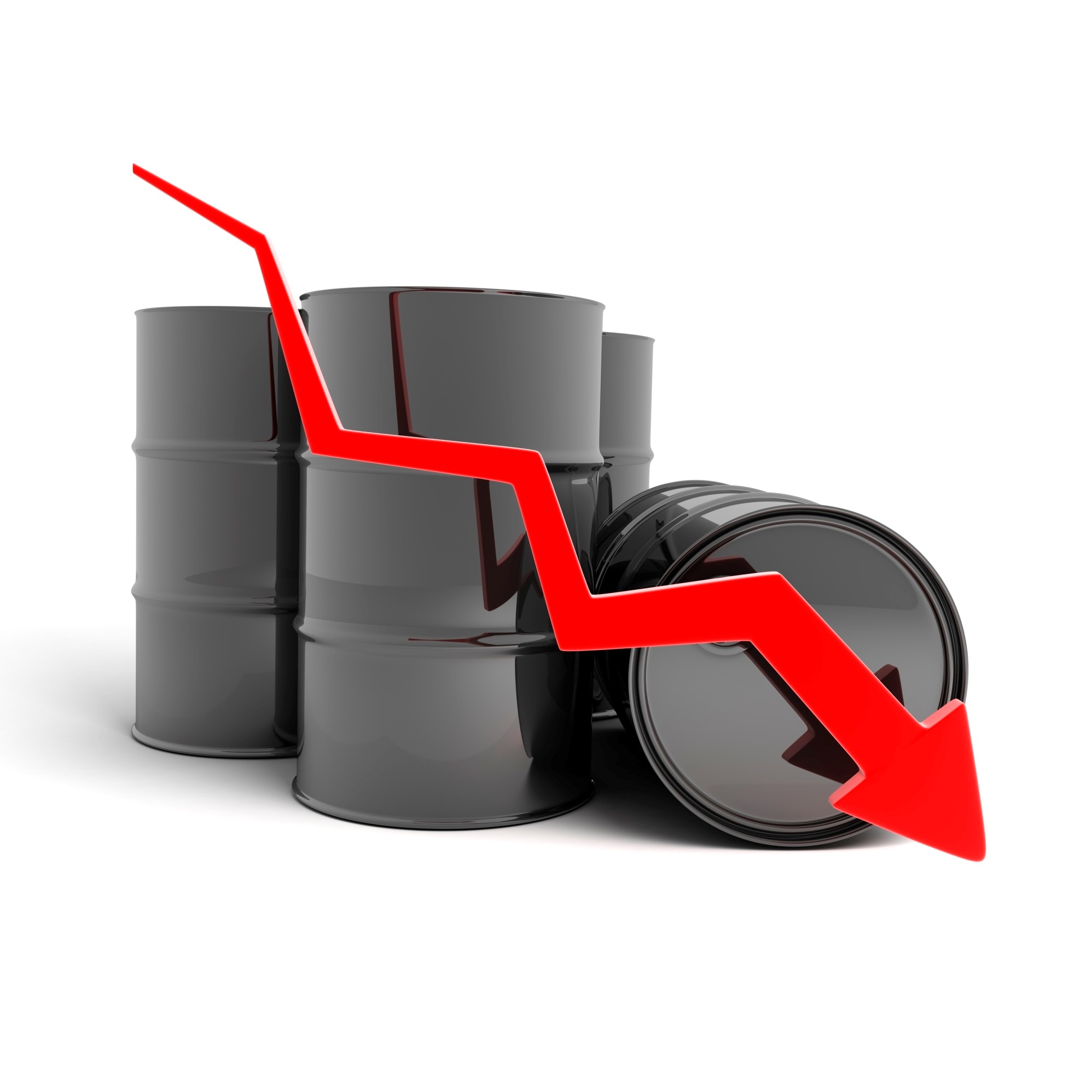
The issue, of course, is whether the bounce is just that or if it indicates a reversal in the fortunes of crude oil and is the first step in a climb back from the depths (below $38 a barrel) to around $60, where it sat for most of the first six months of this year.
The recent upturn has been attributed to at least three causes that we have seen. First, the larger-than-expected reading on U.S. GDP growth, as well as other positive signals on the strength of the economy. Second, a slowdown in exports from Nigeria. Third, a report that Venezuela is pushing for an emergency meeting of OPEC to adopt some response to the collapse in crude oil prices.
The one to focus on is the third. There is essentially no chance that OPEC will do as Venezuela has asked. Now that the cartel has adopted the market share over price strategy, it cannot change horses. If it were to cut production in an effort to lift prices, U.S. producers could and would move fast to fill the gap.
And the United States probably would have to battle Russia for the honor of making up any demand not covered if OPEC were to cut production. Some oil savants think that Russia could be persuaded to cut production as a gesture of solidarity or something. Far more likely is that Russia, with its long history of going after market share whenever possible, would try to increase production to make up a shortfall in supply.
ALSO READ: Analyst Says Do Not Wait for Oil Bottom, Buy Quality Large-Caps Now
One other factor to keep in mind is that China has been buying crude at these low prices as the country builds its strategic reserves. Now that the country has found other uses for its cash — providing liquidity to its equity markets, for example — it may decide to delay further purchases if the price increases too much. Even China does not have inexhaustible access to cash.
After touching an intra-day high of just over $45 a barrel, WTI traded at around $44.40 just before noon on Friday. That is still a gain of more than 4%, based on Thursday’s settlement price.












 Top Gaining Stocks
 Top Losing Stocks