



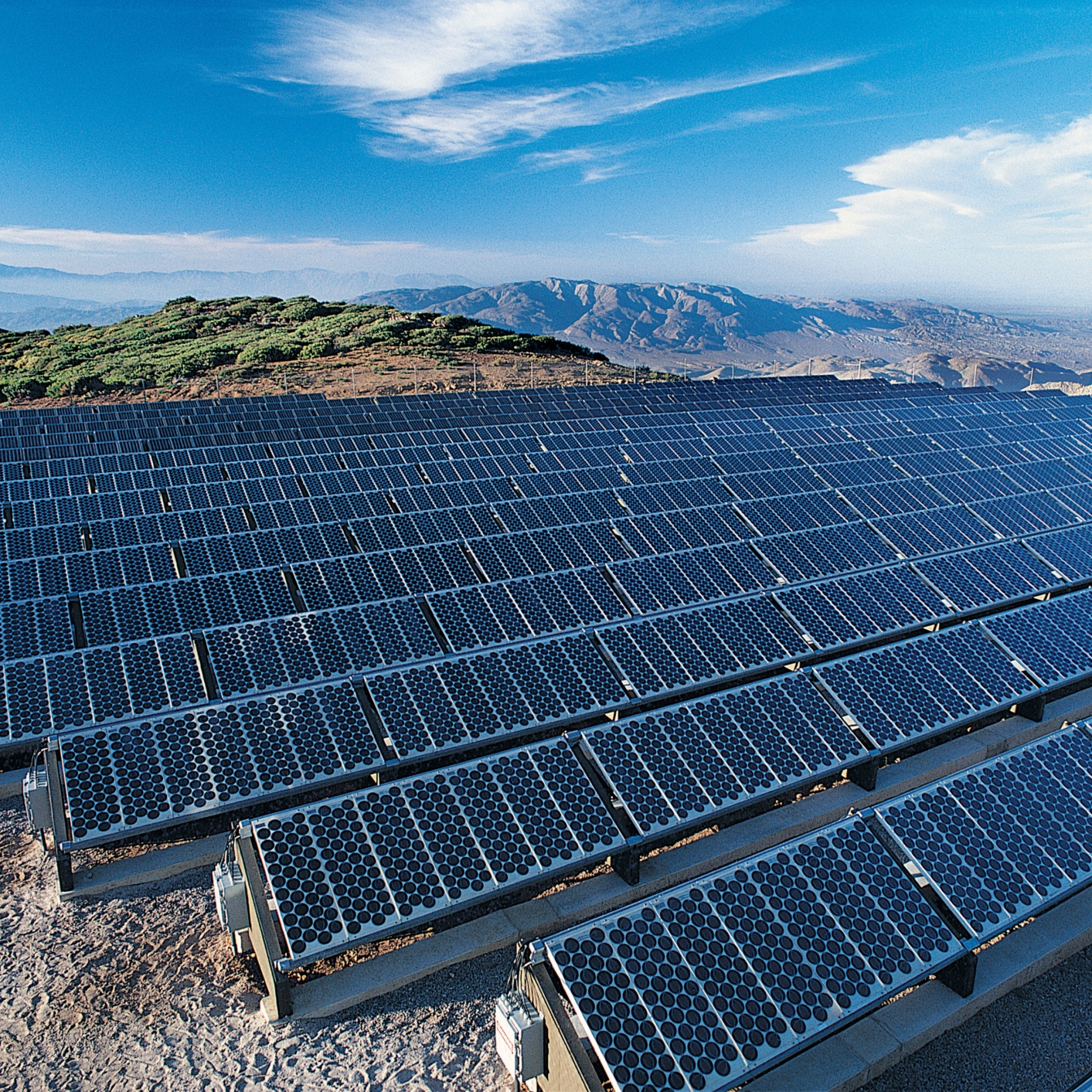
New solar photovoltaic (PV) projects installed in the United States during 2015 totaled 7,260 megawatts, up 16% compared with 2014 and 8.5 times the total installed in 2010. Total operating capacity in the country reached 25,600 megawatts from more than 900,000 individual projects.
Solar capacity growth accounted for nearly 30% of new U.S. electricity generating capacity in 2015, marking the first time that new solar capacity exceeded new natural gas generating capacity.
Residential solar installations accounted for nearly 2,100 megawatts of new generation in 2015, commercial capacity rose by about 1,000 megawatts and utility-scale capacity grew by 4,150 megawatts. The contracted pipeline of new utility-scale projects is currently more than 19,800 megawatts.
The final research report was released Wednesday by Greentech Media’s GTM Research division and the Solar Energy Industries Association (SEIA). A preliminary report was released in February.
[nativounit]
The top 10 states for new capacity installation in 2015 were as follows:
- California, 3,266 megawatts
- North Carolina, 1,134 megawatts
- Nevada, 307 megawatts
- Massachusetts, 286 megawatts
- New York, 241 megawatts
- Arizona, 234 megawatts
- Utah, 231 megawatts
- Georgia, 209 megawatts
- Texas, 207 megawatts
- New Jersey, 181 megawatts
Utah has moved from 30th place in 2013 to seventh, the best two-year improvement of any state, while Arizona has fallen from second place in 2013 to sixth.
Looking ahead to this year, the researchers are wary of changes to net metering programs, similar to the recently adopted changes in Nevada, that severely restrict incentives to install residential solar projects.
Growth has been stagnant in the commercial sector due to weak incentive funding or constrained development opportunities for projects larger than 1 megawatt. The researchers say that a rebound in 2016 is supported by a “triple-digit-megawatt pipeline of community solar projects, plus continued dependence on California to support nearly one-third of annual demand.”
Utility-scale projects provided 57% of the new installed capacity in 2015, and the segment is expected to triple installations in 2016. The report noted:
With PPA [power-purchase agreement] prices for utility-scale solar already ranging between $35/MWh [megawatt-hour] and $60/MWh, utility PV’s value proposition is evolving beyond simply meeting renewable portfolio standard (RPS) obligations. On top of RPS-driven demand, centralized PV is proving to be an economically competitive resource to meet utilities’ peak power needs. This is especially true in regions like Texas and the Southeast, where utilities are retiring their aging coal fleets and replacing them with utility PV, alongside combined-cycle natural gas plants.







 Top Gaining Stocks
 Top Losing Stocks