


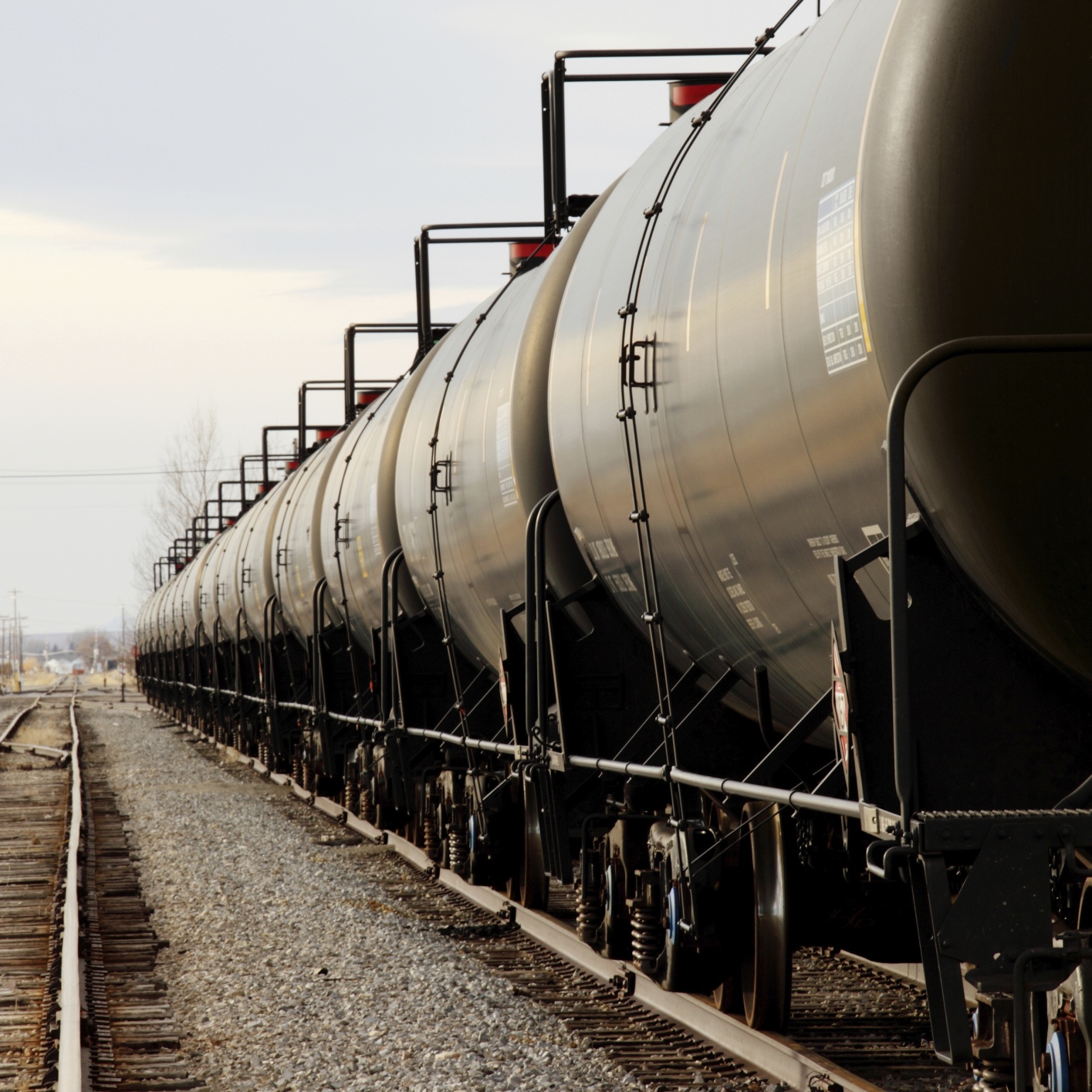
Since bottoming on February 11 at $26.05, West Texas Intermediate crude oil has rallied close to 50%, reaching a high of $38.96. Normally a 50% rally would mean something fundamental has changed in any given market. But this 50% rally in oil has been met with broad skepticism, flooded with analyst warnings that it won’t last.
One can see a skeptic’s point. Not much has changed fundamentally at all. The main reason for the oil collapse since the end of 2014 has been the spike in crude production in the United States, exacerbated by OPEC’s, and particularly Saudi Arabia’s, will to crush nascent high-cost competitors by flooding the market and pricing them out. Regardless of any rumors of imminent meetings between OPEC countries and others about cutting production, news of which is reported almost weekly now, the oil price war will continue until one side goes bankrupt.
Either it will be Saudi Arabia, OPEC and its allies, or it will be the majority of the new U.S. shale oil industry. There is very little chance OPEC will cut production before they have bankrupted a large portion of their new competitors. In terms of hard production numbers, Saudi Arabia is winning, as it should, given it is the lower cost producer.
Since peaking at 9.61 million barrels per day in the first week of June, 2015, U.S. oil production has declined 5.6% to 9.08 million barrels per day. While that is a noticeable decline, it is nowhere near the numbers that OPEC is shooting for at its own cost of wide and painful budget deficits. They are going to want to see production collapse closer to the pre-shale revolution era of around 5 million barrels a day, last seen in 2011, or at least closer to it than we are now. A 5.6% decline is not enough.
So given that the fundamentals have not changed, why the 50% rally? It can be chalked up to simple volatility, with speculators trying to get in on both sides of the trade, but it could also be something else. It could be a weakening U.S. dollar.
[recirclink id=319377]
The common perception of the U.S. dollar is that it is a pure fiat currency, unbacked by any commodity. But in reality, the dollar is actually backed by oil because it is the only currency with which one can buy oil internationally, thanks to a 1971 deal between the United States and Saudi Arabia, around the same time that the United States finally went off the last vestiges of the gold standard. While the relationship goes both ways in terms of who leads the dance, falling oil will generally mean a rising dollar, and a falling dollar will generally mean rising oil.
Federal Reserve Vice Chairman Stanley Fischer noted on March 7 that the United States is finally seeing the “first stirrings” of price inflation, the practical effects of a weakening dollar. If the fundamentals of the oil market remain the same, then there are two possibilities regarding the nearly 50% rally in crude since February 11. Either it really is simple market volatility aggravated by speculators destined to reverse soon, or it is an indication that the U.S. dollar is indeed weakening.
Judging by the rise in price inflation since February, evidence points toward the latter, but as usual, only time will tell.






 Top Gaining Stocks
 Top Losing Stocks