


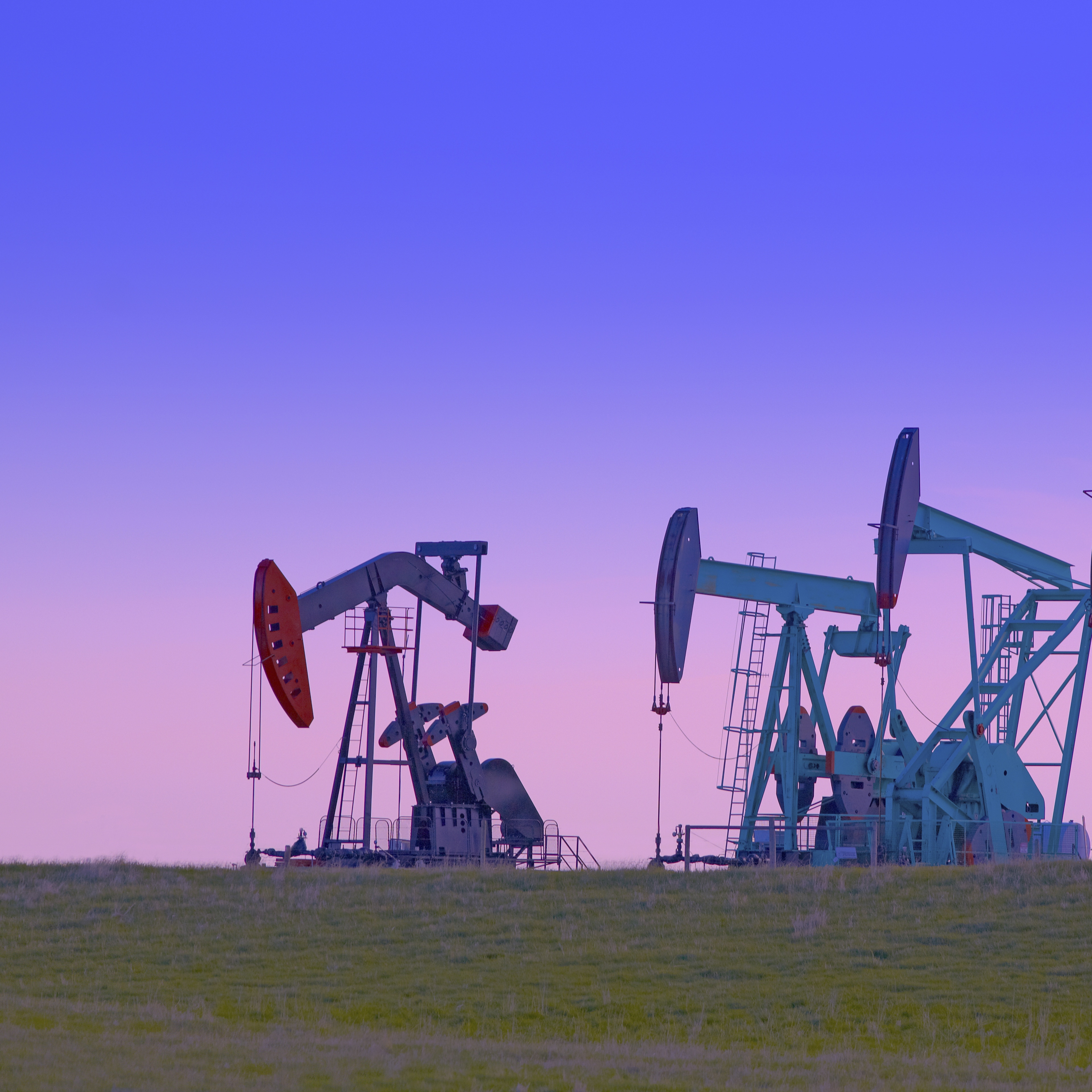
The United States can now claim to have the largest total recoverable oil reserves in the world, with an estimated 264 billion recoverable barrels, compared with 256 billion barrels for Russia and 212 billion barrels for Saudi Arabia.
The data were published July 4 by Rystad Energy and include proved and probable reserves, discoveries and undiscovered fields. Proved reserves are those that can be produced with reasonable certainty (90% is the usual yardstick) with current technology and at current prices. Probable reserves have about 50% certainty of being produced under the same limitations. Discoveries are new fields that haven’t yet been sized and undiscovered fields are places where nothing has been found yet but where recoverable amounts are likely to exist.
What gives the United States its edge is shale oil. According to Rystad Energy, more than half of U.S. remaining reserves is unconventional shale oil. The researchers’ data show that Texas alone holds more than 60 billion barrels of recoverable shale oil. Globally, unconventional oil accounts for about 30% of recoverable reserves and offshore oil accounts for a third of the total.
[nativounit]
Rystad also estimates total global remaining recoverable oil at 2.1 trillion barrels, nearly 25% higher than the total 1.7 trillion barrels reported in this year’s BP Statistical Review. BP reports government-supplied data on proved reserves, but how those numbers are derived in each country is different. Saudi Arabia, for instance, has reported proved reserves of around 260 billion barrels for decades.
Global production currently runs at around 30 billion barrels of crude per year. At that rate, the 2.1 trillion global barrels will last another 71 years. Rystad researchers noted that since humans began producing and using oil, about 1.3 trillion barrels had been consumed through the end of 2015.
This is unlikely to be the last word on this subject. Russia, Saudi Arabia, Venezuela, Canada and a host of other countries are typically listed considerably higher than the United States in the reserves rankings, and those rankings are unlikely to be dislodged. The important takeaway from the Rystad rankings is that U.S. onshore reserves are probably larger than believed.
[wallst_email_signup]







 Top Gaining Stocks
 Top Losing Stocks