


[cnxvideo id=”655420″ placement=”ros”]The whole idea behind the crude oil production cuts initiated by the Organization of the Petroleum Exporting Countries (OPEC) and its 11 non-member partners, including Russia, was to slice 1.8 million barrels a day from production levels, thereby drawing down global commercial inventories and driving crude prices higher. The agreement was to run for the first six months of 2017, with a possible extension for the second half of the year.
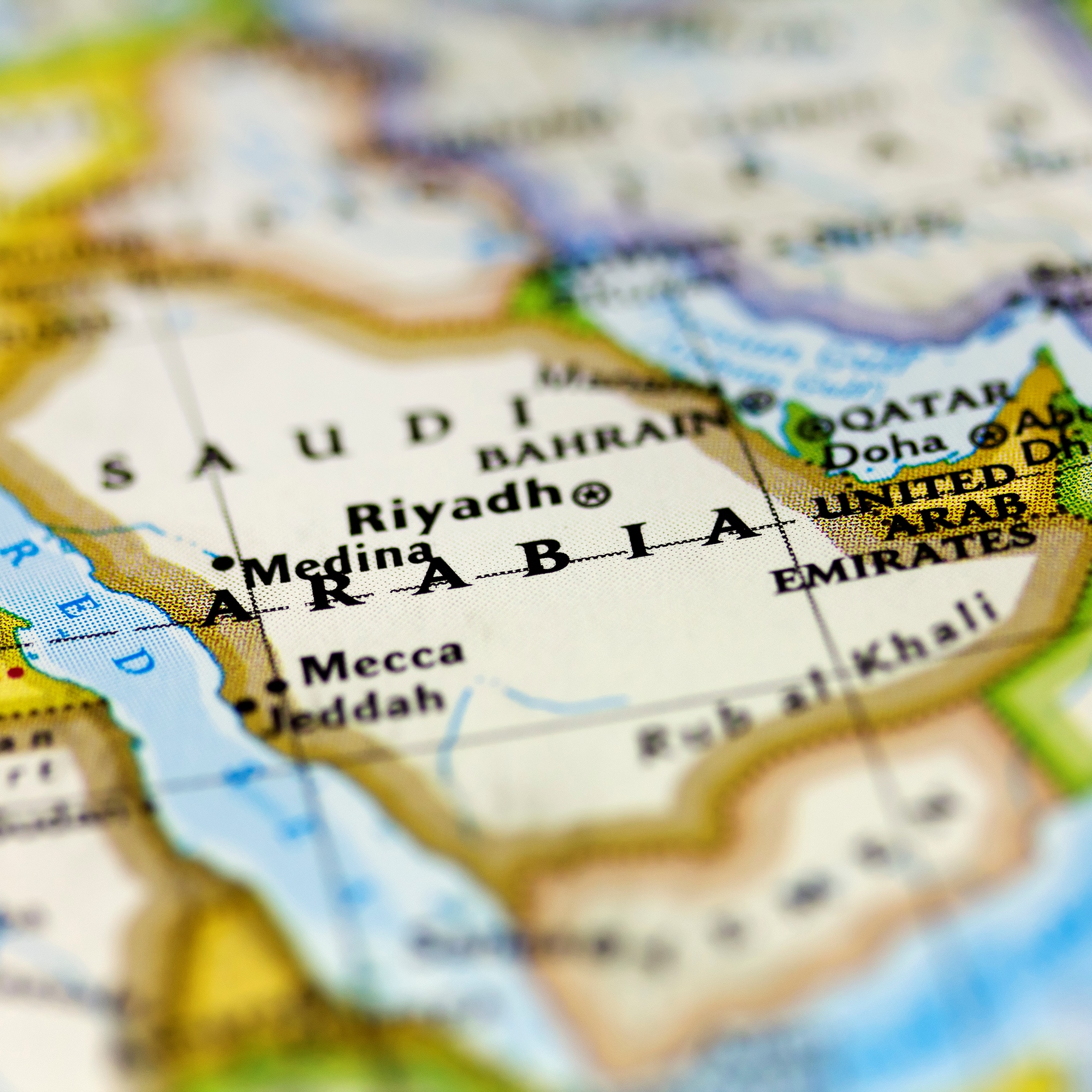
Now Saudi Arabia and Russia have suggested that the cuts may have to go on through the first quarter of 2018. The report is sending crude prices up by as much as 3% Monday morning. The two countries plan to present their position to the other producing nations at the May 25 OPEC meeting in Vienna.
Saudi oil minister Khalid al-Falih said:
The agreement needs to be extended as we will not reach the desired inventory level by end of June. Therefore we came to the conclusion that ending will probably be better by the end of first quarter 2018.
[nativounit]
With both Saudi Arabia and Russia, the world’s two largest producers, behind an extension, the prolonged cuts appear to be a done deal, even before the May 25 meeting.
Merely extending the cuts may not be enough, however. OPEC now produces about 31.9 million barrels of oil a day. At that rate, according to a report at Bloomberg, by the end of this year, lower crude production will remove about 120 million barrels from global stockpiles. At the beginning of 2017, those stockpiles totaled 276 million barrels. Even extending the cuts into the first quarter of next year may not be enough to rebalance supply and demand.
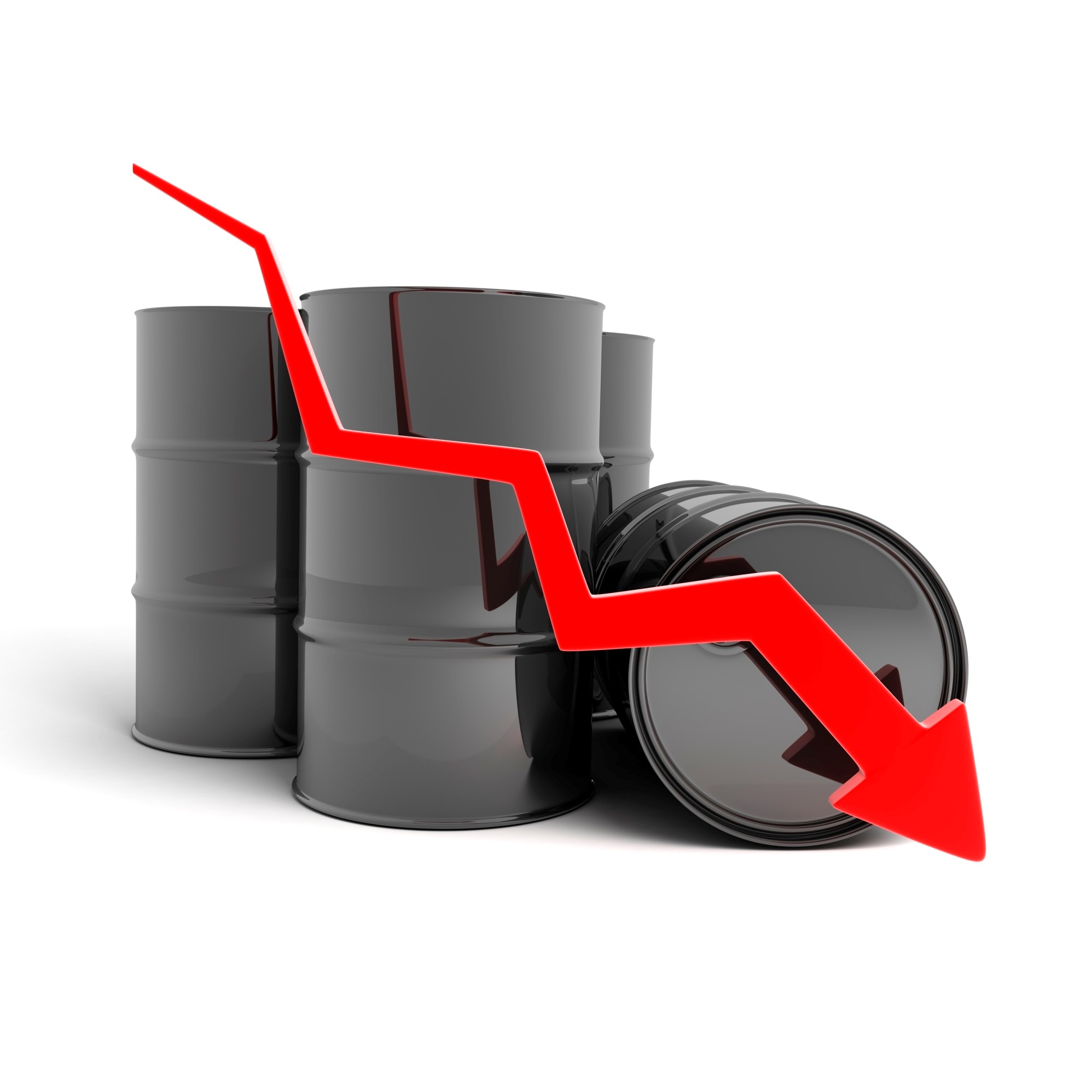
Benchmark West Texas Intermediate crude oil for June delivery traded up nearly 3% this morning to $49.25, while Brent crude for July delivery traded up 2.9% at $52.32. The original goal of the OPEC-led cuts was to raise prices to around $60, but the reality is that $55 Brent may be the best that the cartel and its customers can do. It’s better than nothing, but not what was hoped for.
[wallst_email_signup]








 Top Gaining Stocks
 Top Losing Stocks