



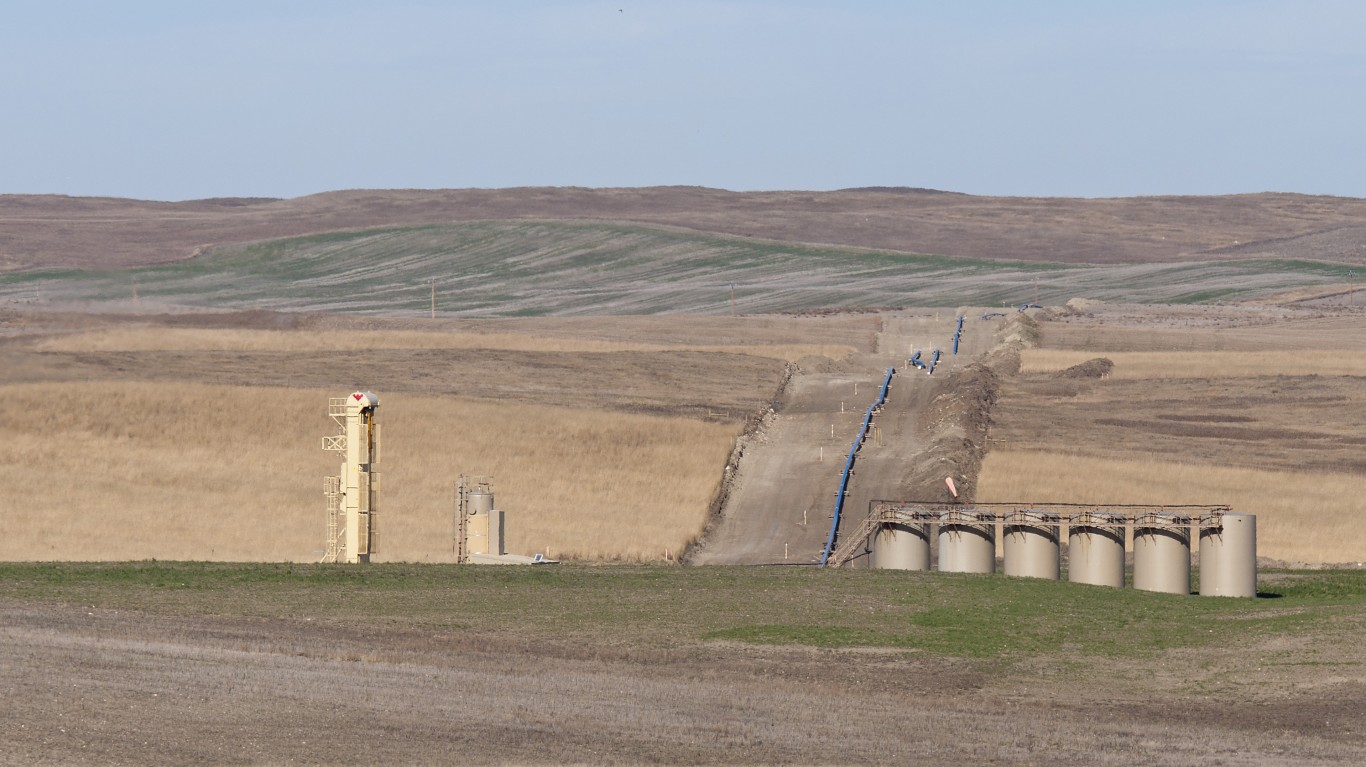
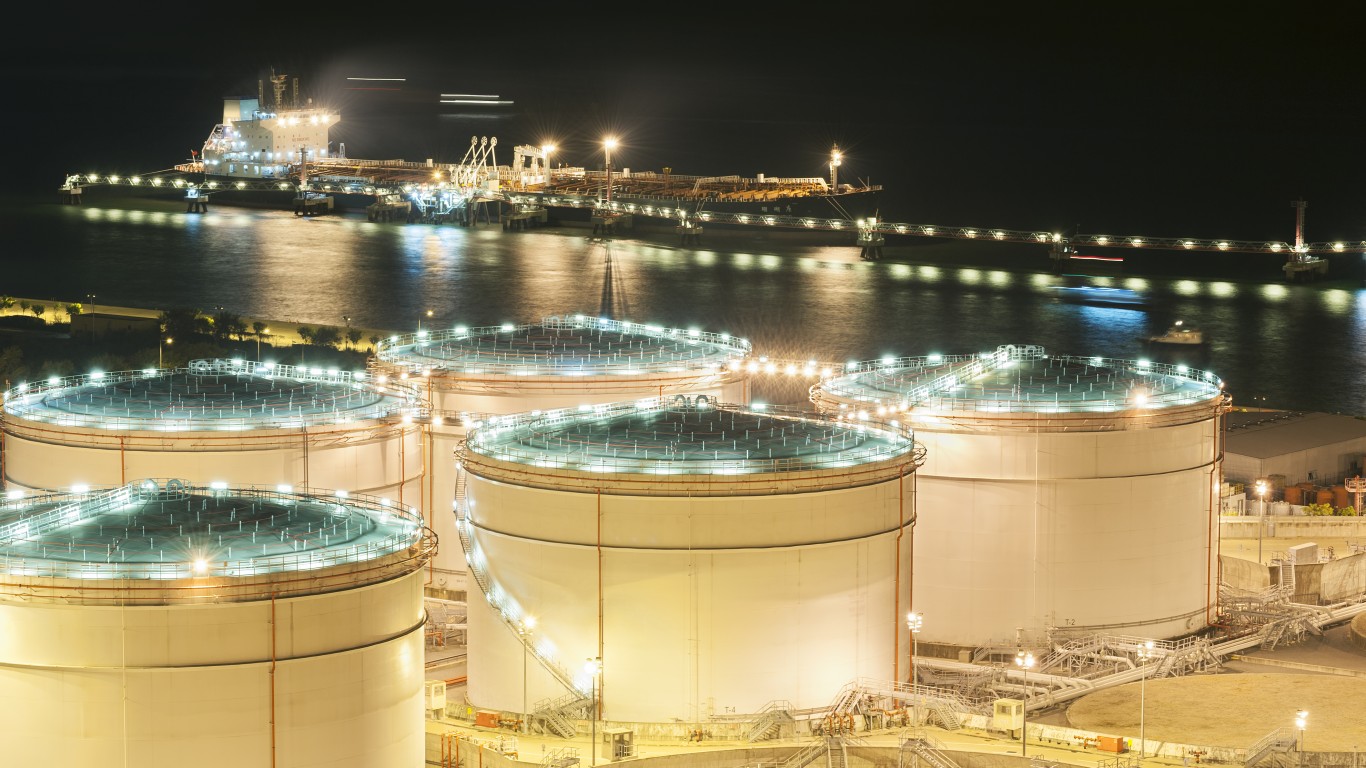
The U.S. subsidiary of BP plc (NYSE: BP) said on Tuesday that the company is considering a plan to create and spin-off a master limited partnership (MLP) of its U.S. midstream operations. The initial assets being considered for the spin-off include the company’s pipelines for transporting crude oil, refined products, and natural gas in the Midwest and on the Gulf Coast. BP expects to make a decision by the end of this year.
According to BP’s U.S. website, the company owns about 3,500 miles of pipeline and transports more than 1.3 million barrels a day of petroleum and natural gas. That’s a pretty small total when compared with the 50,000 pipeline miles of Enterprise Products Partners and the 84,000 pipeline miles claimed by Kinder Morgan.
But what a spin-off would do is generate some sorely needed cash for BP. At the end of the first quarter the company reported cash and equivalents of $23.8 billion, a sizable war chest, to be sure. Operating cash flow of $4.4 billion did not include amounts related to the 2010 Gulf of Mexico oil spill. Including that, operating cash flow totaled $2.1 billion.
[nativounit]
BP plans to spend $15 to $17 on capital projects this year and expects to divest $4.5 to $5.5 billion in assets. BP also expects to pay $4.5 to $5.5 billion for the 2010 oil spill this year.
First-quarter divestments totaled just $300 million from a single sale of a North Sea pipeline, so the company needs to pick up the pace. And selling midstream assets has not been easy. BP failed to reach a deal with Enbridge last year for a portion of BP’s Gulf of Mexico offshore system.
If BP does spin off its U.S. pipelines, the British firm would be the spin-off’s general partner, own 100% of the incentive distribution rights, and own a majority of the limited partnership units of the new company. Currently the company does not separately report midstream activity, so its not possible to make a guess as to what the pipeline company may be valued at.
One thing is certain though: it’s been a tough year so far for pipeline operators. The Alerian MLP Index is down about 4% for the year to date, compared to a gain of nearly 10% in the S&P 500.
[wallst_email_signup]









 Top Gaining Stocks
 Top Losing Stocks